There is no single Bodrum. There is the white town gathered around the castle, the polished west, the working east, the half-hidden south coast and an inland life that the sea-facing postcard routinely edits out. A useful guide begins by accepting that contradiction.
Do not collect Bodrum. Choose a rhythm, then let the peninsula reveal which version of itself you have entered.
Begin in town — but do not mistake it for the whole peninsula
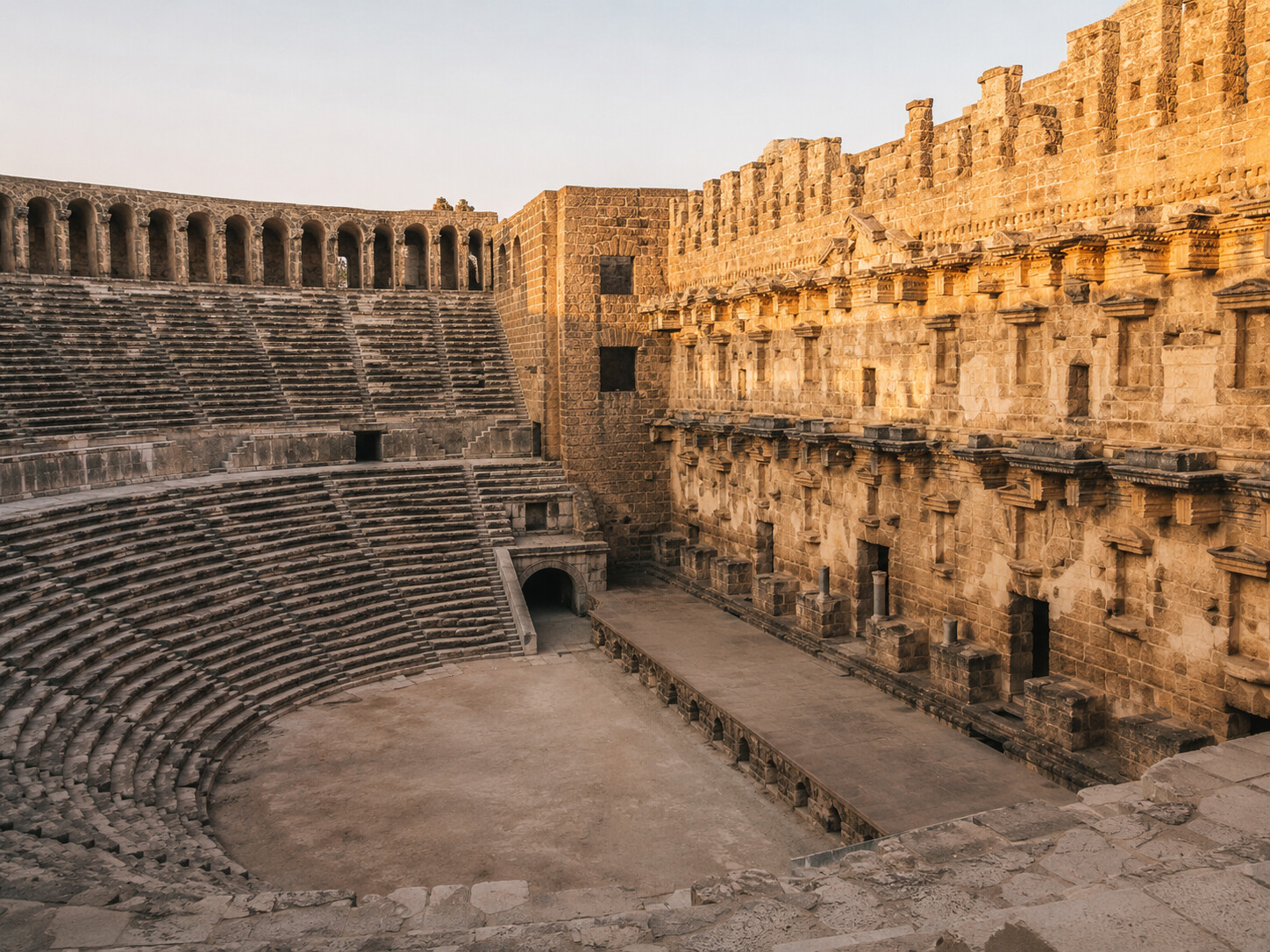
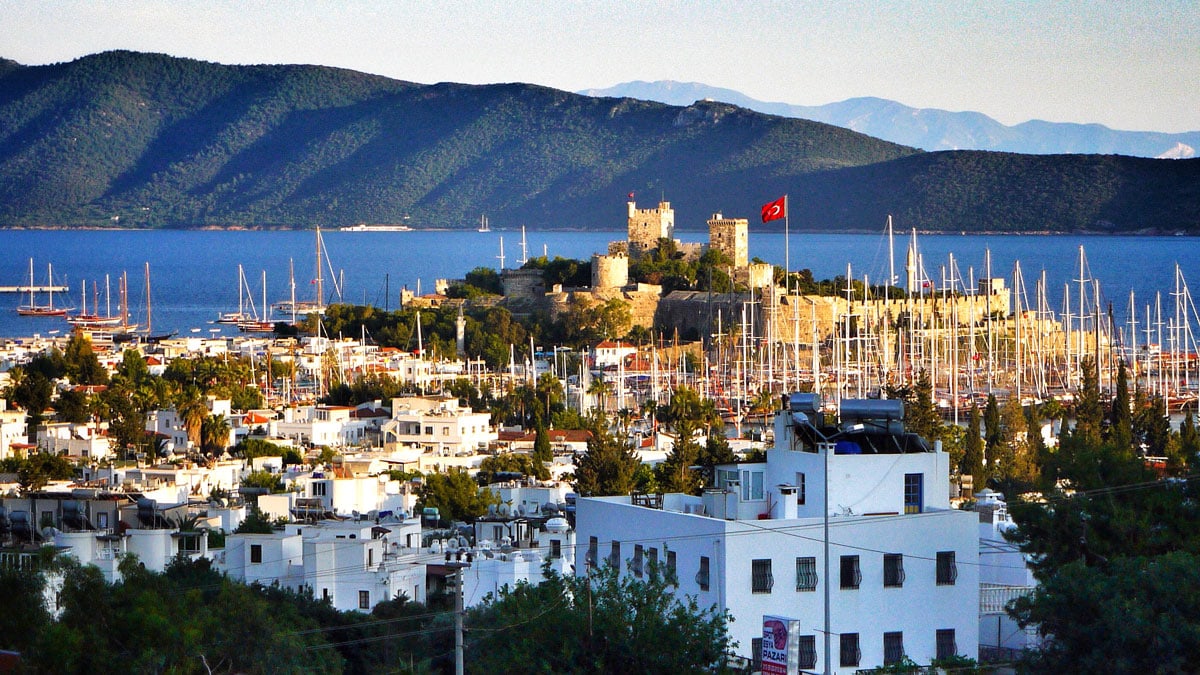
Bodrum town gives the first orientation: the castle between two harbours, streets climbing behind the waterfront, the ancient theatre above the modern traffic and the former home of Zeki Müren holding an entirely different idea of glamour. Walk early, before heat and deliveries compress the centre into one narrow lane.
Read the peninsula before choosing a base
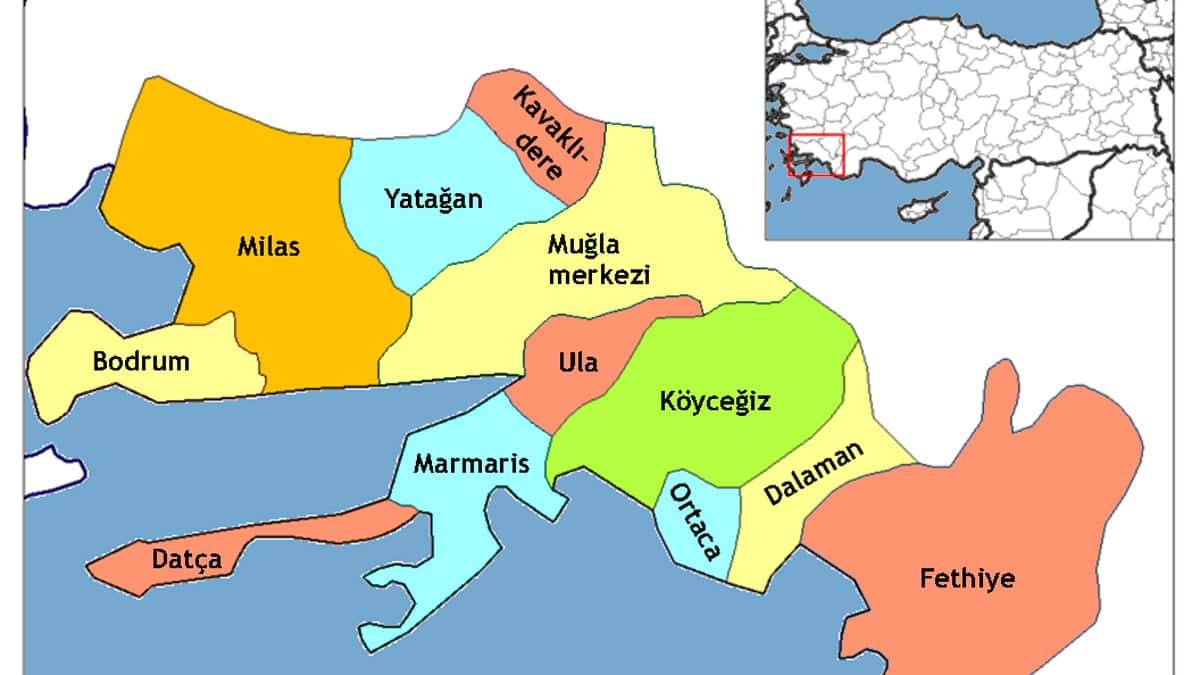
A hotel can look close to Bodrum on a booking screen and still place you on the other side of a long summer drive. The centre, Gümüşlük, Yalıkavak, Türkbükü, Güvercinlik and Mazı behave like separate destinations. Pick the coast you want to wake up on, then treat the rest as deliberate day routes.
Mazı: the coast after the checklist
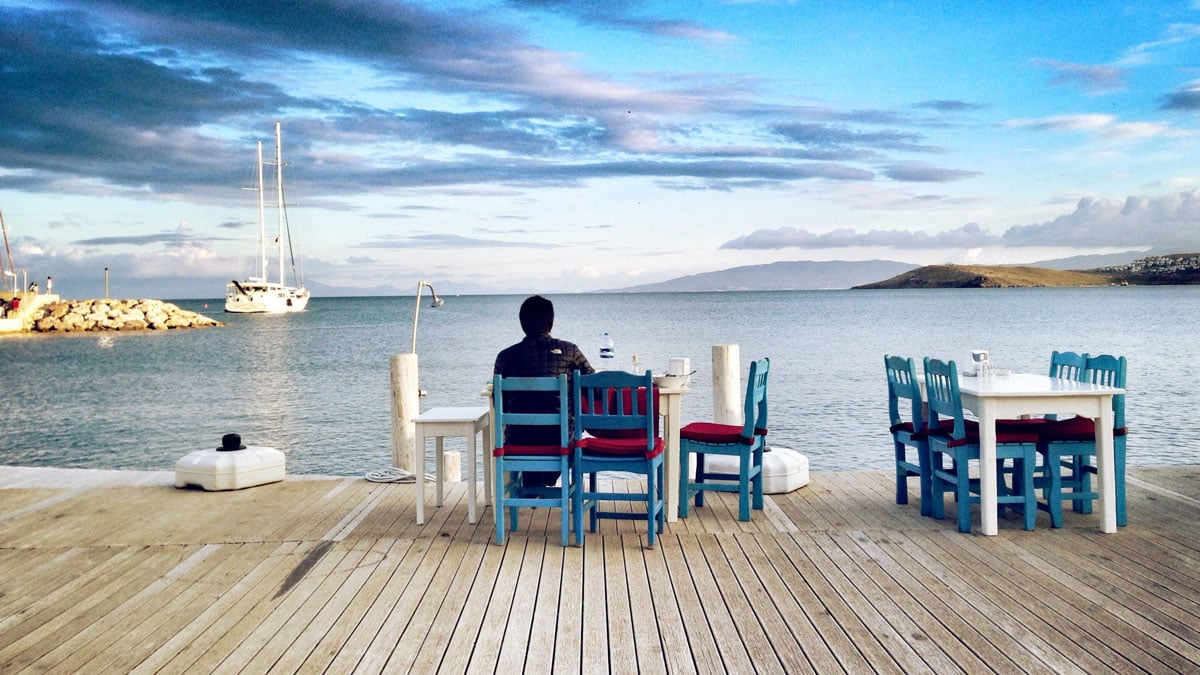
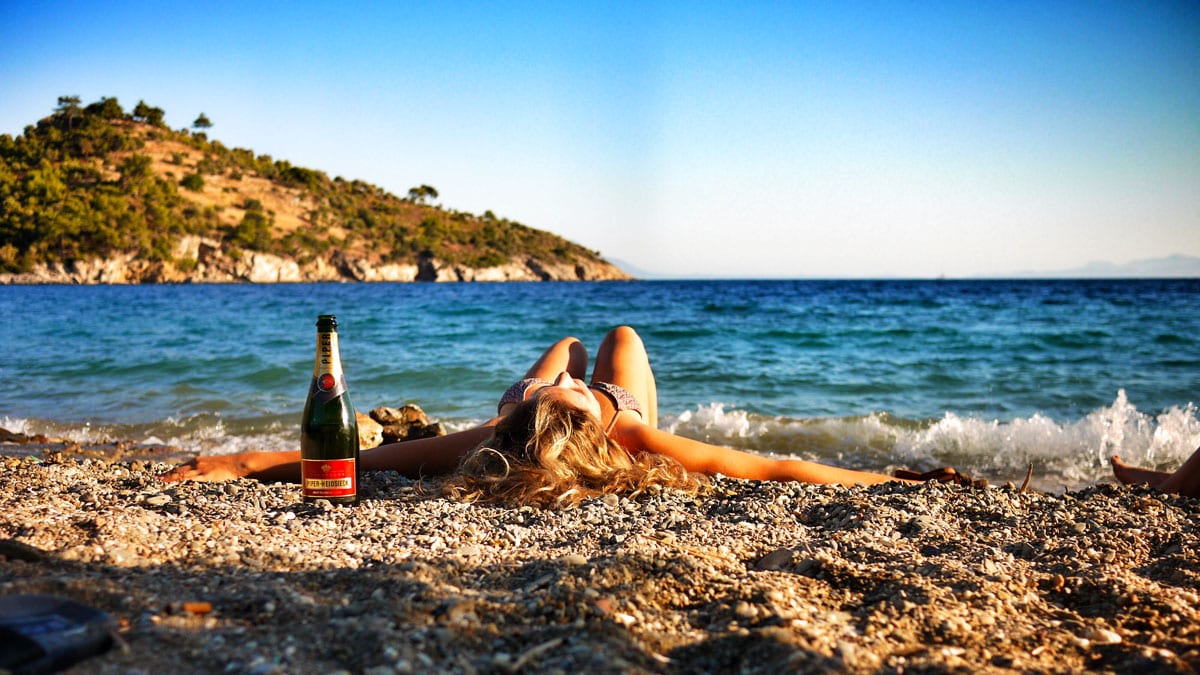
Mazı is the useful correction to the idea that every Bodrum shore must perform. The road folds toward small bays, family-run tables and water that asks for a full day rather than a quick stop. Come for swimming, stay long enough for lunch to become dinner, and leave the portable soundtrack at home.
Gümüşlük and the art of staying late
Gümüşlük is at its best when the famous sunset is treated as a beginning, not the entire reason to arrive. Walk beyond the first waterfront tables, look for the traces of ancient Myndos in the shallows, and let the village move from blue light into dinner without changing pace.
Karakaya: when the view had to be earned
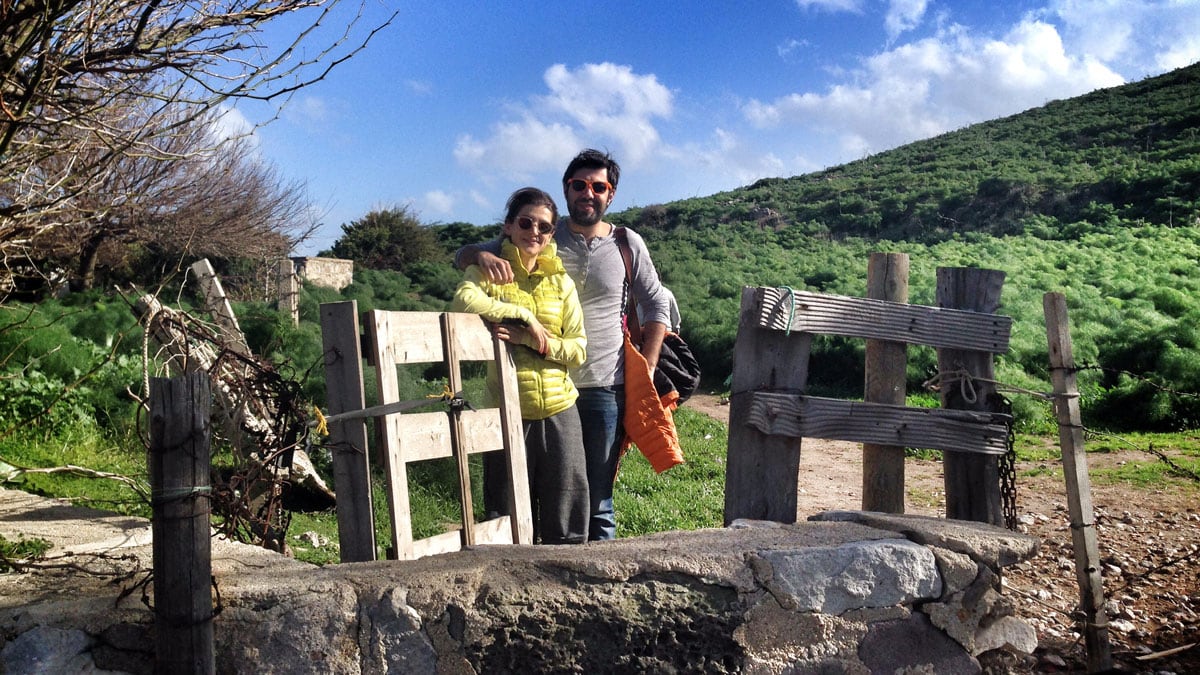
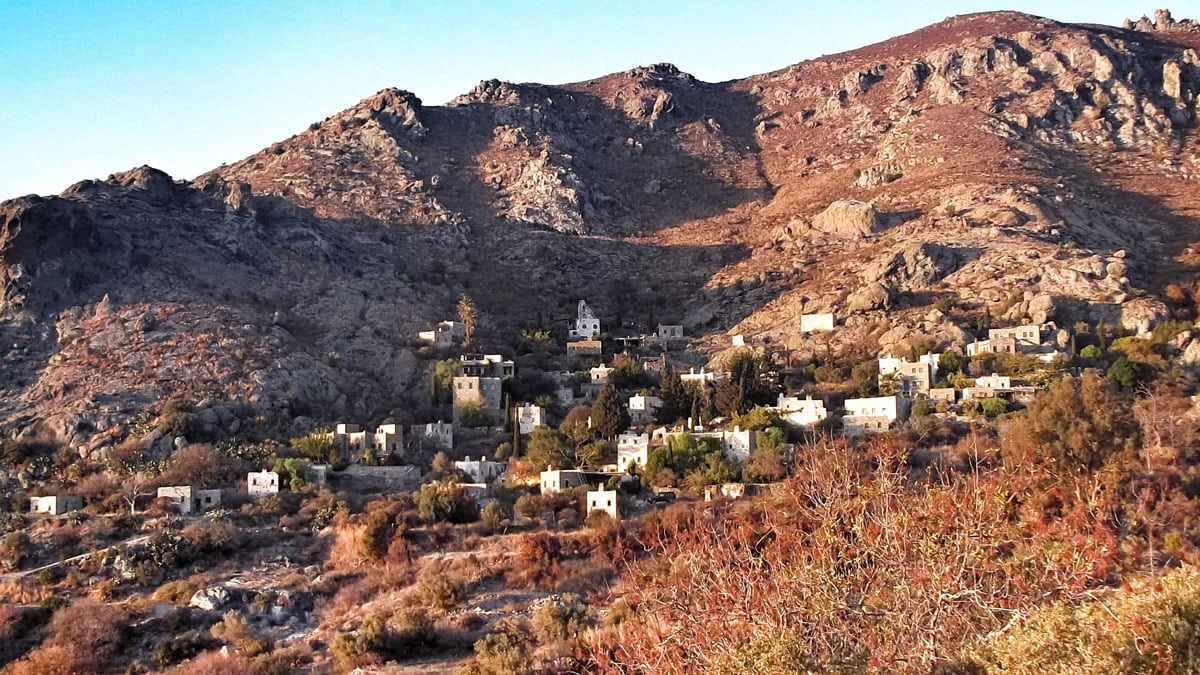
The abandoned stone village above Gümüşlük tells the inland history of a coast built to watch the sea without being exposed to it. Houses sit against the slope, oriented by wind, security and scarce water. Go softly: this is not a ruin staged for visitors, and every wall is more fragile than it looks.
Mumcular and Etrim: the peninsula’s inland memory
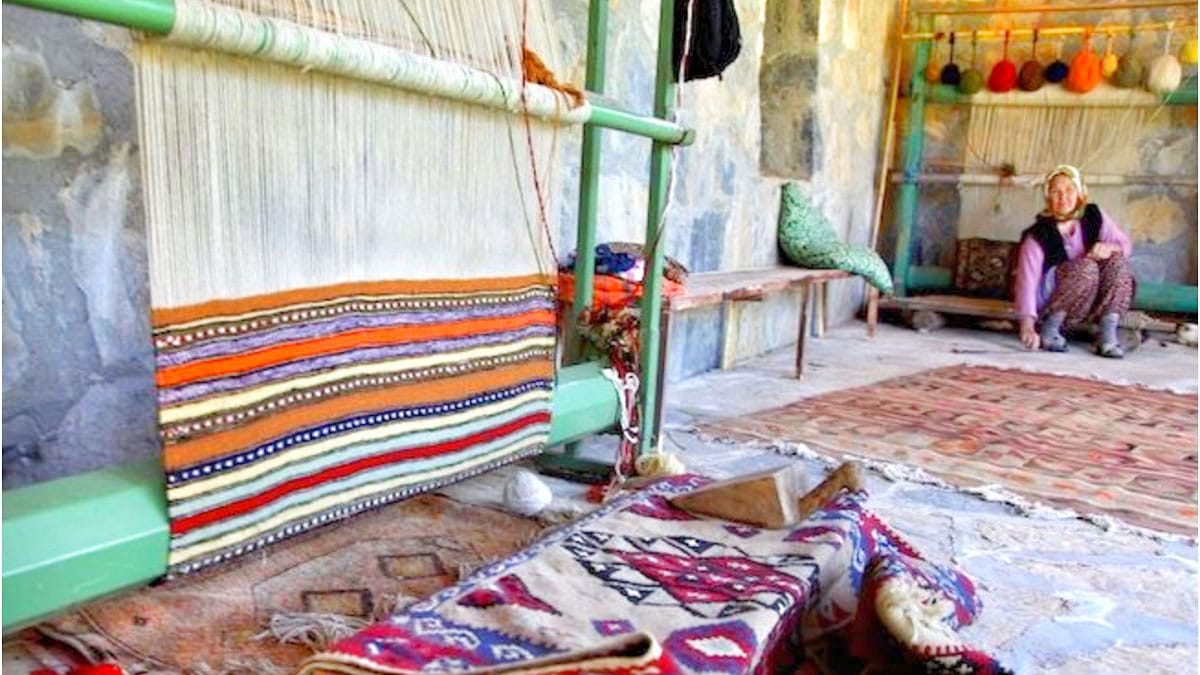
Turn away from the coast and Bodrum changes material. Around Mumcular and Etrim, weaving, village rooms, fields and long family histories replace the marina vocabulary. A carpet is not a souvenir detached from place; it is wool, dye, time, domestic knowledge and an economy held together knot by knot.
The mandarin garden is not a theme
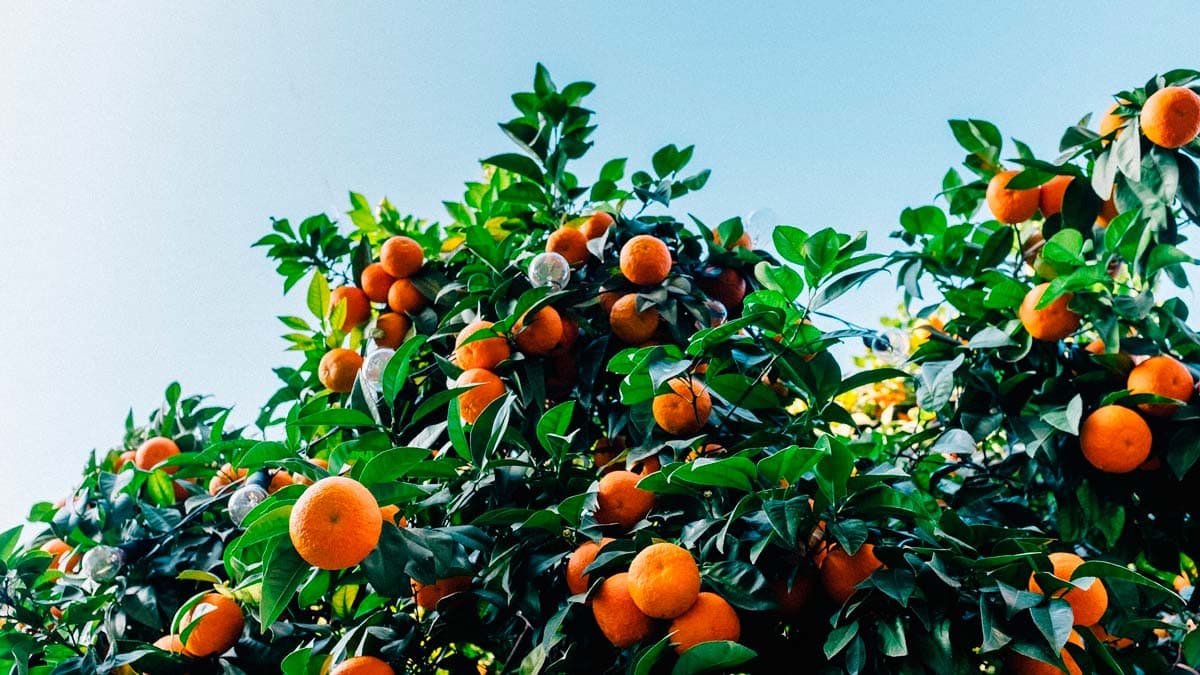
Before villas and summer traffic, Bodrum’s mandarins gave the peninsula a winter scent and an agricultural rhythm. The remaining gardens are not nostalgic decoration. They are living evidence of soil, water and patient seasonal work—best encountered through local producers, breakfast tables and the sharp perfume released when a leaf is rubbed between two fingers.
A table worth changing the route for
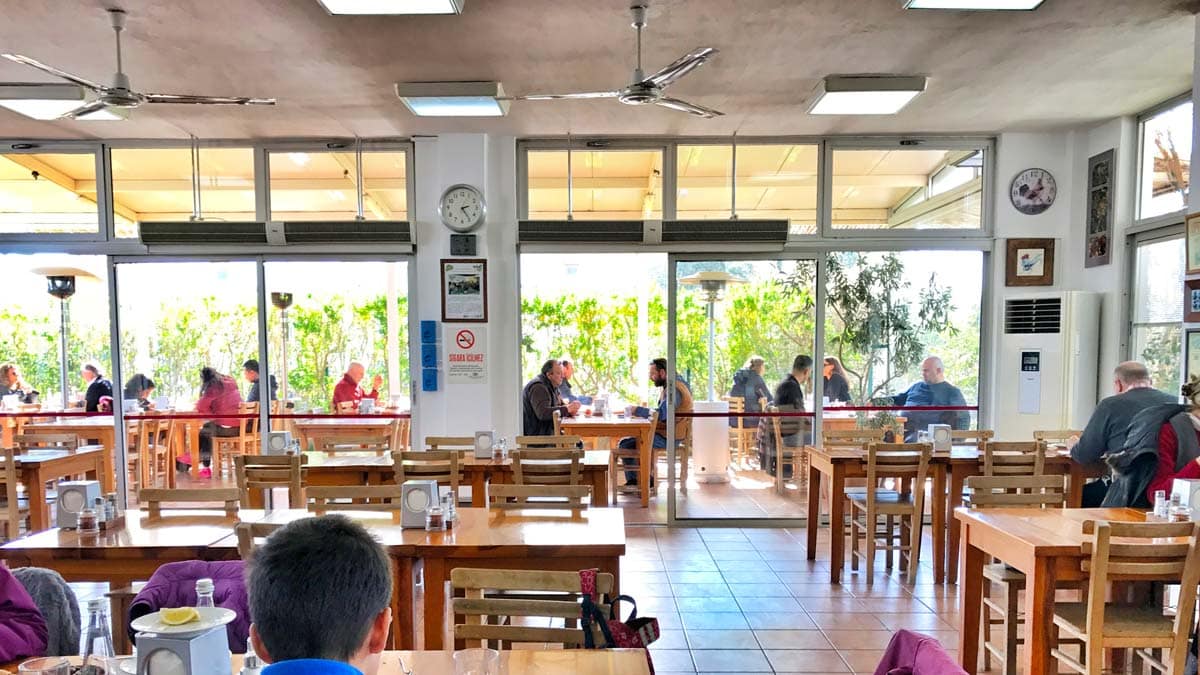
The strongest meals on the peninsula often begin with the day’s actual conditions rather than a concept: which greens arrived, which fish was landed, what spent the morning in olive oil and what came out of the oven before noon. Follow places that cook consistently for their neighbours; book the famous view only when the kitchen deserves the same attention.
Take the water seriously
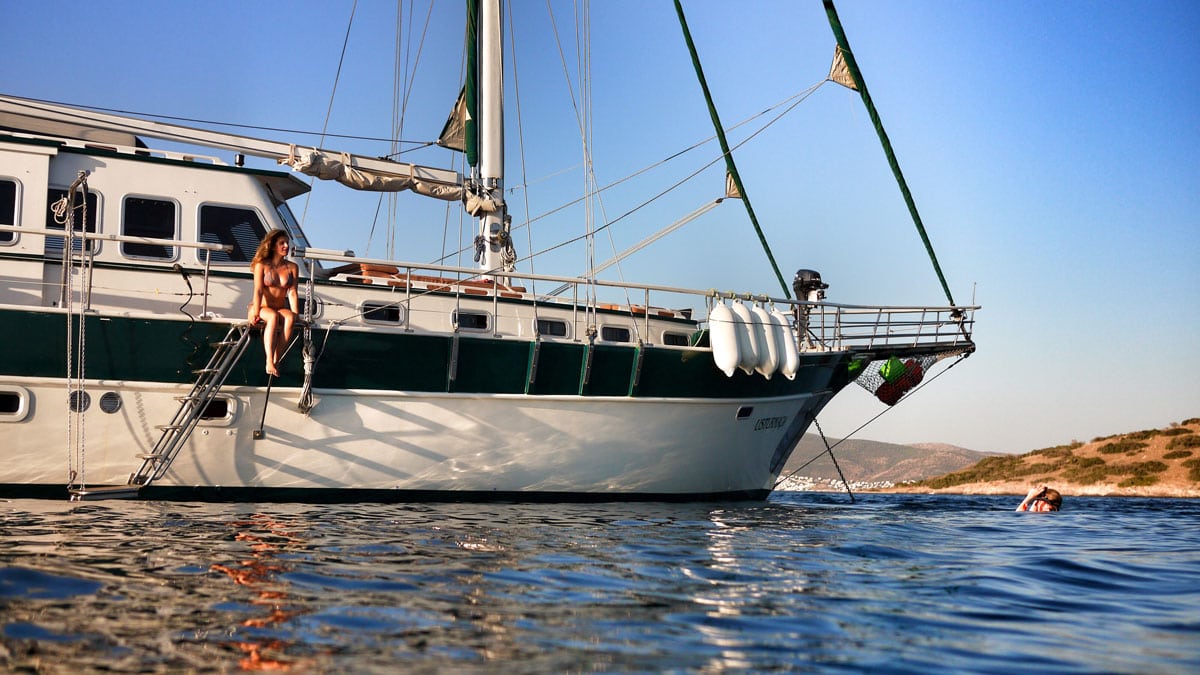
A gulet day is not merely transport between swimming stops. From the water, the peninsula’s geography finally makes sense: inaccessible coves, steep dry hills and villages positioned by shelter rather than distance. Choose a small boat, ask where lunch comes from, avoid routes that crowd the same bay and leave nothing behind—not even a cigarette end.
The right rhythm
Mid-May through June and September offer warm water with more room to breathe; spring is greener and winter returns the centre to its residents. In high season, keep one part of each day unplanned, travel early or late, and expect the peninsula’s short distances to take longer than the map suggests. A car is useful, but the best day may still be the one when it does not move.
Respect village life, archaeological remains and private land. Confirm seasonal opening before crossing the peninsula for a restaurant or activity, and treat every local recommendation as a conversation rather than a command.