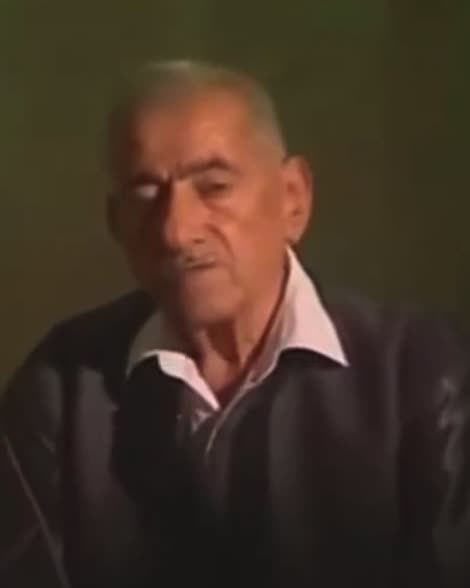
In Urfa, you could take a broken coffee pot to one of the finest singers in the city. Bedih Yoluk mended teapots and long-handled cezves in a small shop near the old produce market. His trade gave him the name on his recordings. A kazan is a cauldron, and Kazancı Bedih was Bedih the coppersmith. His neighbours also knew him as a gazelhan, a singer who could take a poem in couplets and shape its melody as he sang. His own master, Tenekeci Mahmut, was a tinsmith.
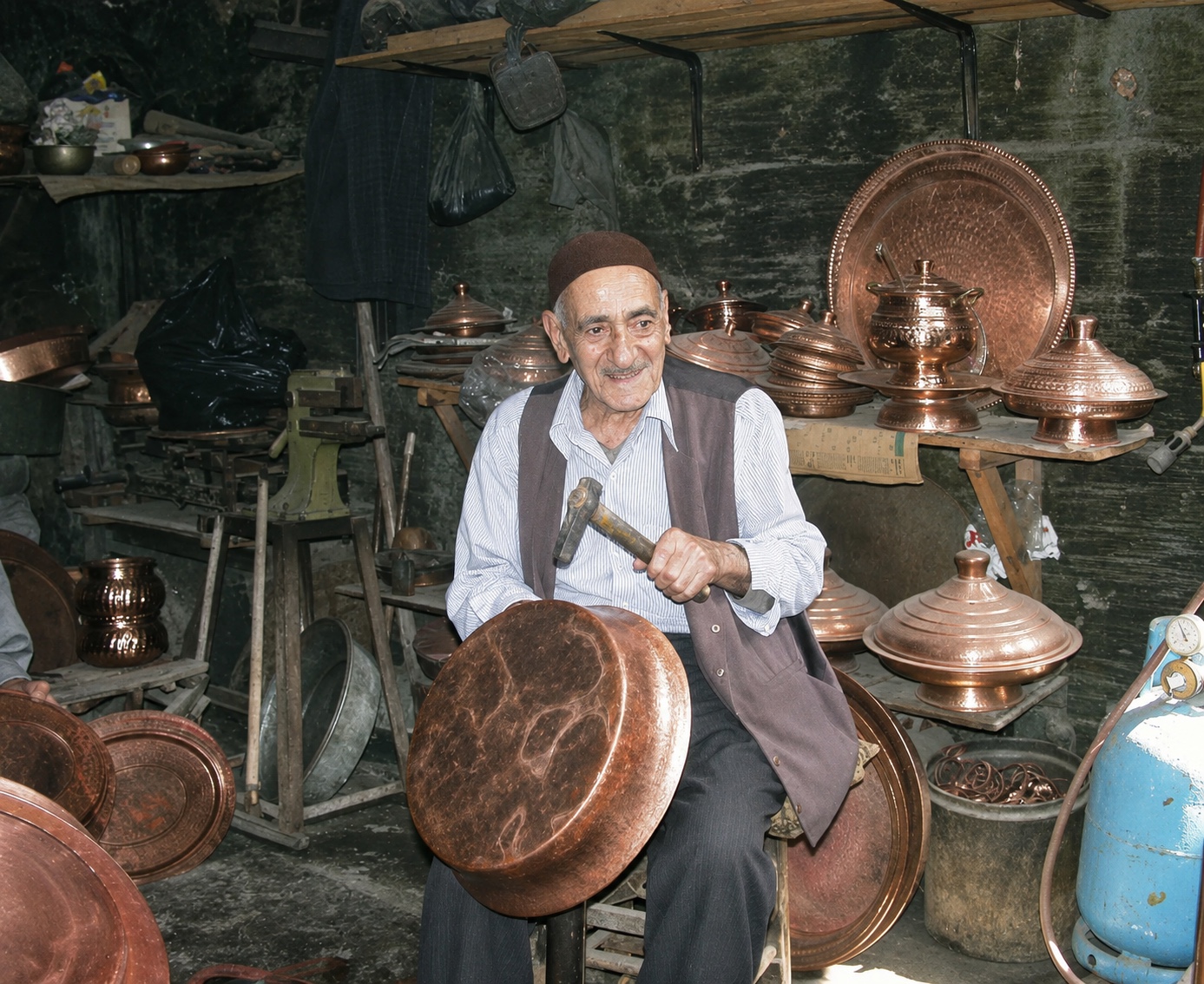
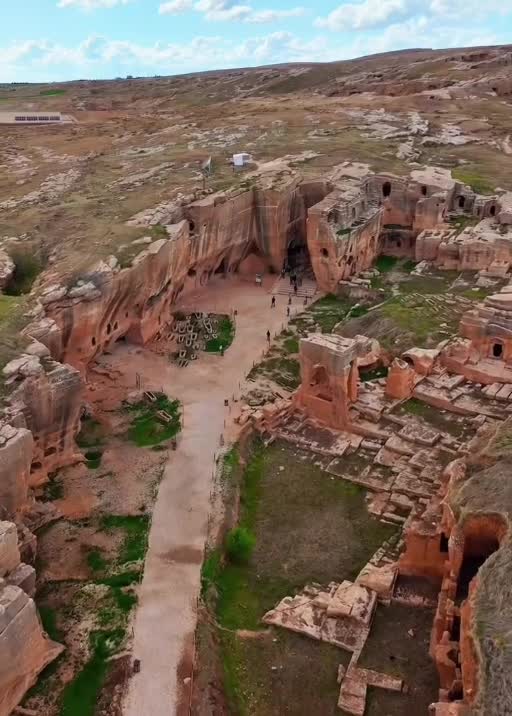
Bedih was born in 1929 in Hekimdede, a neighbourhood of Şanlıurfa in southeastern Türkiye. The account of his family passed on to BeingTurkish traces its roots to the Şatıroğlu branch of the Avşar Turkmen, the same line as the folk poet Âşık Veysel Şatıroğlu. The neighbourhood took its name from Hekim Dede. His lodge once stood here, and his name lived on in the devotional verses of Urfa’s Alevis.
Alevi Turkmen families once lived in the centres of both Urfa and Diyarbakır. What survives of that history can be hard to see from the street. The account we received remembers a handful of households and a few villages, and families who kept their Alevi identity private under pressure to adopt Sunni practice. In Kısas, just outside Urfa, you can still hear deyiş, devotional poems sung to the accompaniment of the bağlama.
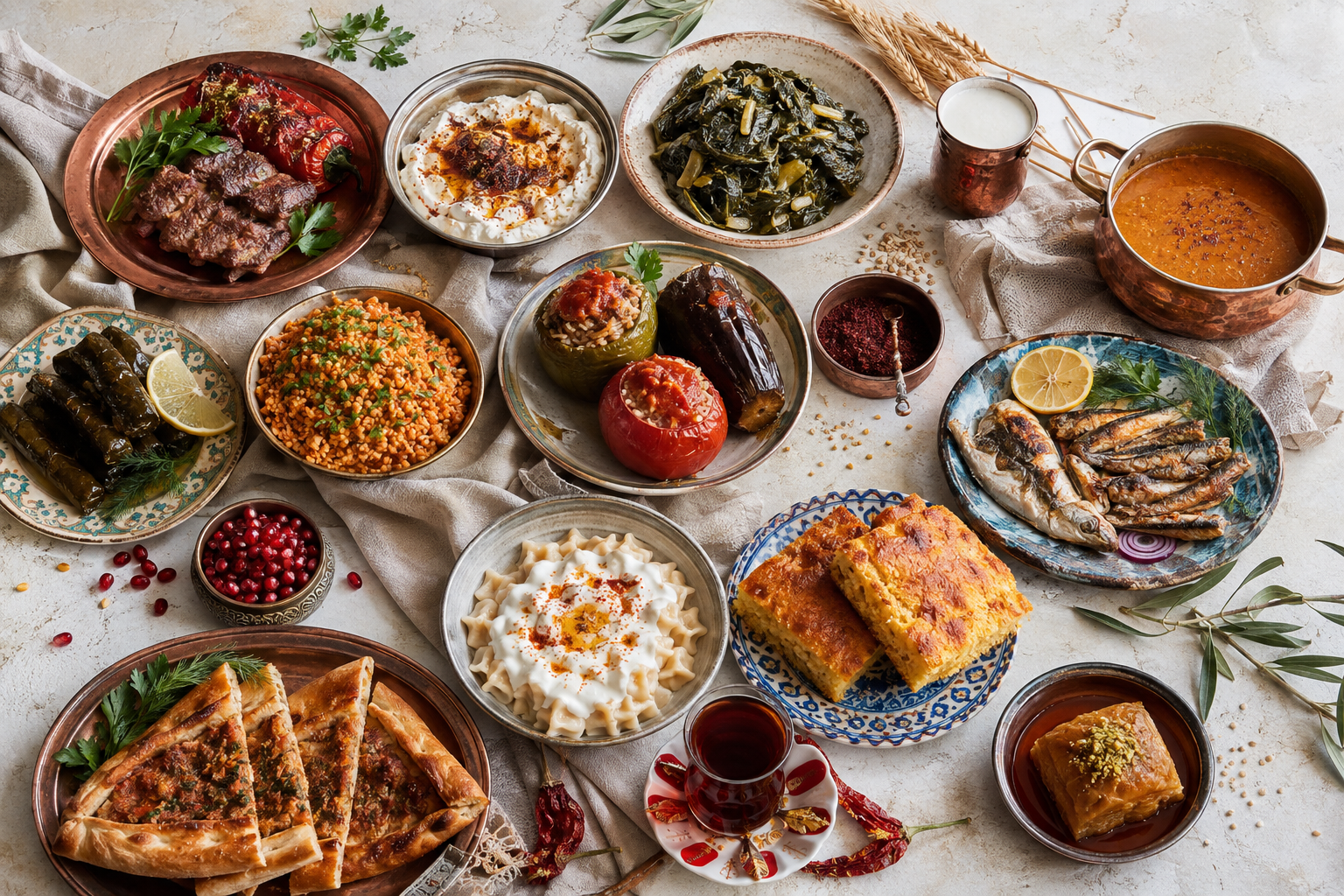
Bedih first went to a sıra gecesi with his father, Halil, a weaver. The word sıra means a turn. One week you went to a friend’s house. The next, it might be your turn to make the bitter mırra coffee and hand round the little cups. A boy learned to pass his empty cup back to the person who had poured it. If there were musicians in the room, he could also learn how long a singer might linger on a syllable of Fuzûlî.
A verse sung at the opening pictures the ihvan, the brethren, filling the eyvan, the room that opens onto the courtyard. For the artisans of the Ahi brotherhoods, hospitality came with the trade. Ahi Evran’s counsel was to keep an open hand, an open door and an open table. Among Alevi families, a musahip was someone you undertook to care for throughout this life and called a brother in the next. At a cem, the gathering for worship, a question in the table blessing brings the obligation down to the food in front of you. There are no scales here. Is everyone content with their share?
Among the poets Bedih sang, listen for Fuzûlî, who lived in Karbala and Baghdad in the sixteenth century. In the gazel Öyle sermestem ki, the speaker is so drunk he can scarcely tell who he is, who is pouring the wine, or what wine itself might be. In the account passed down of Bedih’s singing, whether the poet was Fuzûlî or Siyahî, he would close the gazel with a prayer heard in one of his recorded performances.
“Yâ Rab, bizi dûr eyleme evlâd-ı Ali’den.” Lord, do not part us from the descendants of Ali. We have loved them, he sings, ever since the moment in the Qur’an when God addressed the souls and they answered yes.
By the time Bedih died in 2004, he had sung on hundreds of tapes made in Urfa. The closing lines are worth hearing twice. Fuzûlî asks, “Who am I?” Four centuries later, the coppersmith from Urfa answers in the plural.