What would make Istanbul easier to live in tomorrow? A comfortable walk from a station would be a good start. So would a stretch of waterfront that stays open, or a school gate with room for children to arrive on foot. These are small ambitions for a city of such consequence. They deserve rather more attention.
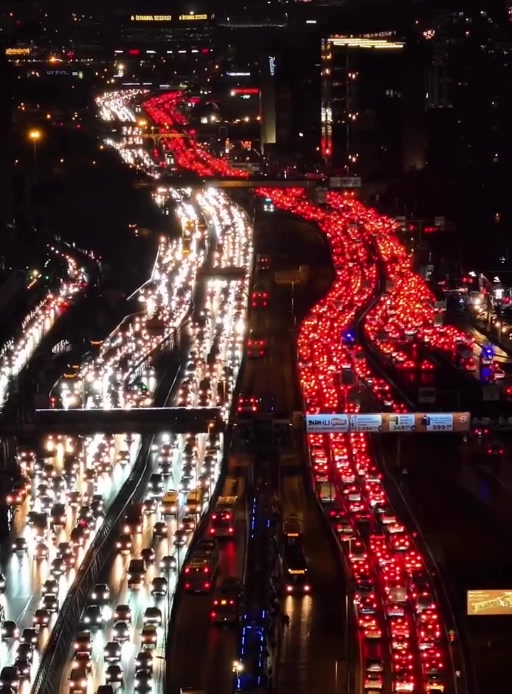
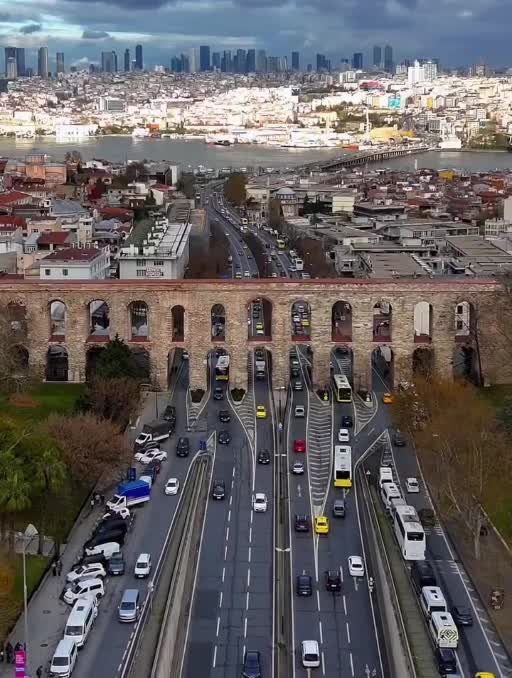
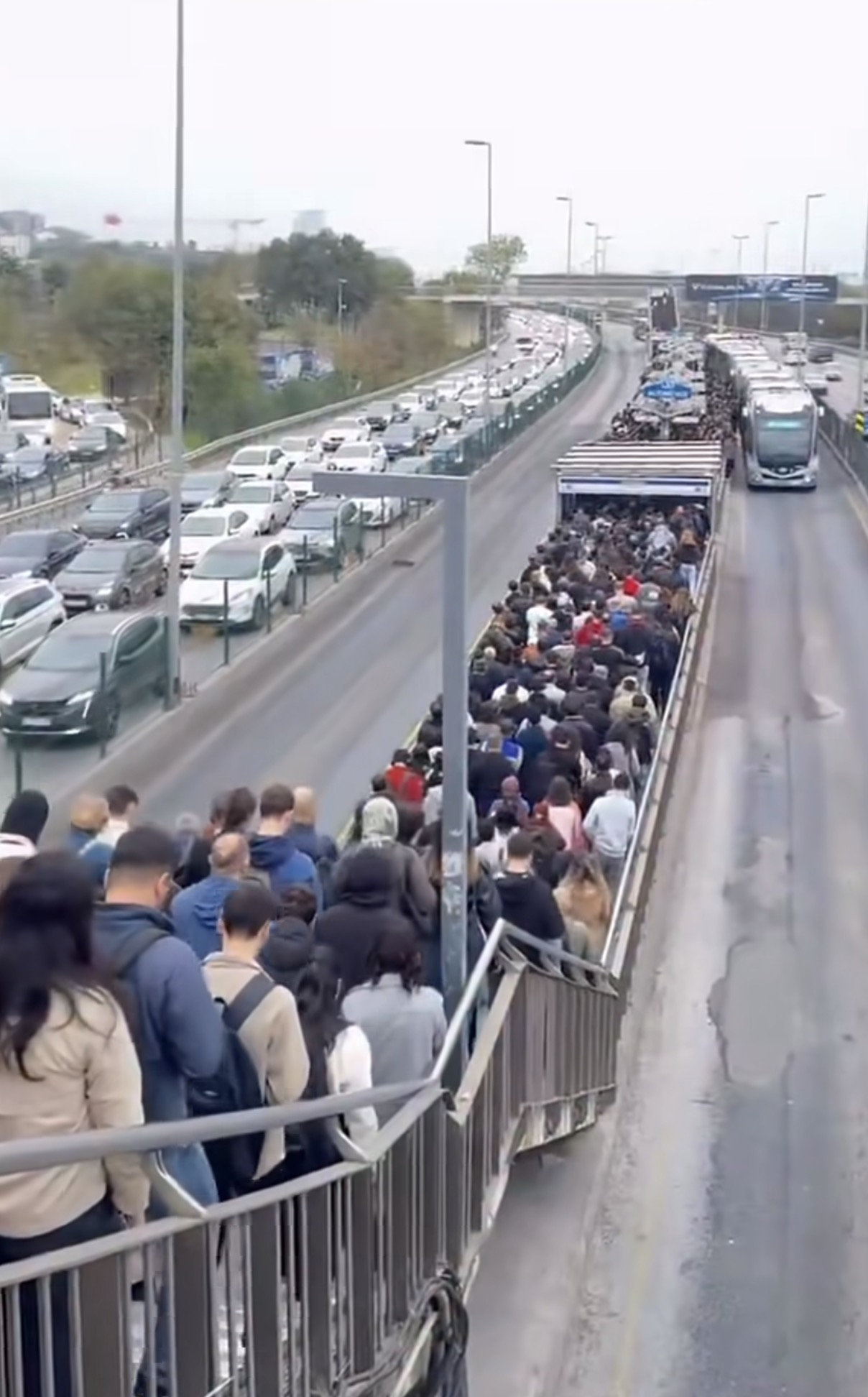
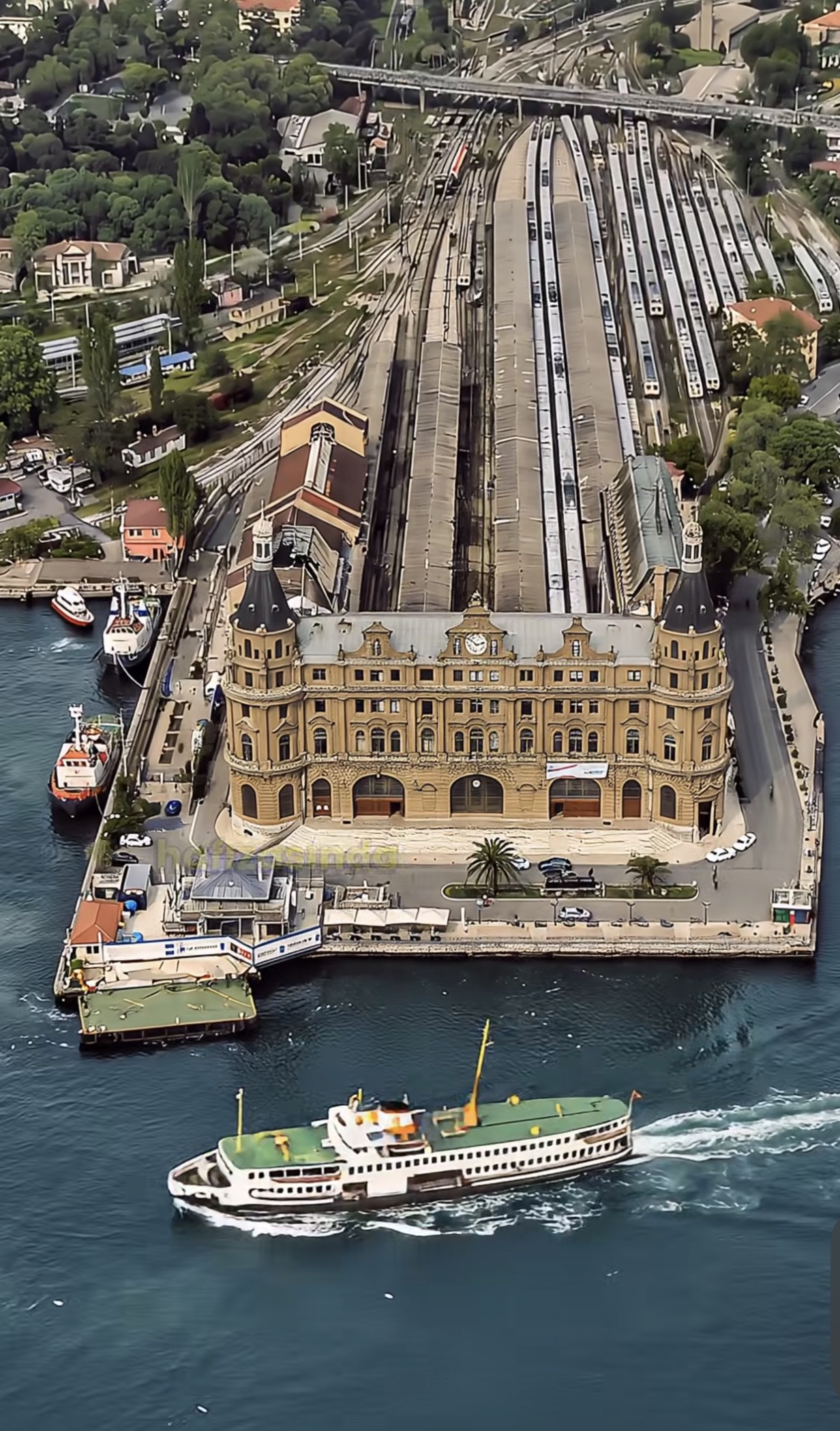
The photographs accompanying this piece give the argument a setting: the road beneath the Valens Aqueduct, a crowded Metrobus platform, Haydarpaşa with its tracks reaching back into the city. Look at them for a moment as places to use. Where can you walk? Where do you wait? What has been given the most space?
The proposals below range from repainting a crossing to rethinking whole stretches of coast. Some would take years. Others ought to be ordinary municipal work. We have kept their individual demands because the details matter: the particular entrance, the awkward transfer, the car park in exactly the wrong place.
This is an opinion piece, with choices to argue over rather than a claim that every engineering question has been settled. The through-line is simple enough: give more of Istanbul’s space and attention to the people spending their days here.
1. Before the branches disappear
A tree being cut down deserves an explanation that people can actually find. Give pruning and felling their own public website and social accounts: a place to say what is happening and why, before the argument begins beneath an empty patch of sky.
2. A different neighbour for Sinan
The case for removing Akçansa’s Büyükçekmece cement factory begins with its neighbours: homes, a lake and one of Sinan’s finest bridges. We want the factory closed. That stretch of Istanbul deserves a future shaped around the people living there and the landscape they share.
3. Bring Aksaray back to street level
Take down the grade-separated junction at Aksaray. A place in the city ought to offer more possibilities than passing over it or disappearing beneath it.
4. Walk until you decide to stop
Imagine setting out from Ataköy Marina and continuing towards Küçükçekmece without a property boundary ending the walk for you. Design that entire waterfront as one public route. Public and private ownership will complicate the work; neither should settle who gets to enjoy the shore.
5. Give Unkapanı a better crossing
Renew Atatürk Bridge, better known to many as Unkapanı. Treat the crossing and its relationship with the city as a design problem worth serious attention. A bridge occupies too important a place in daily life to be considered only when something needs repairing.
6. Keep the airport in the park
Atatürk Airport offers the possibility of a park large enough to retain the character of an airport. Istanbul Metropolitan Municipality, İBB, needs a plan for the whole site, with new uses for its buildings and careful connections to the surrounding city. The Millet Bahçesi project need not end that discussion. There is still a larger landscape to think about.
7. Start with the arrival at Avcılar
A Metrobus journey includes the approach to the station and the walk away from it. Redesign Avcılar on that basis, bringing the station and its surroundings into the same drawing.
8. A palace garden with room to linger
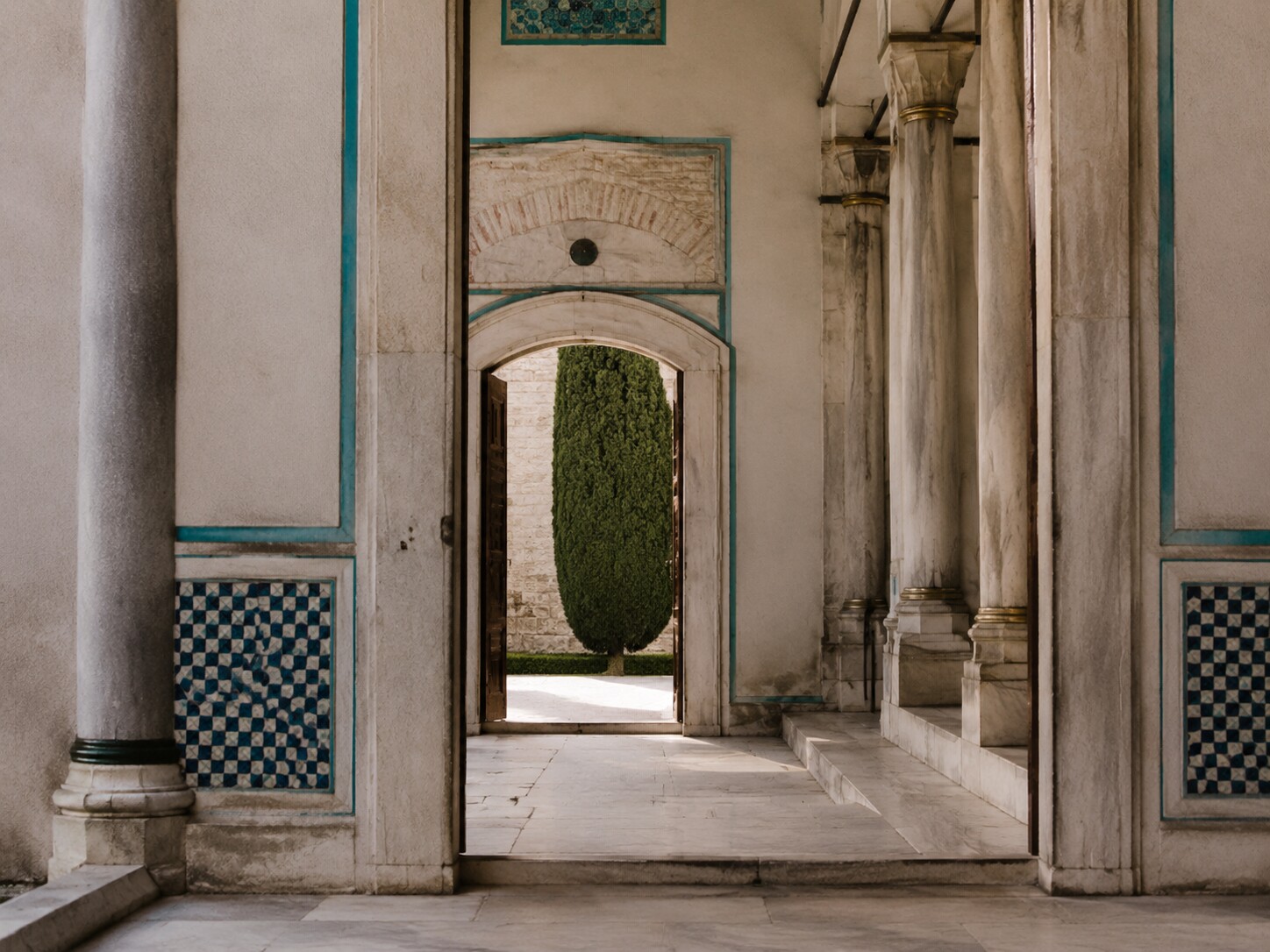
Between the Eurasia Tunnel and Sirkeci, we would give the waterfront to pedestrians. The road beside Topkapı deserves to be questioned as seriously as any new proposal for the palace grounds would be. There is a remarkable view here. People ought to be able to enjoy it at walking speed.
10. Let Hagia Sophia be a museum again
Our position is straightforward: return Hagia Sophia to museum use. Its extraordinary complexity deserves a public setting in which its many histories can be encountered together.
11. Aydos needs care with a plan
Give Aydos Forest an urgent management plan. A forest’s future cannot depend on how much attention it attracts compared with a better-known neighbour such as Belgrad.
12. The unremarkable pleasure of a good walk
Connect Ayrılık Çeşmesi interchange and Koşuyolu Square with a comfortable pedestrian route. The ambition is modest enough: arrive, leave the station and walk somewhere without having to solve a puzzle first.
13. A transfer should not be a climb
At Ayvansaray, Metrobus and the T5 tram meet on the transport map. The long, sloping route between them needs to work just as convincingly on the ground. Shorten the effort of changing services; passengers already have somewhere to get to.
14. Make room for Byzantine Istanbul
A serious Byzantine museum would give a substantial part of Istanbul’s history the attention it deserves. The ministry and İBB could develop it together, with a site within the Sur-i Sultani palace walls worth exploring. Begin with the quality of the museum, then find a building capable of holding that ambition.
15. Retire the roadside wallpaper
Vertical gardens demand care to decorate roads. We would remove these installations and stop treating them as the default answer to urban greenery. There are other places where the city could put that attention.
16. A forest without administrative seams
Belgrad Forest needs one management plan and a body capable of carrying it through. National Parks, İBB and the municipalities responsible for its various areas need to work within that shared arrangement. A forest does not become a different ecological place at the edge of a municipal brief.
17. A small bridge, a much larger daily radius
For roughly 5,000 residents in 1,500 Altıntepe households, the proposed pedestrian bridge would make Bostancı, Marmaray, the sea buses and Bağdat Avenue easier to reach. Deliver it. Some of the most useful changes to a city fit into a surprisingly small piece of engineering.
18. Step out of Bostancı into public space
Remove the car park immediately outside Bostancı Marmaray station and redesign the surroundings. The first thing a passenger encounters on leaving a train deserves to be part of the public-transport experience.
19. Stay a little longer in Büyükçekmece
Sinan’s Kanuni Sultan Süleyman Bridge could anchor a visit in its own right. Its four-part structure, the fishermen and the surrounding defensive works belong in a thoughtful plan for the area. Give people reasons and room to spend time there, rather than treating the bridge as a photograph collected on the way elsewhere.
20. The shipyards are worth an argument
At Camialtı and Taşkızak, our proposal is to halt the redevelopment and remove the contested construction. Gökkafes and the Park Hotel are warnings about the consequences of large interventions in sensitive places. The future of the shipyards deserves that degree of scrutiny, however far a project has progressed.
21. Reconsider the stop at Çemberlitaş
Remove the Çemberlitaş tram stop. That is the proposal here, and it belongs within a wider conversation about how the historic centre works at street level.
22. One sea, a legible service
Passengers should be able to understand the ferry network without first understanding its operating companies. Put coordination under one authority, share the piers and align fares, visual information and comfort standards. The name painted on a boat should not make the journey harder to work out.
23. Think beyond the stadium gate
Around Fenerbahçe’s stadium, design the relationship between the main road, approach streets and pedestrian routes. Crowd management has a role; it cannot carry the entire burden of urban design. Getting to a match and getting home belong in the plan.
24. Follow the walk to the university
The route from Feneryolu Marmaray station to Marmara University is an opportunity for a small, useful intervention. Improve the walk people already make. A project does not need to announce itself from across the city to deserve doing.
25. Give Fikirtepe a way out on foot
Connect Fikirtepe’s residential developments to Bağdat Avenue with a genuinely usable walking route. For the people living there, access to the surrounding city matters as much as what happens inside the development boundary.
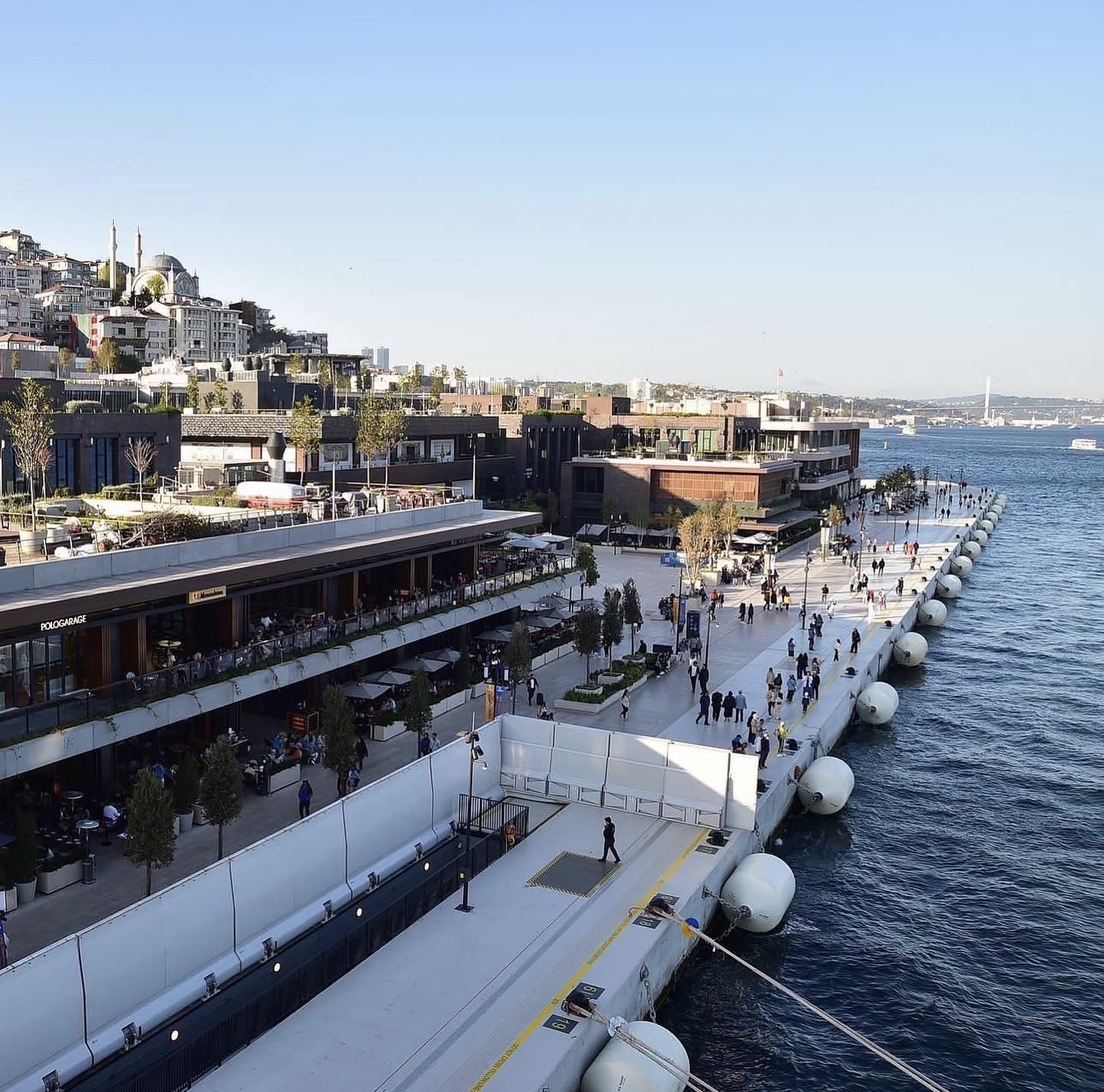
26. Who decides when the waterfront closes?
Galataport’s barrier opening and closing times need to be public, clearly displayed on its website. Local government also needs a role in managing access. A walk along the shore should not depend on information available only after you have arrived at a closed barrier.
27. Help the city uphill
Along the stretch from Karaköy to Kabataş, explore outdoor lifts and funiculars connecting the waterfront with the higher neighbourhoods. Istanbul’s slopes are part of its character. Making them easier to negotiate would be a kindness to the people who live with them every day.
28. Give the long journey an express option
The proposed express Marmaray would call at Gebze, Pendik, Bostancı, Söğütlüçeşme, Yenikapı, Bakırköy and Küçükçekmece. A journey approaching two hours deserves serious work on an alternative. The proposal will need operational planning; the passenger’s time belongs in that calculation too.
29. Carry the metro journey all the way to the sea
Plan the Göztepe–Ümraniye connection with the walk from Göztepe Park to the waterfront in mind. Cemil Topuzlu Avenue is part of that journey. Design its crossings so that reaching the shore feels like the natural continuation of arriving by public transport.
30. Draw Göztepe’s connections together
Göztepe Marmaray station, İstasyon Avenue — also known as Tütüncü Mehmet Efendi Avenue — and the M12 connection need a coordinated access plan. The point at which several services meet is precisely where separate design decisions become everyone else’s inconvenience.
31. Find three metres for a bicycle
A cycle route along Göztepe Park’s southeastern edge could connect Bağdat Avenue and the shore. The proposal moves the boundary three metres inward while keeping every tree. Work out that street section carefully. Protecting the park and making cycling possible deserve to be solved together.
32. Open up the Golden Horn tram
Remove the barriers along the Haliç tram route and design the line’s relationship with its surroundings accordingly. A tram should feel integrated into the city it serves.
33. Retire the Harem–Sirkeci car ferry
Our argument is for ending this vehicle-ferry route in the transport system shaped by the Eurasia Tunnel. The proposal concerns the cars, trucks and vans being brought into the historic centre. Affection for Istanbul’s ferries need not mean keeping every vehicle route forever.
34. Give the rail ferry a different landing
Move the European end of the Haydarpaşa–Sirkeci train ferry to Kazlıçeşme. Retain Haydarpaşa, close the Sirkeci rail-ferry pier and provide the new landing infrastructure at Kazlıçeşme. This is a change of location with a larger purpose: reconsidering what needs to enter the Historic Peninsula.
35. Buy a ticket at Haydarpaşa
The most convincing future for Haydarpaşa is as the Asian side’s main railway terminus. Let the building’s beauty accompany an ordinary departure. A station can be loved for its architecture and still have a train to catch.
36. Show us the project
Bring İBB and district-municipality projects together on one public website, with explanations people can follow. Residents should be able to understand what is proposed for their city without assembling it from scattered announcements.
37. Do the work before inviting the congress
A congress-tourism strategy needs to settle the practical questions: exhibition venues, bids for major events, operations and the city’s preparations. Central government, İBB and the Istanbul Convention & Visitors Bureau need a coordinated plan, linked to tourism but detailed enough to do this particular job.
38. Give walking a department of its own
Create an İBB Department of Pedestrian Affairs with the authority that title implies. Put crossings and other pedestrian responsibilities there, alongside cycling and scooters. Walking needs someone whose principal job is to make it work.
39. Name the architect
Put architects’ names back on İBB construction signs. Public buildings have designers. A city that commissions architecture ought to be willing to say who made it.
40. Let city hall remain city hall
Keep the Saraçhane building in municipal use. Its future does not require a new identity simply because someone might be able to propose one.
41. Plant for the person who will walk here later
Set the ambition at twice Istanbul’s tree cover, with long-lived trees along roads managed by İBB and the districts. This asks for patience as well as planting. The useful measure is the shade a street can offer over time.
42. Listen to the people on foot
Recruit volunteer pedestrian inspectors through the proposed walking department. People who regularly use a route can help identify where it breaks down. Give that knowledge somewhere useful to go.
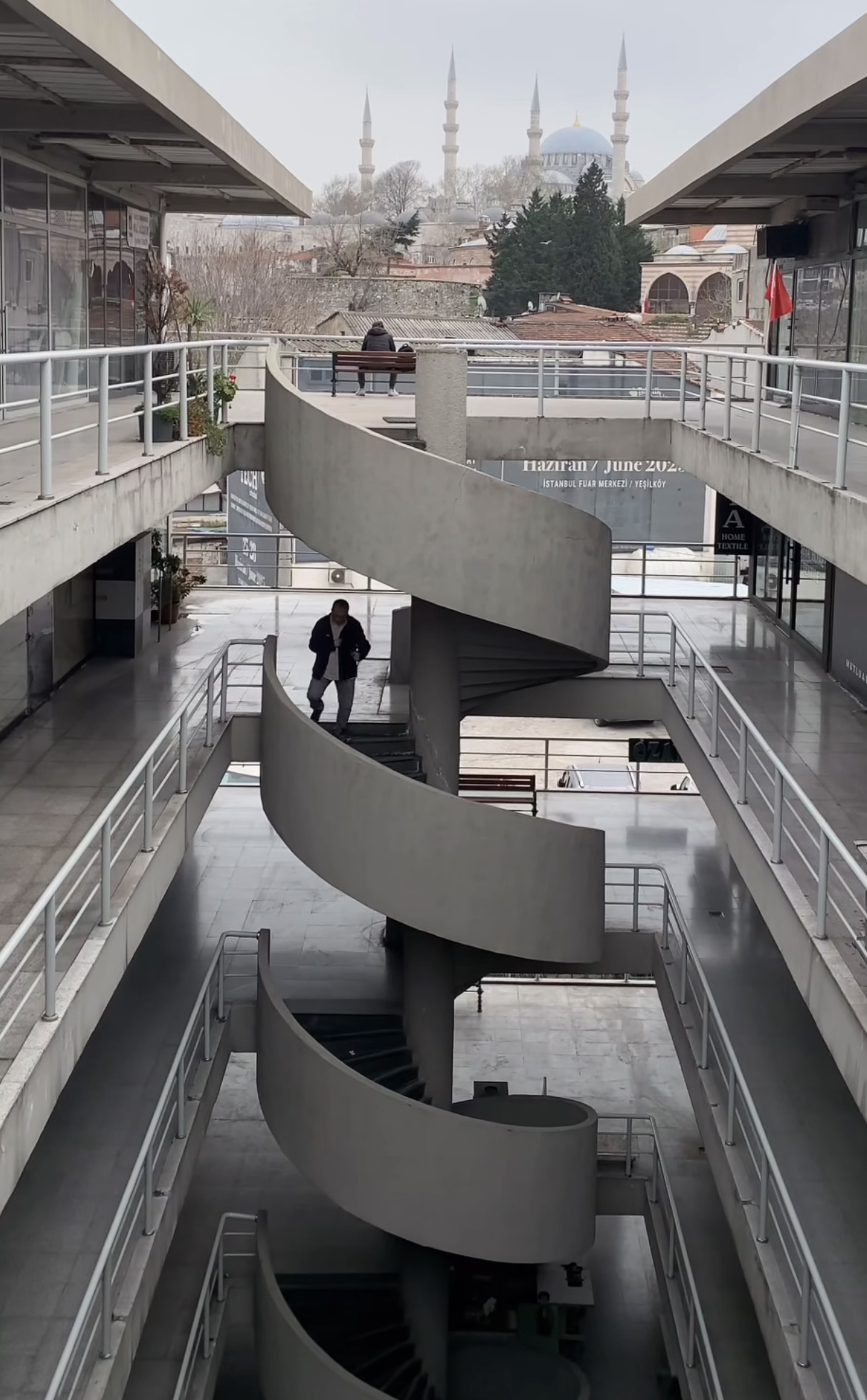
43. Build on the life already inside İMÇ
A creative-industries future for İMÇ need not begin with expropriation. İBB, Fatih Municipality and the complex’s management could develop a strategy together. The interesting task is to make new possibilities within an existing place, with attention to the people and work already there.
44. Leave the next mega-junction on the drawing board
Abandon new road underpasses and oversized interchanges. We would rather see Istanbul’s next round of design effort improve the streets people use at ground level.
45. Keep former military land out of the development pipeline
The principle is a firm one: no construction on military land within Istanbul’s boundaries. The debate must include Esenler, Hasdal, Küçükyalı, Kartal, Çekmeköy and Tuzla. The availability of a large site is not, by itself, a good reason to build on it.
46. Count the boats, then find them a place
A boat master plan would establish demand, storage and permitted moorings. Add a measure of how much waterfront boats occupy. The water’s edge needs an allocation of space that goes beyond whoever tied up first.
47. A museum for the natural world
Give Istanbul a natural history museum. Make room in the city’s cultural life for the landscapes and living things that belong in its story too.
48. Keep the public estate intact
Our position on public land sales is the same whoever holds office: keep the land. Municipal and central-government property both belong in a long-term view of what the city may need.
49. A pool within ordinary reach
Fill the gaps in neighbourhood swimming provision with economical, well-designed pools that can be delivered promptly. A large sports complex may look impressive in a presentation. A nearby pool is somewhere a person can actually go after work.
50. Plan for tourism as city life
İBB needs a stronger role in a coherent tourism plan. Visitors use the same streets, waterfronts and transport connections as residents. Their presence belongs in the city’s planning, rather than in a separate conversation about promotion.
51. Make parking less of a guessing game
Bring car-park operation under İSPARK and put availability and payment into one app. If the city is providing parking, people should at least be able to find out where a space is before driving around in search of it.
52. Take a sea bus to a swim
A northern-coast recreation plan could make summer swimming a more ordinary part of Istanbul life. Coordinate beach management and explore sea buses from Kabataş. The prospect of reaching a beach by boat feels like a perfectly reasonable ambition for this city.
53. Belonging, with a ferry ticket
Start work on a shared Istanbul identity by caring for the ferries. Their contribution to the city is something people can use. Keep them comfortable and useful, and the affection can look after itself.
54. Let two tram routes do different jobs
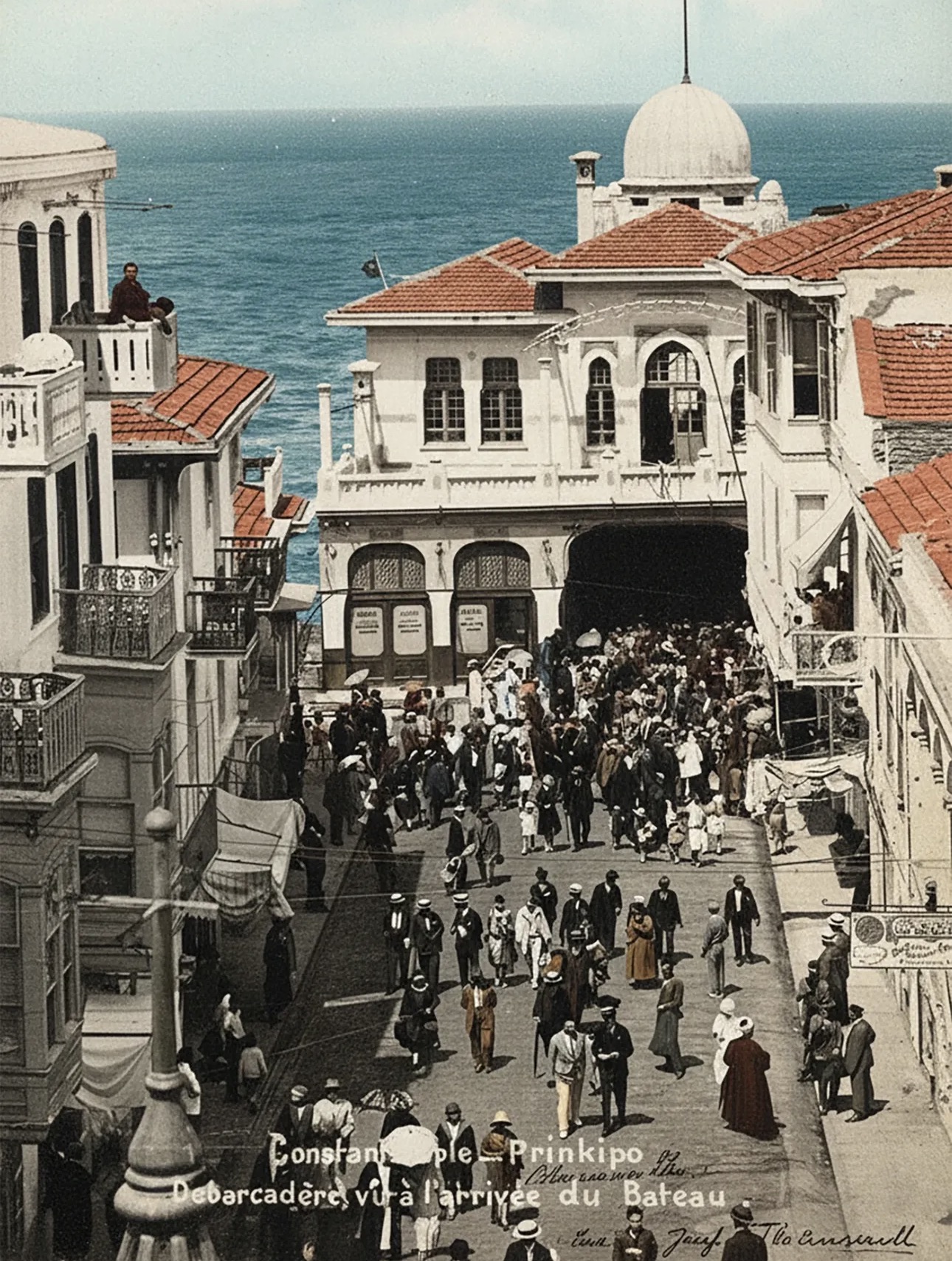
Consider splitting the Kabataş–Bağcılar T1 into T1 Kabataş–Topkapı and T7 Topkapı–Bağcılar. Give each the hours and service pattern its passengers need. A single line on a map need not mean a single set of needs along its entire length.
55. Let the buses visit Kadıköy, then leave
Keep passenger pick-up and drop-off in Kadıköy, with layovers and storage at Harem. The distinction matters: a place to board a bus and a place to keep one do not have to occupy the same stretch of city.
56. Reclaim the Karaköy car-park site
The proposal for the multi-storey car park is removal, without recreating its function underground. Use the opportunity to reconsider the site’s role in Karaköy. Excavating the same answer would miss the point.
57. Enough road tunnels
Take further road tunnels out of the programme. There is plenty else on this list to occupy the city’s time.
58. Walk through Kasımpaşa
Rework the pedestrian connections between Kasımpaşa and Kulaksız, particularly around Divanhane. Approach the area as a continuous walk, so that an improvement does not stop precisely where the next difficulty begins.
59. Bring Kennedy Avenue into the city
Between Kazlıçeşme and the Eurasia Tunnel, reduce the road’s motorway character. Design the park, historic walls and street together, with people able to move comfortably between them. The coastline deserves more than a view from a moving car.
60. Arrive on the European side at Kazlıçeşme
Plan Kazlıçeşme as the European side’s principal railway station. In the rehabilitation of the Thrace route, look beyond a connection ending at Halkalı and consider the full arrival into Istanbul.
61. Give the small things a design standard
Prepare a guide for objects placed in public outdoor space. Individually, these decisions can seem minor. Together, they determine much of what a street feels like to use.
62. Make a place around Kıztaşı
Pedestrianise the streets around the Column of Marcian and develop an urban-design plan for its setting. Give people enough space to encounter the monument without the experience being organised around passing traffic.
63. Join the two waterfront walks
A pedestrian and cycle bridge over Kurbağalıdere could connect Kalamış and Moda. Let the route continue across the water. That simple continuity is the attraction.
64. Design the Metrobus station for the passenger
Küçükçekmece, Söğütlüçeşme and the wider station network deserve a systematic redesign. Start with the effort of getting in, waiting and leaving. Daily discomfort should not become a permanent feature simply because people have learned to manage it.
65. Make the Küçükçekmece connection convincing
Rebuild the walking link between Marmaray and Metrobus as a proper transfer. A connection only earns that name when a passenger can use it comfortably.
66. Close the gap between Marmaray and M4
Provide usable pedestrian routes between the two systems, considering short rail links where distances call for them. The useful network is the one people can travel through, including the spaces between its lines.
67. Make Marmaray fit more of the day
Aim for earlier starts, later finishes and intervals as short as three minutes. The service should be planned around the range of hours people need to travel. Eight- or fifteen-minute gaps are too much to accept as the ambition for a core urban railway.
68. Help people emerge at Sirkeci
Clear directions and shelter from rain belong in the design of Sirkeci Marmaray station’s street-level exits. The underground journey may be complicated engineering; finding the right way once outside should be simple.
69. Give Cağaloğlu a proper entrance
Redesign and rebuild Sirkeci station’s southern entrance at Cağaloğlu. Consider the doorway, its approach and the street it opens onto as one piece of public infrastructure.
70. Make Marmaray readable
Renew the railway’s graphic design and wayfinding, whatever happens to its management. Passengers need consistent information. They should not have to wait for an institutional agreement before the signs make sense.
71. Put the urban railway in municipal hands
Our preferred arrangement is for İBB to operate Marmaray rather than TCDD. Place responsibility for this part of the daily urban journey with the metropolitan municipality.
72. Stop checking the commute at the shopping-centre door
Remove the security checks imposed where metro exits connect with shopping centres. For people using these connections to get to work, movement through the city should be as straightforward as the route promises.
73. Give the minibüs transition five serious years
Prepare a practical five-year plan to phase out minibuses and dolmuş shared taxis. A decision of this scale needs a workable transition, with attention to the journeys people depend on. A slogan will not carry anyone home.
74. Walk down Moda Avenue
Pedestrianise the stretch from Atıfet Street to Moda pier. Let the approach to the water become a comfortable part of the visit.
75. Meet the coach at the railway
Build a central coach terminal on the Asian side connected to the Ankara high-speed line. Keep intercity coaches out of the centre by giving their passengers a properly planned place to change modes.
76. Slow down beneath the aqueduct
Reduce traffic speed along Atatürk Boulevard on the Süleymaniye–Zeyrek axis. The proposal also calls for removing trees that obscure views of the Valens Aqueduct. That choice needs to be addressed explicitly within the landscape design: opening a view and caring for the street’s greenery are both serious responsibilities.
77. Think about Zeyrek before it needs rescuing
Protect Sedad Hakkı Eldem’s Aga Khan Award-winning SSK complex and plan for its future early. Important architecture deserves care while there is still time to make considered decisions about it.
78. An arrival space for Sirkeci
Clear the car park in front of Sirkeci railway station. Let the forecourt serve the building and the people arriving there.
79. Make Söğütlüçeşme a shared commission
İBB, Kadıköy Municipality and TCDD need to commission the interchange together through a design competition. Resolve the meeting of their responsibilities as part of the project, rather than leaving passengers to negotiate the result.
80. Think about Sultanahmet as a whole
A strategic tourism plan for the 140-hectare archaeological conservation area would allow individual decisions to answer to a shared vision. A place this important deserves more than a succession of separate fixes.
81. Remove the metal addition at Şemsi Paşa
Take away the cantilevered metal walkway in front of the mosque. Reconsider the intervention as part of the relationship between the building, the people passing it and the water.
82. Let the street cross the tram line
Remove the walls along the T4 in Sultançiftliği and redesign the avenue in its entirety. Plan the tram and the surrounding street as parts of the same place.
83. Give the Historic Peninsula a transport future
Work towards fewer vehicles and the removal of car parks through a long-term access plan. This is a change that needs coordination across the peninsula, so that one street’s improvement does not simply become the next street’s problem.
84. Connect the parking that is already there
Explore a direct link between the Tepe Nautilus and Ayrılık Çeşmesi Marmaray car parks. Sometimes the useful intervention is a connection between existing facilities.
85. Leave room for different façades
Stop using façade-improvement schemes to make whole streets look alike. Planning and architecture need attention at a deeper level than surface treatment. A coordinated coat of paint cannot do their work for them.
86. Explain what the car costs the city
Make the public case for public transport with the seriousness of an anti-smoking campaign. Talk plainly about the harms of car dependence and the benefits of other ways of moving. Transport choices deserve an argument people can engage with.
87. One museum pass that means it
Extend Müzekart to every museum. A pass ought to make the decision to visit easier, with less time spent checking which institution accepts it.
88. Give children space at the school gate
Create generous pedestrian areas outside schools, closing the road at arrival and departure times where necessary. The brief begins with a child walking through the gate. Design outward from there.
89. Keep the crossing visible
Mark every pedestrian crossing properly and maintain it. There is nothing glamorous about repainting a crossing. That seems a poor reason to neglect one.
90. Try Uzunçayır on foot
Redesign the junction around pedestrian movement. Begin the design exercise with the person trying to get across it and follow the entire route.
91. Build a tram people can rely on
The Üsküdar–Kadıköy proposal calls for a high-capacity service. Give it the capacity to do a daily transport job. Nostalgia can take a seat with everyone else.
92. Make arriving in Üsküdar easier
Redesign the public realm and fix pedestrian access to Marmaray. Think about the moment people leave the station and the directions they need to take from there.
93. Put cooperation in the competition brief
Require the relevant institutions to work together in design competitions. A winning drawing has little chance if the organisations needed to deliver it are pursuing separate projects.
94. Ask a wider question about Yassıada
Open an international ideas competition for the island’s future. The proposal begins with dissatisfaction with the present arrangement and a willingness to consider something substantially better.
95. Give Alemdağ Avenue a coherent design
Renew the avenue through a serious urban-design project, with attention sustained along its length. A street needs to work between its most photogenic points too.
96. Two timeframes for Yenikapı’s reclaimed land
Make the land usable in the short term while planning for its removal in the long term. Immediate care and a different future can belong in the same brief.
97. Find your way through Yenikapı
Redesign the transfer centre’s interior as a whole. Follow a passenger from one service to the next and let that journey organise the space.
98. Free the space above the interchange
Remove the car parks above Yenikapı transfer centre. The surface of a major public-transport site deserves a more thoughtful relationship with the city around it.
99. Move the coaches out of the peninsula
Relocate Yenikapı’s coach terminals. The Historic Peninsula’s future needs a transport plan that does not bring intercity coach operations into its middle.
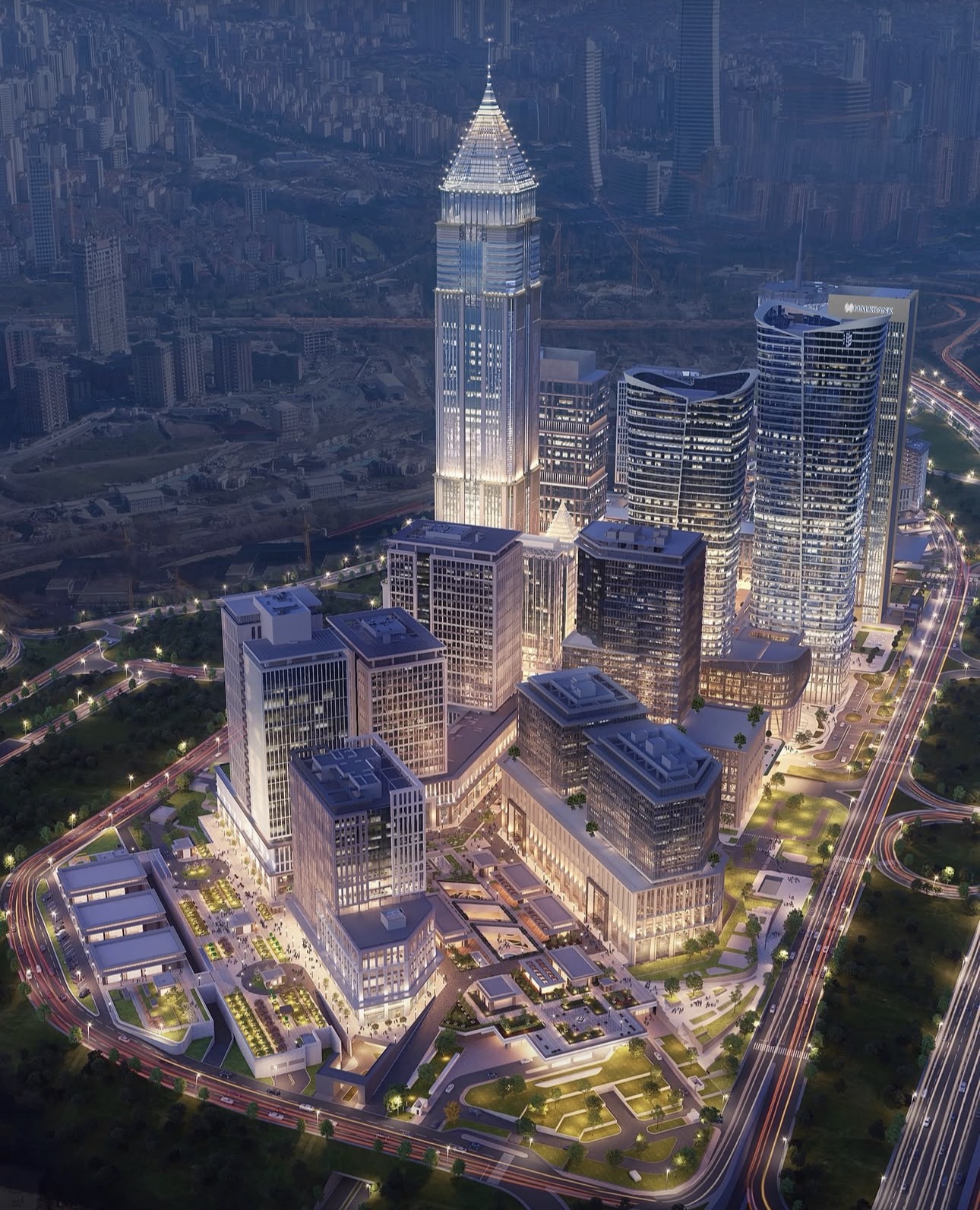
100. And then there is the Istanbul Financial Center
For this one, words fail us. The towers seem quite pleased with themselves.