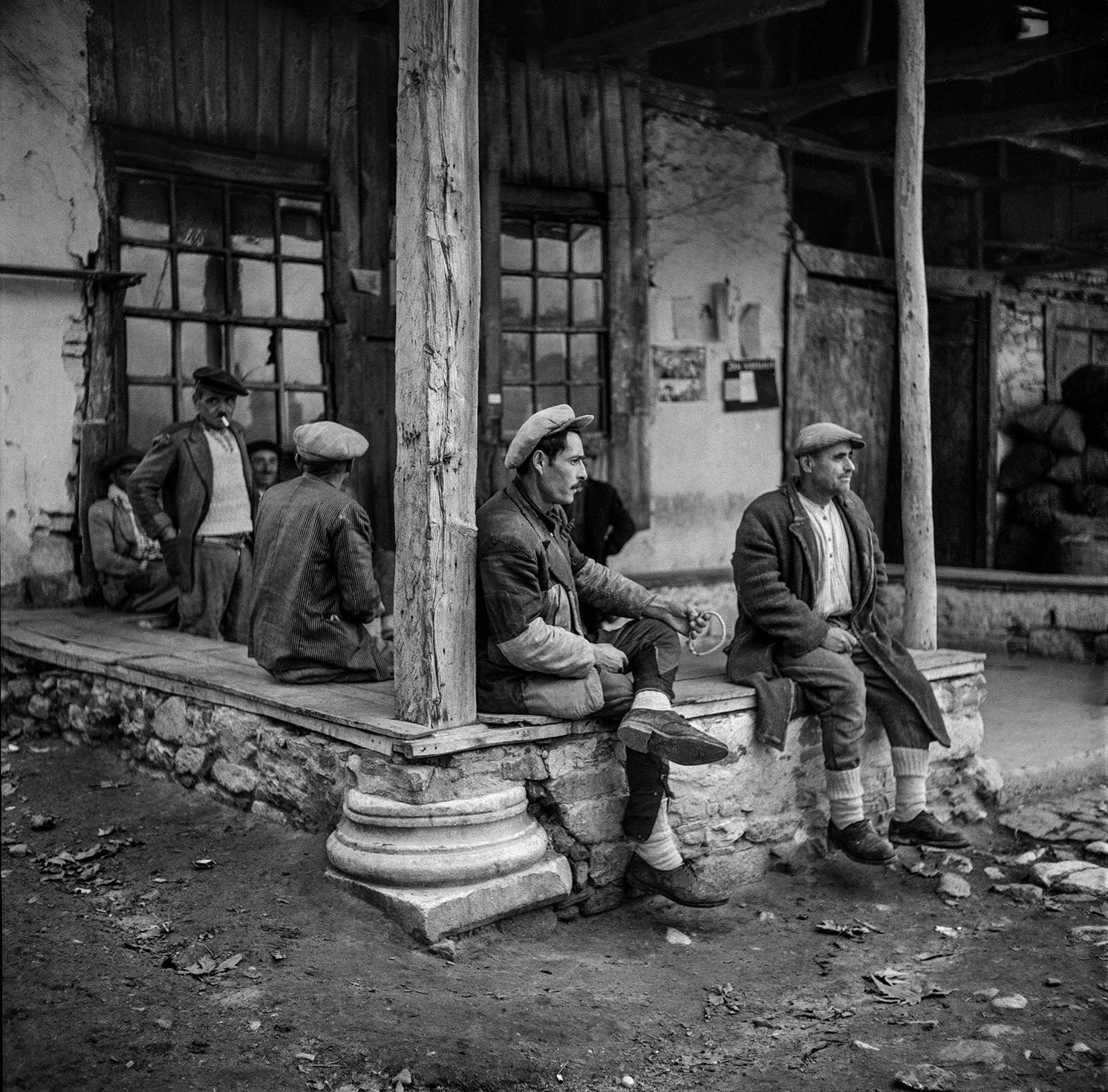
The popular story begins with Ara Güler losing his way near Geyre and photographing ancient stones incorporated into village life. It is irresistible: the photographer as accidental discoverer. It is also incomplete. Aphrodisias was known to scholarship; what changed was public visibility, international circulation and the urgency of sustained excavation.
The photograph as relay
Güler’s importance lies not in claiming the site, but in moving attention. A magazine assignment could become evidence, evidence could reach archaeologists, and a local landscape could enter a global visual conversation.
Ruins were not empty
The most useful historical lesson is that Geyre was lived in. Ancient fragments existed beside houses, animals, roads and work. Photography recorded an encounter between archaeological time and contemporary rural life rather than a pristine ruin waiting outside history.
After the romantic story
Today Aphrodisias is a UNESCO World Heritage Site with a long-running scientific excavation. The responsible visit gives credit to local residents, archaeologists, conservators and institutions alongside the photographer who helped widen the audience.