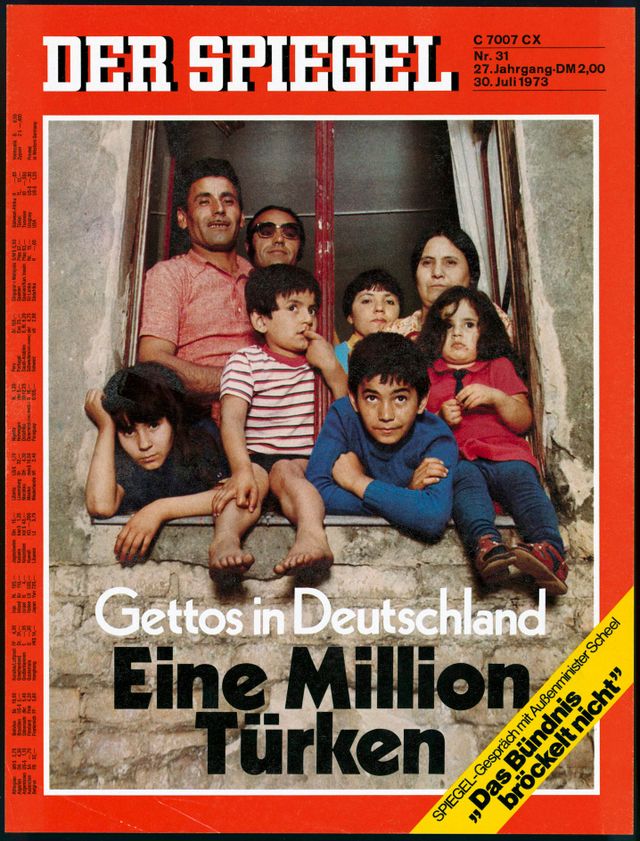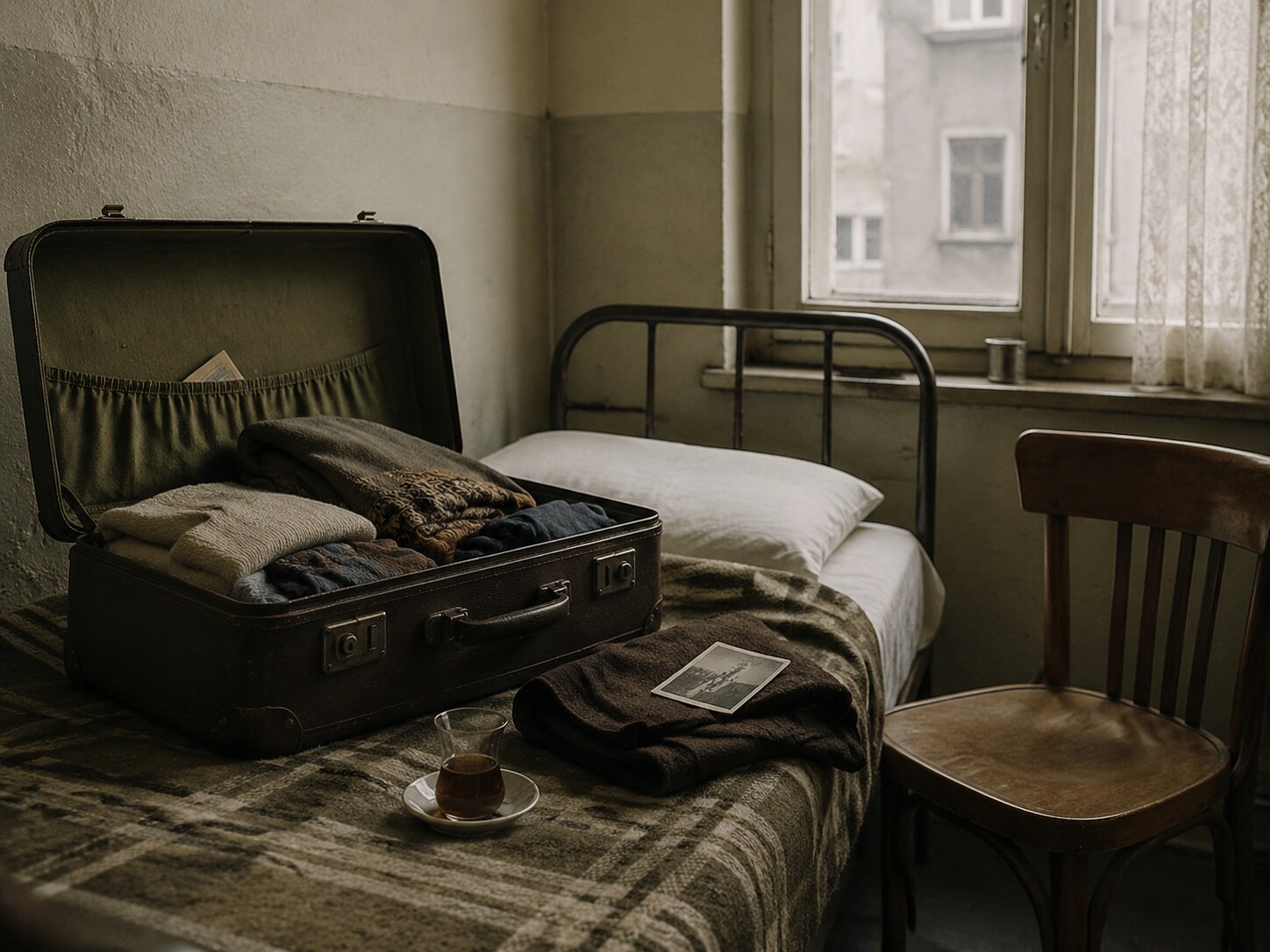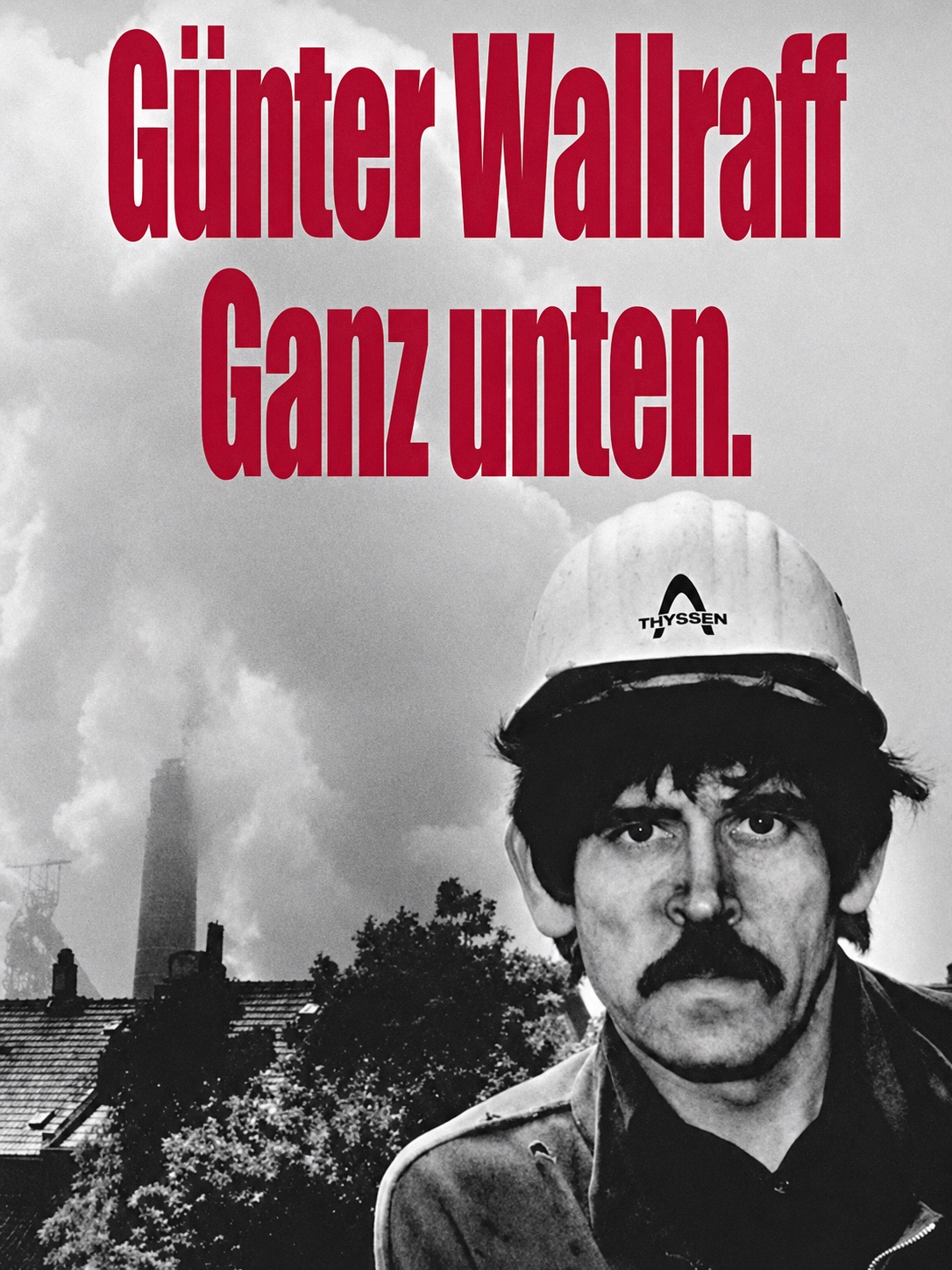
In 1983, the German reporter Günter Wallraff began an investigation that would last roughly two years. He wore a black wig and tinted contact lenses and entered the labour market under the name Ali Levent Sinirlioğlu. His invented biography—born to a Turkish father, raised in Greece—gave an explanation for his limited Turkish and hesitant German. The disguise was constructed. The hierarchy it exposed was not.
Ali was an assumed name. The work, the danger and the contempt were already there.
An advertisement for the work nobody wanted
Wallraff placed a classified advertisement offering a strong foreign worker for hard and dirty jobs, with pay presented as secondary. The wording opened the door to a part of the economy that rarely appeared in company brochures: casual labour, subcontracting and tasks distributed according to who was thought least able to refuse.
At one construction job, he later recounted, his first assignment was to clear toilets that had been blocked for days. He stood in sewage with a bucket and shovel while a foreman treated the humiliation as part of the instruction. When he said the pipes needed a plumber, he was told that thinking was not his job. The filth mattered. So did the choreography: before the shift had properly begun, “Ali” had been shown where the workplace believed he belonged.
The factory floor knew his place
The most consequential stretch of the investigation took him into the subcontracting system around the Thyssen steelworks. As a temporary worker, he carried out punishing jobs in coke dust and coke gas, reportedly without the respiratory protection given to directly employed workers. The arrangement made responsibility difficult to locate and the worker easy to replace.
Wallraff secretly collected a sample of the heavy metal dust and sent it to Bremen University for analysis. In his account, the report identified a dangerous mixture that included lead, mercury, cobalt and many other toxic elements. He later connected the exposure to health damage he would continue to carry. The body became the evidence that the payslip omitted.
The subcontractor supplied a body. The factory consumed the risk. Nobody wanted to own the distance between the two.
What Ganz unten changed
The investigation appeared in October 1985 as Ganz unten—published in English as Lowest of the Low. It became one of Germany’s most successful post-war works of nonfiction, selling more than five million German-language copies and travelling into dozens of translations. Companies named or implicated in the reporting challenged Wallraff and the book through the courts. Its reach made practices long described by migrant workers much harder for the majority public to dismiss as isolated incidents.
Wallraff explained the method through a paradox: to remove society’s mask, he first had to put one on. Undercover reporting gave him access to rooms, shifts and conversations that closed as soon as a journalist introduced himself. But the method also produced a second question that belongs beside the book’s achievement: why did West Germany need a famous German writer in disguise before it would believe Turkish workers speaking in their own names?
A temporary identity, a permanent exposure
Wallraff could eventually leave Ali behind. The Turkish workers beside him could not remove the name employers used to rank them, the accent landlords used to refuse them or the passport subcontractors used to make them vulnerable. That difference does not erase the investigation. It tells us how to read it now: not as one man heroically becoming “the other”, but as a record of a system that required some people to remain other in order to function cheaply.
The strongest legacy of Ganz unten is therefore not the transformation photograph. It is the evidence of ordinary administration: who received protective clothing, who worked without insurance, who was sent into toxic air, who could complain and still expect a job the next morning. Racism was not only an insult shouted by a foreman. It was a method for distributing danger.
He borrowed the name Ali for two years. Millions of workers had already lived inside the conditions it revealed.
Four decades later, the story remains uncomfortable for the right reason. It asks us to look beyond the spectacle of the disguise and toward the people whose labour made the investigation possible in the first place: workers who did not enter a role, did not control the ending and did not get to return to safety when the reporting was complete.