Nuri İyem’s women are among the most recognisable figures in twentieth-century Turkish painting: frontal faces, emphatic eyes, compressed backgrounds and an atmosphere of held speech. Familiarity, however, can make us stop seeing.
A face under historical pressure
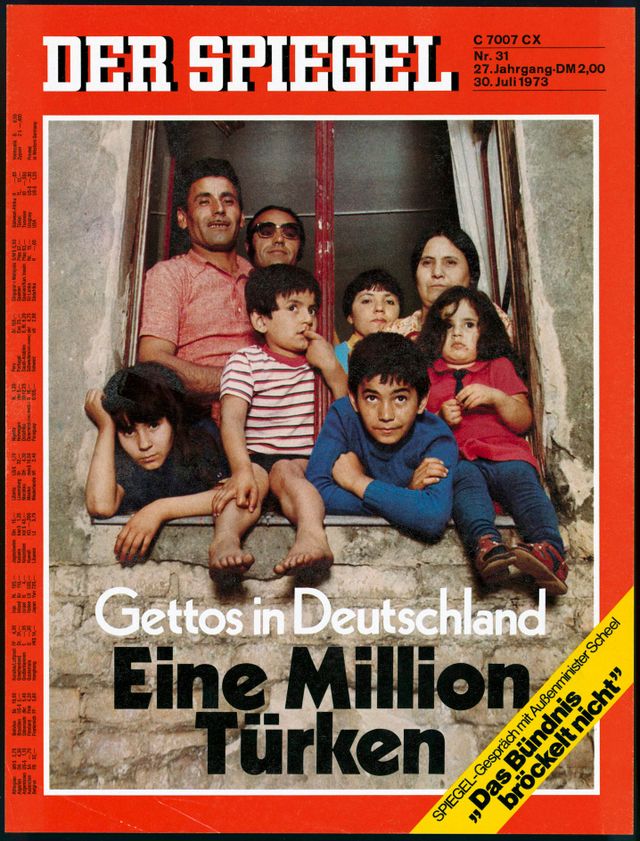
Rural-to-urban migration changed the visual and social landscape of the republic. İyem’s portraits are often read through that history—displacement, labour, poverty and endurance—but no face can carry the whole nation without becoming overburdened.
Against noble suffering
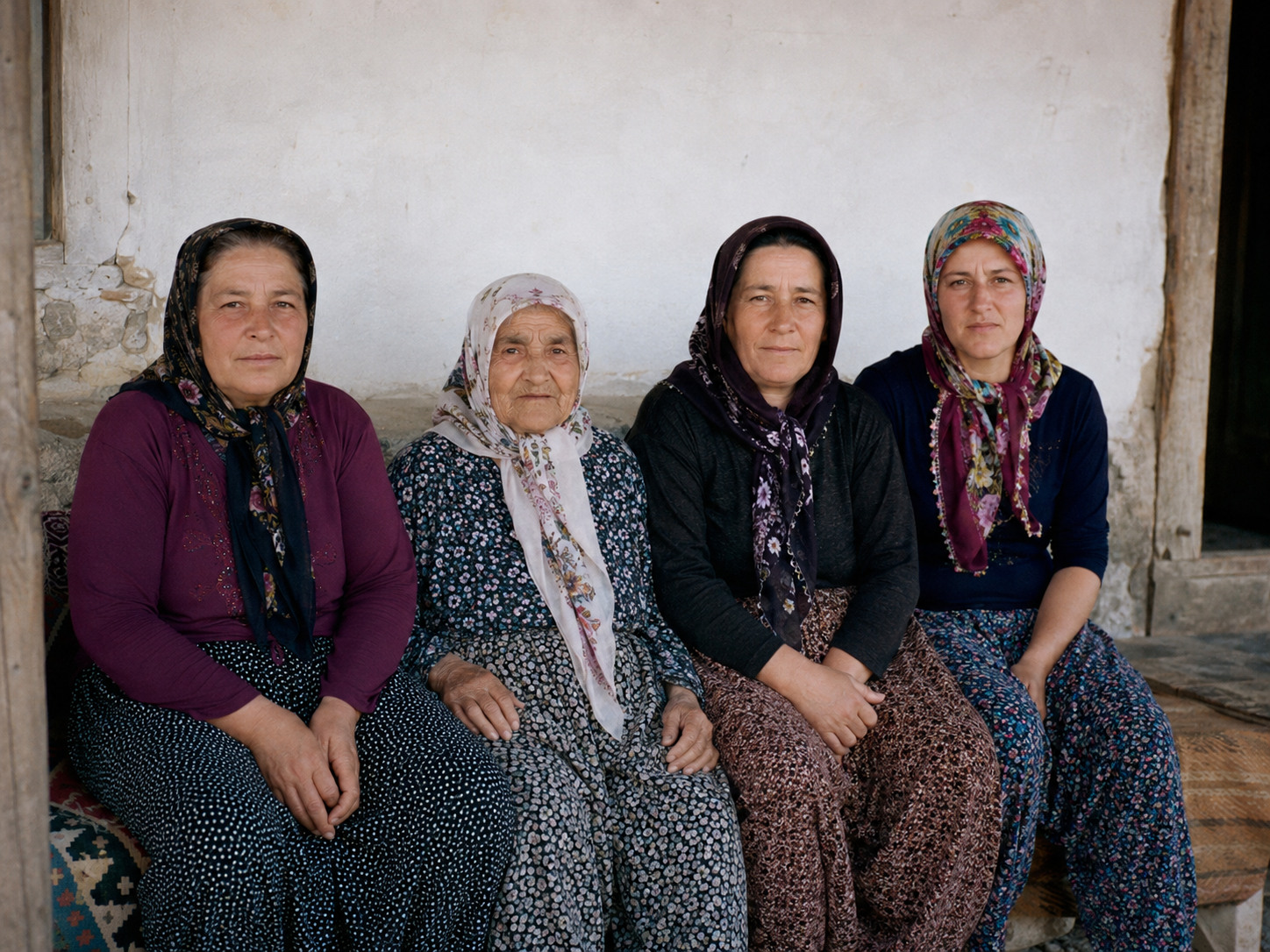
Dignity is not the same as idealisation. When the “Anatolian woman” becomes a ready-made emblem of patience, her anger, humour, desire and individual biography disappear. A contemporary reading must ask what the category hides.
Why the eyes remain difficult
The enlarged gaze reverses the usual direction of looking. We may arrive expecting to inspect an image of social reality, but the figure seems to assess the viewer instead. That discomfort keeps the paintings from settling into folklore.
The portrait becomes political when the person refuses to remain an example.