A list of one hundred buildings is an impossible way to explain a country. That may be precisely why this one is useful.
In 2017, Hürriyet Pazar asked a jury of around one hundred architects, architectural historians, academics and figures from Türkiye’s cultural life to name the most significant works of architecture standing within the country. The field was deliberately enormous: from the earliest monumental structures of Anatolia to the architecture of the Republic and the contemporary period.
The result did not produce a single history of Turkish architecture. It produced many histories occupying the same geography.
A Neolithic enclosure appears beside a modernist university. A Byzantine cistern sits above a twentieth-century housing complex in the ranking. Sinan meets Bruno Taut. Seljuk timber construction meets exposed concrete. A caravanserai, an opera house, a palace, a railway station and a weekend house are asked to inhabit the same conversation.
That collision is the point.
This is not a new BEINGTURKISH ranking. The names and order below preserve the published 2017 jury result. What we have added is context: a short reading of what makes each work worth stopping for.
The useful question is not which building is best, but what each one believed architecture could do.
AYASOFYA
İstanbul
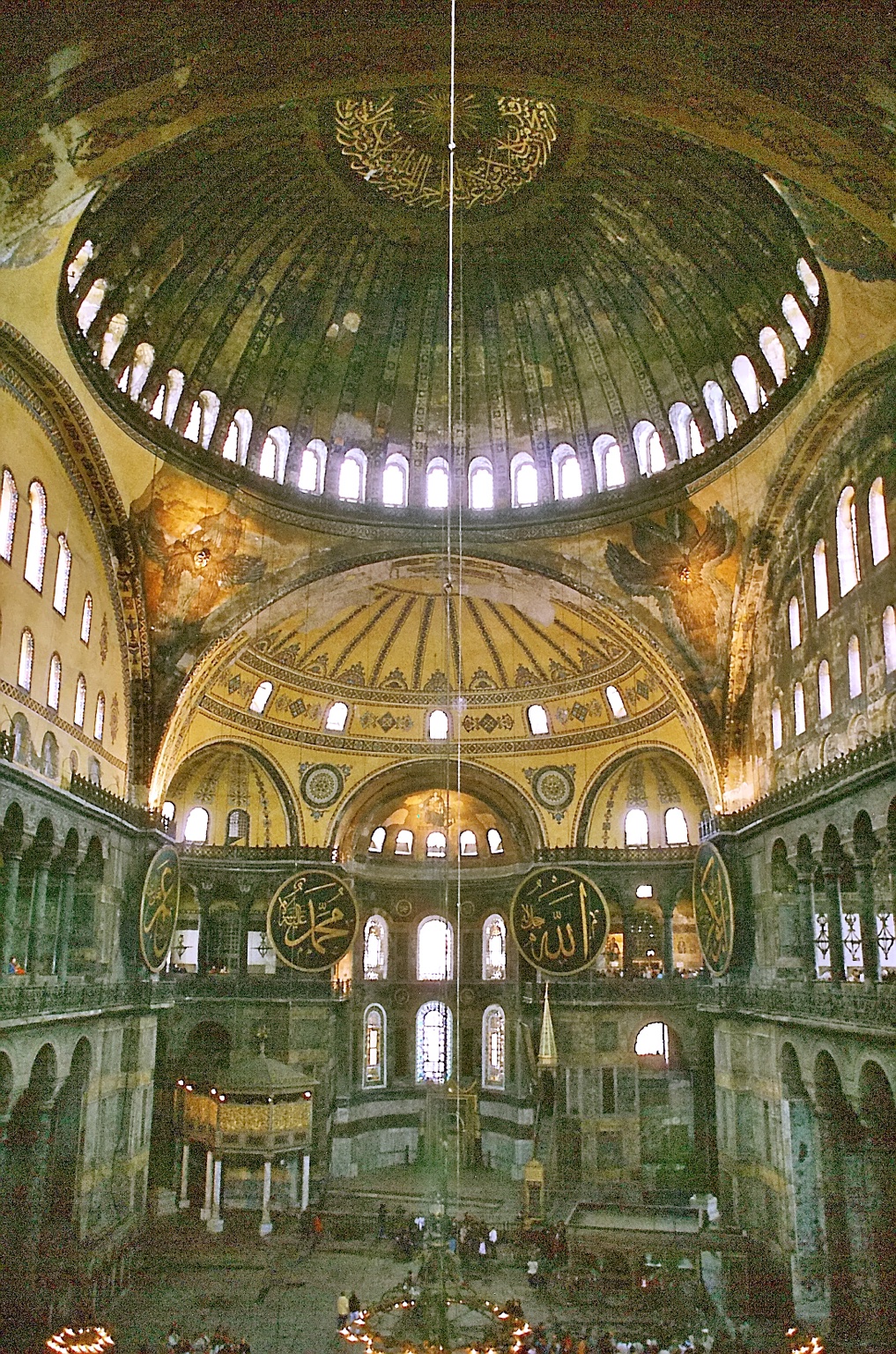
Few buildings have carried so many versions of a city within the same walls. Monument, imperial church, mosque and museum before returning to mosque use, Ayasofya remains an extraordinary lesson in structure, scale, light and the ability of architecture to survive political worlds larger than itself.
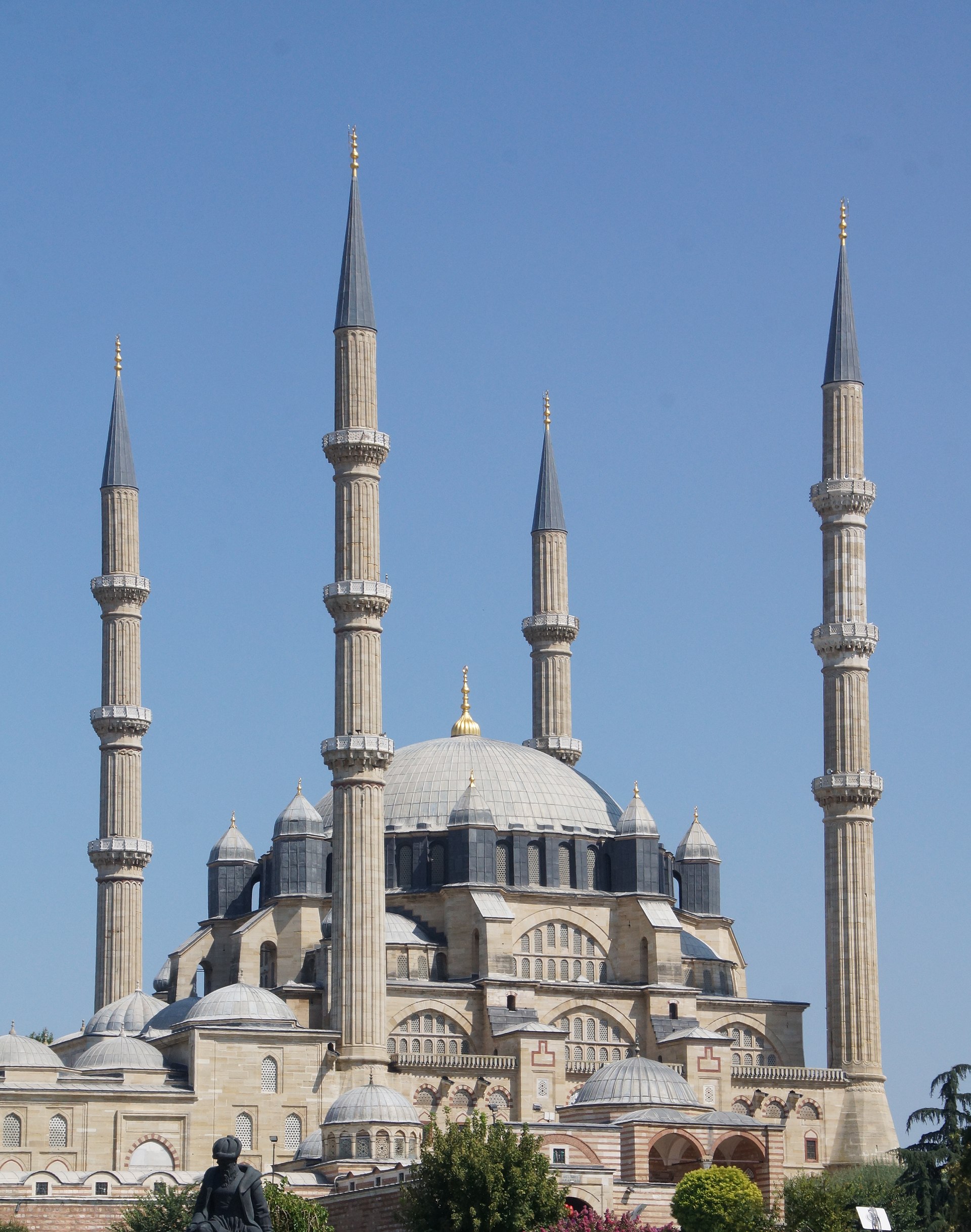
SELİMİYE CAMİİ
Edirne
Mimar Sinan’s mature pursuit of the centralized domed space reached one of its clearest expressions here. Seen across Edirne or standing beneath its dome, Selimiye makes engineering, proportion and skyline appear to belong to a single idea.
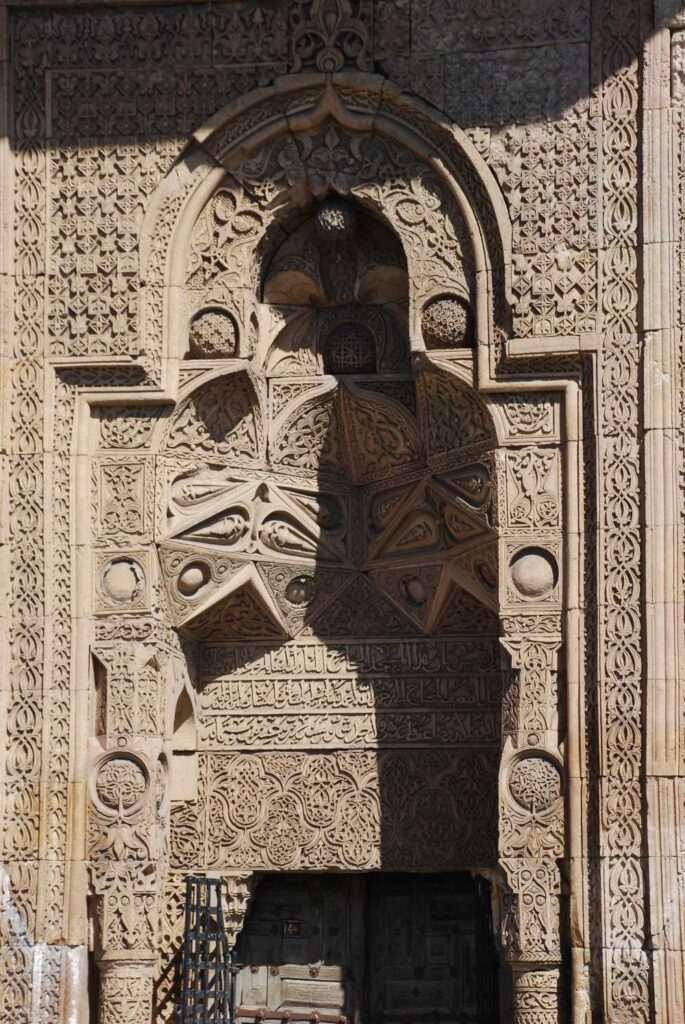
DİVRİĞİ ULU CAMİİ VE DARÜŞŞİFASI
Divriği, Sivas
Its stone portals seem almost impossible to exhaust visually. The mosque and hospital combine Seljuk-period architecture with an extraordinary sculptural vocabulary in which geometry, vegetal forms and shadow turn masonry into something approaching textile.
SÜLEYMANİYE CAMİİ
İstanbul
Rather than simply occupying İstanbul’s skyline, Süleymaniye helps construct it. Sinan used dome, courtyards, terraces and surrounding institutions to create architecture at the scale of both building and city.
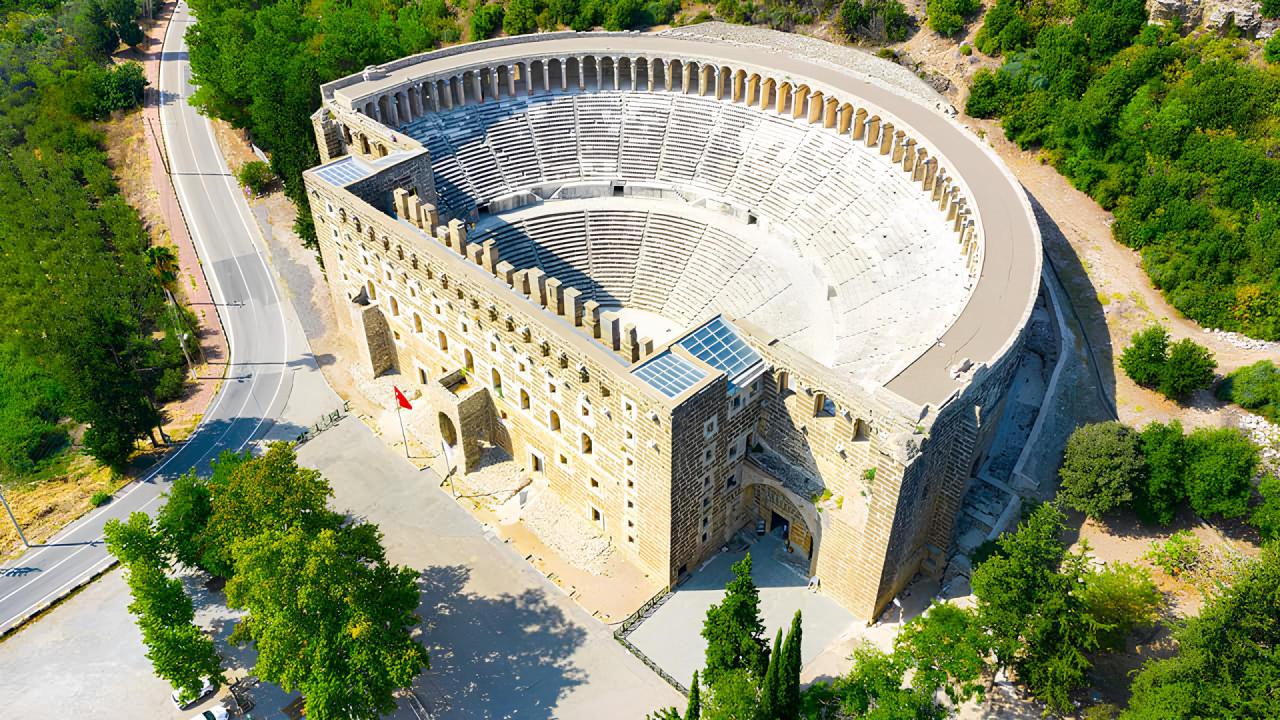
ASPENDOS
Serik, Antalya
The theatre at Aspendos demonstrates how Roman architecture could make thousands of bodies, a stage and a landscape behave as a single spatial instrument. Its survival makes the engineering feel startlingly immediate.
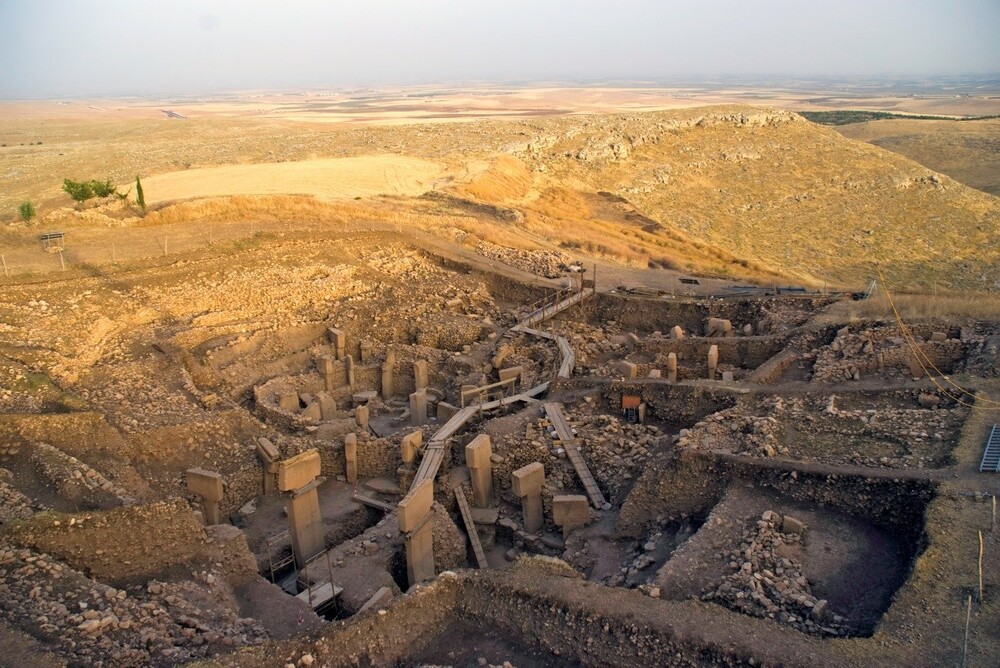
GÖBEKLİTEPE
Şanlıurfa
Architecture appears here before many of the assumptions traditionally associated with settled urban life. Monumental stone enclosures and carved pillars transformed the modern understanding of how early communities gathered, built and represented shared worlds.
ATATÜRK KÜLTÜR MERKEZİ
İstanbul
The AKM represented the ambition to place modern cultural life directly on Taksim Square. Its original Hayati Tabanlıoğlu building became one of the defining works of Republican modernism and one of İstanbul’s most fiercely debated public buildings.
TOPKAPI SARAYI
İstanbul
Topkapı is less a single monumental object than a sequence of thresholds. Courts, gardens, chambers and views of the Bosphorus progressively separated public ceremony from the increasingly private world of the Ottoman court.
ANITKABİR
Ankara
Monumentality here is political but also spatial. The long ceremonial approach, monumental stone masses and elevated setting turn movement through the complex into part of the act of remembrance.
FLORYA ATATÜRK DENİZ KÖŞKÜ
İstanbul
Placed out over the Marmara rather than securely on its shore, the pavilion gave the young Republic an unusually light architectural image: modern life facing the sea instead of monumental government facing a square.
ODTÜ MİMARLIK FAKÜLTESİ
Ankara
Behruz and Altuğ Çinici replaced the monumental faculty building with something closer to a piece of city. Courtyards, galleries, concrete surfaces and pedestrian movement create an architecture intended to be occupied, crossed, argued in and changed by students.
SÜMELA MANASTIRI
Maçka, Trabzon
At Sümela the distinction between building and landscape almost disappears. Architecture clings to a vertical rock face, turning inaccessibility itself into part of the monastery’s spiritual and visual power.
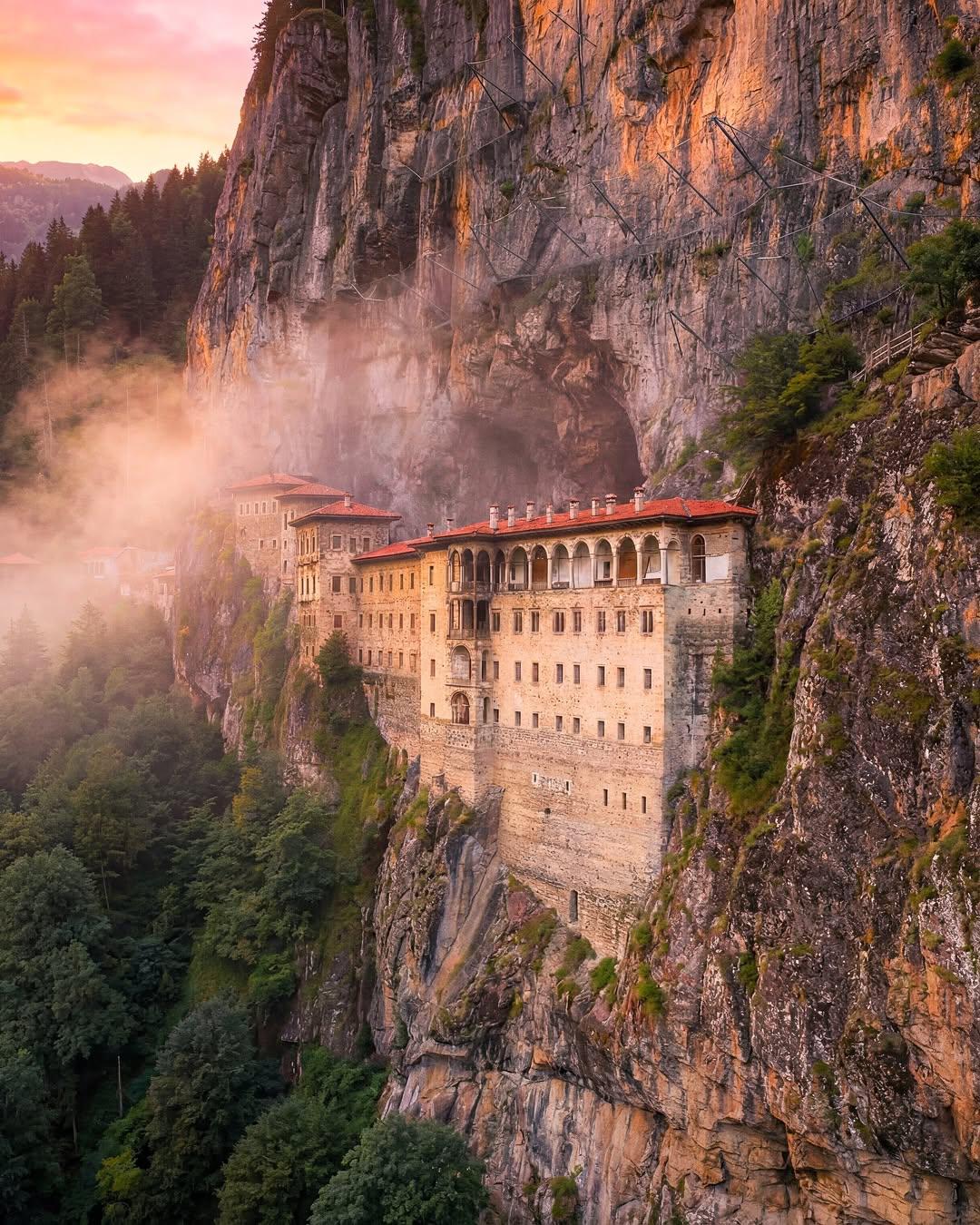
TÜRK TARİH KURUMU
Ankara
Turgut Cansever and Ertur Yener demonstrated that modern institutional architecture in Ankara did not have to mean anonymous internationalism. Mass, material, light and inward-looking space create a modern building deeply conscious of architectural memory.
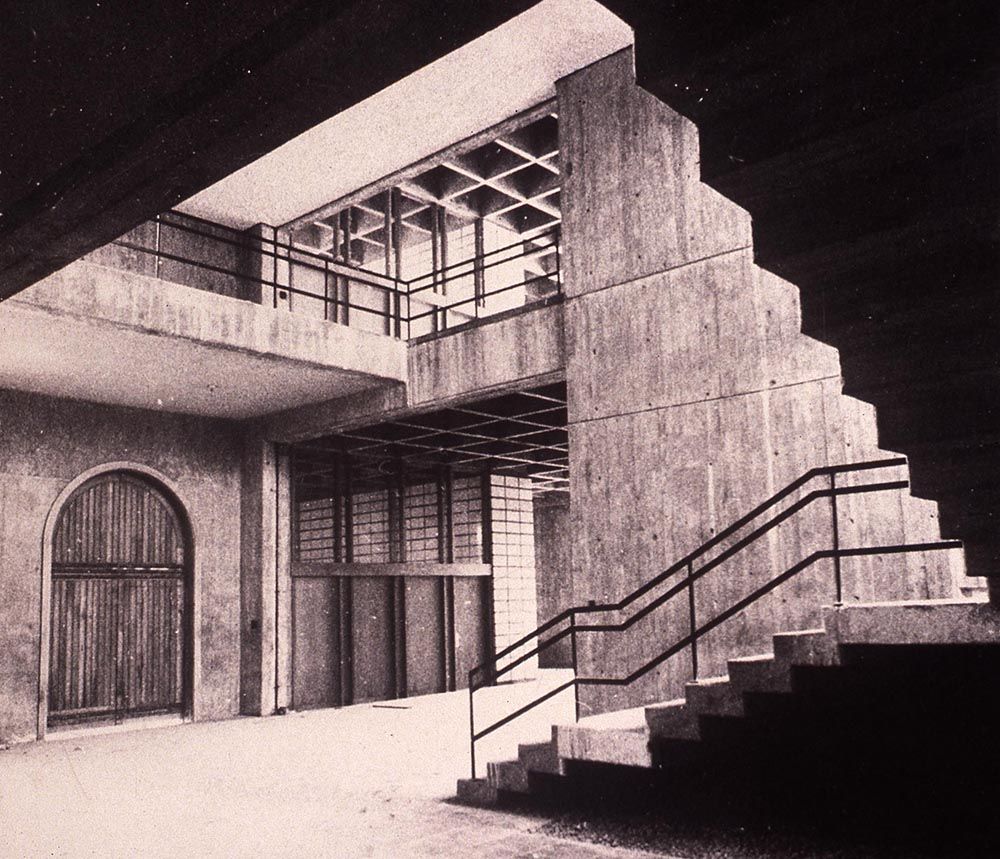
HAYDARPAŞA GARI
İstanbul
For generations arriving by rail from Anatolia, Haydarpaşa was not merely a station but the architectural announcement of İstanbul. Its waterfront position turns transportation infrastructure into one of the city’s great urban thresholds.
CELSUS KÜTÜPHANESİ
Ephesus, İzmir
The reconstructed façade is famous, but its significance lies in the idea behind it: knowledge given civic monumentality. At Ephesus, a library could participate in the theatre of the Roman city almost like a temple.
AMCAZADE HÜSEYİN PAŞA YALISI
İstanbul
One of the rare surviving fragments of early Ottoman waterfront domestic architecture, the Amcazade Yalısı reminds us that the Bosphorus was once lined not only by palaces but by an entire architectural culture built around water.
İSTANBUL MANİFATURACILAR ÇARŞISI — İMÇ
İstanbul
İMÇ attempted something unusually ambitious: inserting a vast modern commercial complex into the historic peninsula without pretending to be historical. Streets, terraces, courtyards and works of art transform the project into an urban structure rather than a conventional shopping block.
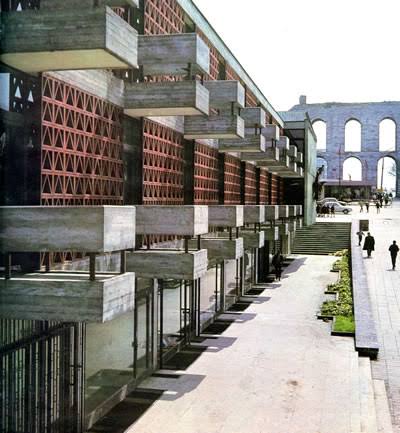
İSHAK PAŞA SARAYI
Doğubayazıt, Ağrı
Set against one of Anatolia’s most dramatic landscapes, the palace brings ceremonial rooms, courtyards, religious space, defence and domestic life together within a composition whose influences refuse a simple stylistic label.
TBMM CAMİİ
Ankara
Behruz and Can Çinici deliberately rejected the expectation that a mosque must announce itself through a conventional dome and minaret. Embedded into the landscape, the building uses light, topography and an extraordinary glass qibla wall to rethink the architecture of worship.
RÜSTEM PAŞA CAMİİ
İstanbul
Raised above the commercial life of Eminönü, Sinan’s relatively compact mosque contains one of the most intense encounters with İznik tilework in Ottoman architecture. Urban constraint becomes architectural concentration.
SSK ZEYREK TESİSLERİ
İstanbul
Sedad Hakkı Eldem answered a difficult historic neighbourhood not with imitation but with scale. The complex breaks institutional architecture into smaller masses that negotiate slope, street and the domestic fabric of Zeyrek.
KAPALIÇARŞI
İstanbul
The Grand Bazaar is architecture accumulated rather than composed in a single moment. Streets become corridors, trades become neighbourhoods and commercial exchange produces a covered city within the city.
SOKULLU MEHMET PAŞA CAMİİ
İstanbul
A constrained and sloping urban site becomes an advantage in Sinan’s hands. Levels, courtyard and prayer hall are carefully stitched into the surrounding city while İznik tiles intensify the interior.
YEREBATAN SARNICI
İstanbul
One of İstanbul’s most memorable interiors was built not for spectacle but for water. Rows of reused columns create an underground infrastructure whose accidental beauty now competes with many purpose-built monuments above it.
BOTTER APARTMANI
İstanbul
A residence and fashion house became one of İstanbul’s most important encounters with Art Nouveau. Its façade shows how quickly late Ottoman Beyoğlu could absorb an international architectural language and make it part of the street.
ÇATALHÖYÜK
Çumra, Konya
Here the city appears without conventional streets. Houses were packed against one another and movement occurred largely across roofs, forcing us to reconsider basic distinctions between dwelling, neighbourhood, wall and circulation.
ŞEMSİ PAŞA CAMİİ
Üsküdar, İstanbul
Small enough to be understood almost at once and perfectly placed beside the Bosphorus, Sinan’s complex demonstrates that architectural authority does not require enormous scale.
BURSA ULU CAMİİ
Bursa
Its field of multiple domes creates a very different kind of congregational space from the great centralized Ottoman mosques that followed. The interior feels less like a single room beneath one dominant dome than a covered civic landscape.
DOLMABAHÇE SARAYI
İstanbul
The Ottoman court turned decisively toward the Bosphorus here. Ceremonial scale, European architectural languages and imperial representation meet in a palace whose extraordinary waterfront façade was designed to be read from the water.
GALATA KULESİ
İstanbul
Few buildings demonstrate the power of verticality in İstanbul more clearly. The medieval tower has outlived the defensive and commercial world that produced it to become one of the primary orientation points of the modern city.
DİL VE TARİH-COĞRAFYA FAKÜLTESİ
Ankara
The new capital needed institutions as much as monuments. Bruno Taut’s faculty building gave higher education a strong public presence while demonstrating how European modern architecture was being adapted to Ankara’s emerging civic identity.
BÜYÜK POSTANE
İstanbul
Communication infrastructure became civic architecture. The monumental post office gave the everyday systems of letters, telegraph and administration a public face suited to the final decades of an empire negotiating modernity.
KARİYE
İstanbul
Architecture, mosaic and fresco are inseparable here. Relatively intimate spaces produce some of the most extraordinary surviving visual narratives of late Byzantine İstanbul.
MAĞLOVA SU KEMERİ
İstanbul
Sinan’s aqueduct demonstrates that infrastructure can possess the clarity of a monument without ceasing to be infrastructure. Water, engineering and landscape are resolved through an exceptionally disciplined stone structure.
MİLLİ REASÜRANS
İstanbul
Rather than sealing itself off as a corporate object, the complex creates passages and public relationships within dense Nişantaşı. Architecture becomes a way of giving part of a private development back to the city.
ODTÜ KAMPÜSÜ
Ankara
The Çinicis conceived the university not as isolated buildings scattered across land but as a continuous pedestrian environment. Landscape, concrete, art and circulation give the campus the coherence of a newly built piece of city.
II. BAYEZİD KÜLLİYESİ
Edirne
Mosque, medical care, education and social support existed within a single architectural world. The complex demonstrates how the Ottoman külliye could function simultaneously as monument and civic infrastructure.
BODRUM DEMİR EVLERİ
Bodrum, Muğla
Turgut Cansever’s housing asks how contemporary life might occupy the Aegean without reducing local architecture to picturesque imitation. Repetition gives way to variation, landscape and the individuality of each dwelling.
EŞREFOĞLU CAMİİ
Beyşehir, Konya
Its forest of timber columns makes the interior unlike almost any later imperial mosque. Wood, masonry and darkness preserve the spatial memory of medieval Anatolian hypostyle worship.
KARATEPE KAZI ALANI SAÇAKLARI
Kadirli, Osmaniye
One of Türkiye’s most intelligent lessons in archaeological conservation is almost deliberately quiet. The protective structures follow the irregular archaeological remains rather than forcing them beneath a new architectural geometry.
SALT GALATA / ESKİ OSMANLI BANKASI
İstanbul
Alexandre Vallaury’s 1892 Ottoman Bank building already contained multiple architectural identities. Its later transformation into SALT Galata added another layer, turning a monument to finance into a public institution for research, archives, exhibitions and debate.
SÜLEYMANİYE KÜLLİYESİ
İstanbul
Look beyond the mosque and another architectural idea appears. Education, welfare, food, medicine, burial and worship were organized across the hillside as a vast civic and religious system.
İSTANBUL KARA SURLARI
İstanbul
For centuries these walls determined where the city ended. Their towers, gates and layered defensive lines remain one of the clearest architectural records of Constantinople as a fortified imperial capital.
APOLLON TAPINAĞI, DİDİM
Didim, Aydın
Colossal columns and an unfinished state make the sanctuary unusually revealing. It allows visitors to read not only the ambition of ancient monumental architecture but something of the process by which that ambition was constructed.
MİHRİMAH SULTAN CAMİİ
İstanbul
In Sinan’s architecture, structure repeatedly becomes a means of controlling light. Mihrimah Sultan’s mosque is remembered precisely because masonry and openings are made to produce an unexpectedly luminous sacred interior.
TAUT EVİ
İstanbul
Bruno Taut’s own house on the Bosphorus compresses a remarkably international architectural life into a domestic object. Modernism, local building culture and his interest in Japanese architecture coexist without resolving into a single style.
TÜRK DİL KURUMU BİNASI
Ankara
Cengiz Bektaş treated a public institution as more than bureaucratic floor area. Human scale, material and spatial relationships give the building a civic character appropriate to an institution concerned with language itself.
DİYARBAKIR KALESİ, SURLARI VE HEVSEL BAHÇELERİ
Diyarbakır
Here architecture cannot be separated from landscape. Fortifications, the historic city, the Tigris and the cultivated Hevsel Gardens together form a cultural system built and reshaped across centuries.
SANCAKLAR CAMİİ
Büyükçekmece, İstanbul
Instead of competing with the skyline, the mosque descends into the earth. Emre Arolat’s design strips away much of the familiar iconography of mosque architecture to concentrate attention on direction, shadow, material and communal prayer.
AKDAMAR KİLİSESİ
Lake Van
Set on an island and surrounded by an immense landscape, the medieval Armenian church is remarkable not only for its architecture but for the carved narrative reliefs that turn the exterior walls into a dense field of images.
YEŞİL CAMİİ
Bursa
Architecture and surface become difficult to separate. Tile, stone carving, calligraphy and spatial composition make the mosque one of the most concentrated expressions of early Ottoman court culture.
EFES ANTİK KENTİ
Selçuk, İzmir
Ephesus is most valuable when read not as a collection of photogenic monuments but as a city. Streets, houses, baths, temples, commercial buildings, theatre and infrastructure reveal architecture as an interconnected urban system.
BÜYÜKADA ANADOLU KULÜBÜ
Büyükada, İstanbul
Turgut Cansever and Abdurrahman Hancı’s addition to the island’s existing club buildings demonstrates a quieter strand of Turkish modernism: cosmopolitan, recreational and attentive to an already established place rather than determined to overwrite it.
İSTANBUL ÜNİVERSİTESİ FEN VE EDEBİYAT FAKÜLTELERİ
İstanbul
University architecture became part of the project of remaking the modern city. The complex belongs to a generation of institutional buildings attempting to give the expanding Republic an architectural language for knowledge and public education.
ANİ
Kars
Once a major medieval city, Ani now survives through fragments scattered across an exposed plateau. Churches, walls and other structures reveal an architectural culture shaped by Armenian, Georgian, Byzantine, Seljuk and wider regional worlds.
ÇİFTE MİNARELİ MEDRESE
Erzurum
Its monumental twin-minaret façade announces education through architecture. Stone carving and powerful geometric composition transform the entrance into one of medieval Anatolia’s most recognizable urban images.
TÜRKİYE BÜYÜK MİLLET MECLİSİ
Ankara
Clemens Holzmeister’s parliament turns representation into physical form. Processional space, controlled monumentality and the relationship between assembly rooms and state ceremony make the building central to the architecture of Republican Ankara.
ANKARA GARI VE GAZİNOSU
Ankara
Railways were among the strongest physical symbols of the early Republic. The station ensemble gave arrival in the new capital an architectural identity grounded in movement, modern infrastructure and a new kind of urban life.
SANTRALİSTANBUL
İstanbul
The former Silahtarağa power station demonstrates what industrial heritage can become when demolition is not the first instinct. Machinery, existing structures, education and contemporary cultural programs occupy the same industrial landscape.
BÜYÜKADA RUM YETİMHANESİ
Büyükada, İstanbul
Its vast timber body dominates the island landscape even in abandonment. The building is at once an architectural achievement and a warning: cultural significance does not guarantee physical survival.
SULTANHANI KERVANSARAYI
Aksaray
Architecture once made long-distance travel possible through protection, rest and exchange. Sultanhanı monumentalizes that infrastructure, turning the practical needs of the caravan route into one of Seljuk Anatolia’s most powerful architectural types.
ARTEMİS TAPINAĞI
Ephesus, İzmir
Very little of one of antiquity’s most celebrated temples now rises above ground. Its place in the ranking is therefore also about absence: architecture can shape cultural memory long after most of its physical form has disappeared.
ŞEYH ZAFİR TÜRBESİ VE KİTAPLIĞI
İstanbul
Raimondo D’Aronco showed that late Ottoman architecture could absorb Art Nouveau without simply importing it. The small religious complex translates an international design language into an unusually delicate İstanbul form.
AFRODİSYAS
Karacasu, Aydın
The city is inseparable from sculpture. Architecture, stoneworking and an exceptional sculptural tradition combine to make Aphrodisias one of the clearest places to understand how art and urban space supported one another in the ancient world.
AHLAT SELÇUKLU MEZARLIĞI
Ahlat, Bitlis
A cemetery becomes a landscape of architecture. Tall carved tombstones and monumental tomb structures give memory a physical presence across the plateau rather than containing it within a single building.
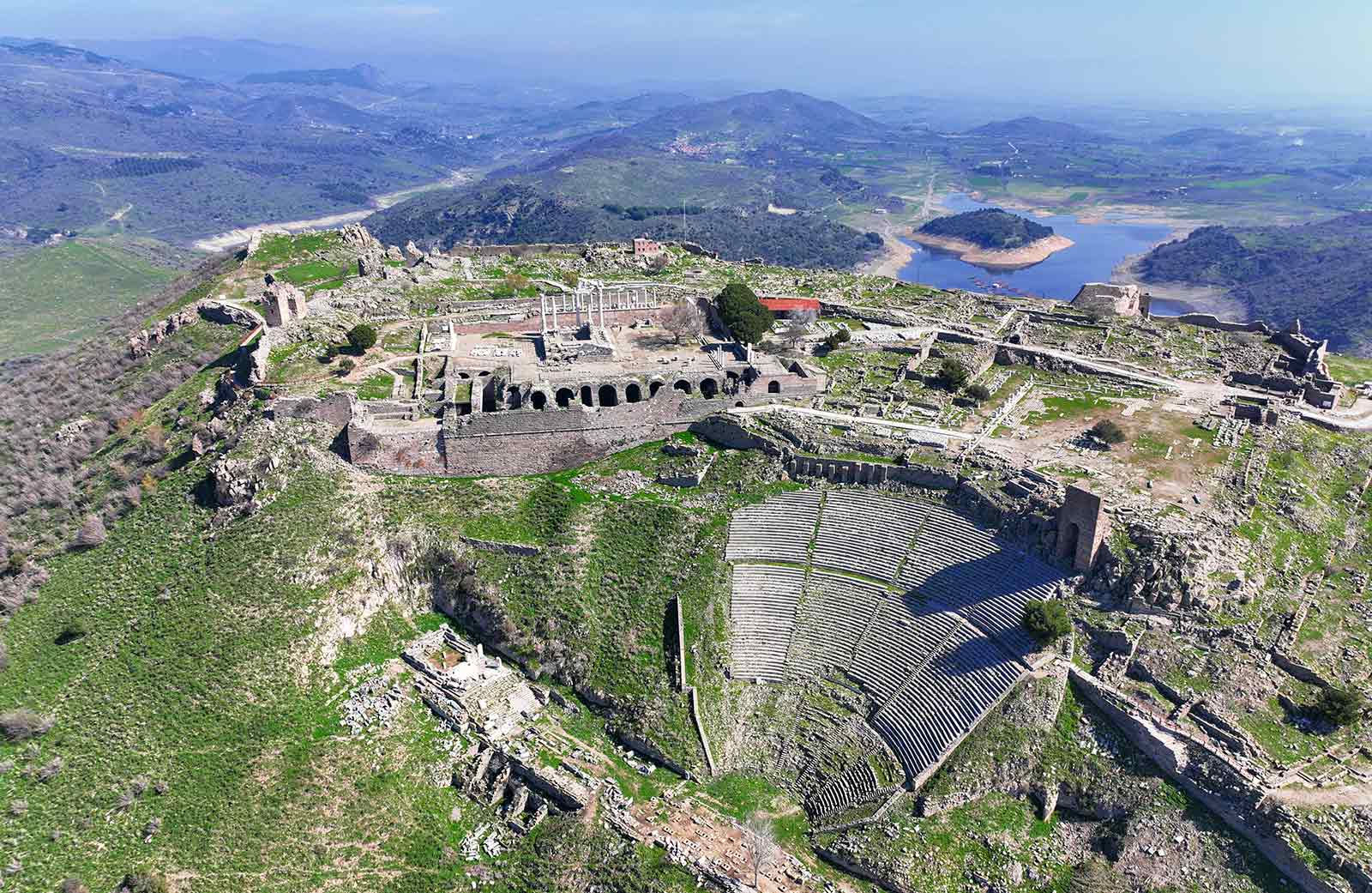
BERGAMA TİYATROSU
Bergama, İzmir
The theatre seems less placed on the mountain than cut out of it. Its extraordinary steepness turns topography into architecture and makes the landscape beyond the stage part of the spectator’s experience.
TAŞKIŞLA
İstanbul
Originally conceived for military use, the monumental nineteenth-century building has repeatedly changed function. Its later life as part of İstanbul Technical University demonstrates how robust architecture can absorb identities its designers never anticipated.
İŞ BANKASI ESKİ GENEL MÜDÜRLÜK BİNASI
Ankara
Corporate modernism became part of Ankara’s changing skyline as finance and administration acquired new architectural forms. The building belongs to the moment when the capital began growing decisively upward.
NEMRUT DAĞI ANTIOCHOS ANIT MEZARI
Adıyaman
Architecture here extends into landscape, sculpture and ritual. Colossal figures, terraces and an artificial summit created for Antiochos I make the mountain itself part of the monument.
SERGIOS VE BAKHOS / KÜÇÜK AYASOFYA
İstanbul
Built in the early Byzantine period, the church offers a more intimate counterpart to the monumental architecture associated with Justinianic Constantinople. Its later conversion also places it within İstanbul’s long history of reused sacred space.
DEYRÜLZAFARAN MANASTIRI
Mardin
The monastery belongs as much to the cultural landscape of Tur Abdin as to a single architectural period. Stone, courtyards and sacred spaces record the continuity of Syriac Christian life across extraordinary stretches of time.
SAGALASSOS
Ağlasun, Burdur
Its mountain setting makes every piece of urban architecture feel topographical. Streets, fountains, baths, theatre and public buildings reveal a prosperous ancient city adapting monumental urban life to difficult terrain.
MİMAR VEDAT TEK EVİ
İstanbul
An architect’s own house is often a manifesto in miniature. Vedat Tek’s residence makes questions of national architectural identity, craft, ornament and modern domesticity intensely personal.
RUMELİHİSARI
İstanbul
Built for a specific geopolitical purpose at an extraordinary speed, the fortress translates control of the Bosphorus directly into walls, towers and topography. Few İstanbul buildings explain their reason for existing so immediately.
HATTUŞA
Boğazkale, Çorum
The Hittite capital demonstrates city-making at the scale of territory. Fortification walls, gates, temples and monumental landscape transform an Anatolian plateau into the political architecture of an empire.
HUKUKÇULAR SİTESİ
İstanbul
Apartment living became an architectural laboratory in post-war İstanbul. Hukukçular Sitesi represents a generation asking how density, collective life, views and modern construction could reshape the domestic city.
ANKARA SERGİ EVİ
Ankara
Few buildings reveal the ideological instability of architecture as clearly. Conceived as a modern exhibition hall and later transformed into an opera house, its biography contains an argument about what the young capital wanted modern architecture to look like.
ÇAKIRAĞA KONAĞI
Birgi, İzmir
Domestic architecture becomes an interior world of timber, painted surfaces and carefully differentiated rooms. The house preserves a remarkably rich picture of elite Aegean life before modern apartment culture changed the meaning of home.
PRİENE APOLLON TAPINAĞI
Priene, Aydın
Listed under this name in the original jury survey, the work forms part of the extraordinary ancient architectural landscape around Priene — a place where monument, rational urban planning and steep topography continually confront one another.
ORTAKÖY CAMİİ
İstanbul
The mosque turns worship into part of the Bosphorus stage. Nineteenth-century Ottoman baroque language, large windows and an unusually exposed waterfront position make its silhouette inseparable from the strait.
B2 EVİ
Ayvacık, Çanakkale
Han Tümertekin’s B2 House is radically simple but not placeless. Local materials and techniques meet an uncompromisingly contemporary form, demonstrating how modern architecture can enter a village landscape without copying it.
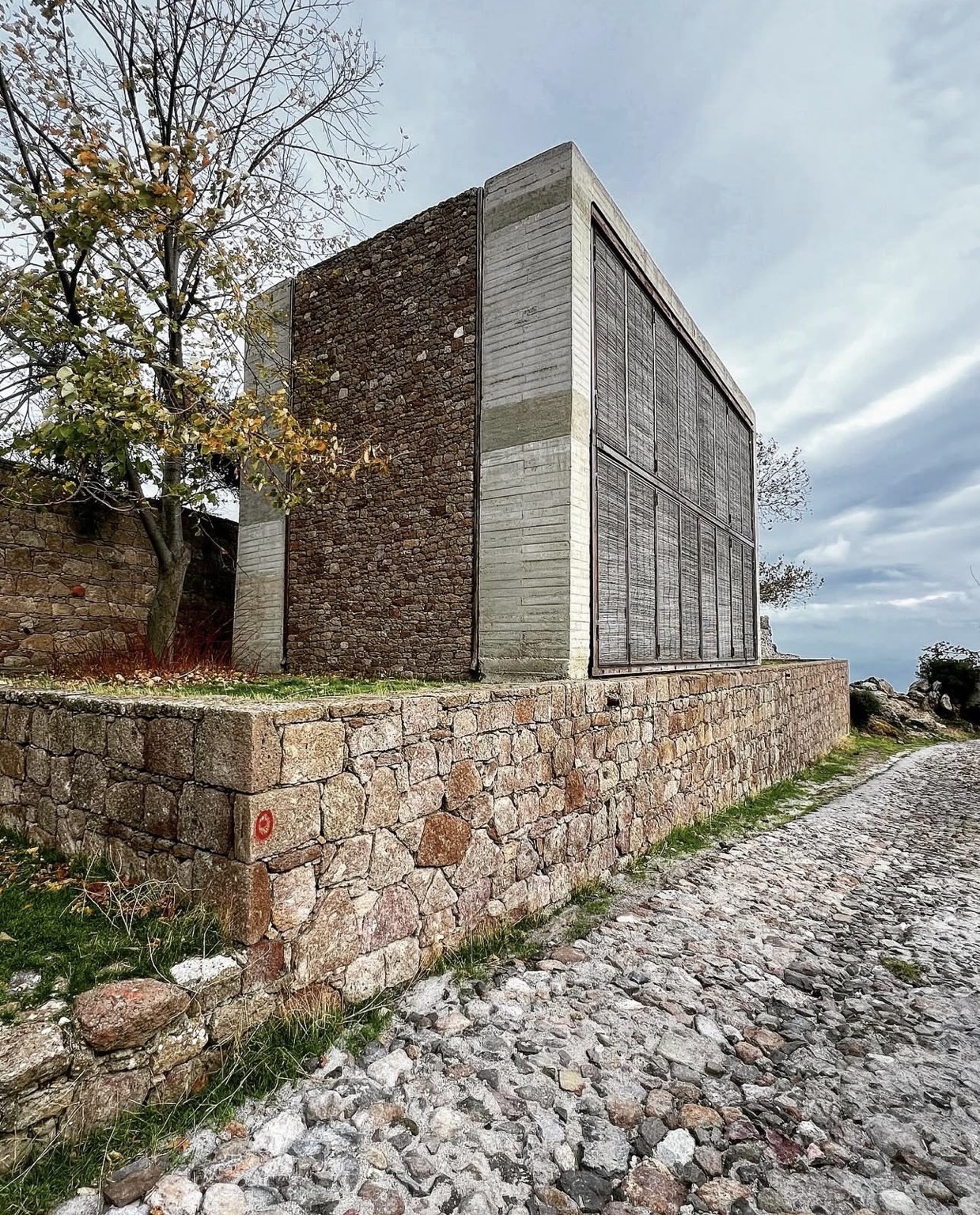
BERGAMA ANTİK KENTİ
Bergama, İzmir
Pergamon is architecture organized by geology. Palaces, sanctuaries, theatre and terraces occupy the acropolis through an extraordinary negotiation with slope, producing one of antiquity’s most dramatic vertical cities.
HARRAN KUBBELİ EVLERİ
Harran, Şanlıurfa
The conical houses demonstrate vernacular intelligence produced through climate, available material and accumulated local knowledge. Their importance lies precisely in the absence of the individual architectural author.
FENER RUM PATRİKHANESİ / RUM LİSESİ / BALAT RUM OKULU
Fener & Balat, İstanbul
Rather than a single object, the entry reads as an institutional landscape. Religious, educational and communal buildings preserve the architectural presence of İstanbul’s Greek Orthodox history within the dense city.
İSTANBUL HILTON OTELİ
İstanbul
The arrival of the Hilton announced a different Türkiye to the post-war world: international, urban and increasingly connected to global tourism. Its architecture became a landmark in the country’s transition toward mid-century modernism.
AMANRUYA
Bodrum, Muğla
Designed by Emine and Mehmet Öğün, Amanruya searches for continuity with Aegean and Ottoman building traditions without turning the resort into a theatrical reproduction of the past. Landscape, masonry and carefully sequenced open spaces do most of the work.
BERGAMA ZEUS ALTARI
Bergama, İzmir
The altar is also a story about the displacement of architecture. Its archaeological site remains in Pergamon while much of the monumental sculptural ensemble is associated today with Berlin, making absence part of how the work is encountered in Türkiye.
ŞEHZADE CAMİİ
İstanbul
One of Sinan’s major early imperial mosques, Şehzade already contains the architect’s lifelong preoccupation with the central dome, structural hierarchy and the relationship between mosque and surrounding urban complex.
SAFRANBOLU EVLERİ
Safranbolu, Karabük
Their significance lies in the ensemble. Streets, gardens, timber-framed houses, service spaces and the geography of family life collectively preserve an urban domestic culture rather than a collection of isolated picturesque houses.
KIZ KULESİ
İstanbul
Tiny in relation to the city around it, the Maiden’s Tower demonstrates how position can outweigh size. Its meaning comes from standing alone in the Bosphorus and accumulating stories, functions and myths across centuries.
NURUOSMANİYE CAMİİ
İstanbul
The familiar grammar of the imperial Ottoman mosque begins to move in different directions here. Curving forms and baroque influences announce a court culture increasingly comfortable with transforming architectural conventions rather than simply repeating them.
SULTANAHMET CAMİİ VE KÜLLİYESİ
İstanbul
Few buildings occupy a more demanding urban position. Facing Ayasofya across the historic centre, the mosque and its six minarets inserted seventeenth-century Ottoman imperial architecture directly into a landscape already saturated with monuments.
CUMHURBAŞKANLIĞI KÖŞKÜ
Çankaya, Ankara
Clemens Holzmeister’s presidential residence gave the new Republic a form of official domestic architecture distinct from the Ottoman palace. Restrained monumentality and modern planning replace the theatrical scale normally associated with sovereign residence.
AYA İRİNİ
İstanbul
Within the Topkapı precinct survives one of İstanbul’s most important early Christian buildings. Its comparatively restrained interior allows the architecture itself — volume, masonry and historical layering — to remain unusually legible.
AHMET ERTEGÜN EVİ
Bodrum, Muğla
Turgut Cansever preserved two historic houses and inserted a clearly contemporary intervention rather than manufacturing a false historical unity. The project became an influential argument for conservation through dialogue instead of imitation.
PRİENE ANTİK KENTİ
Aydın
Priene remains one of the clearest places to experience the relationship between an ancient planned city and difficult topography. A rational street grid meets a steep mountainside without eliminating the power of the landscape.
ÇERKEZKÖY ATK LOJMANLARI
Çerkezköy, Tekirdağ
Han Tümertekin treated workers’ housing as architecture worthy of a distinctive identity. Two curved residential masses deliberately resist the anonymous industrial environment surrounding them.
KILIÇ ALİ PAŞA CAMİİ
Tophane, İstanbul
Sinan’s mosque complex inserts religious, educational and social architecture into the busy waterfront district of Tophane. Its disciplined composition demonstrates how the classical Ottoman mosque could remain monumental without becoming isolated from urban life.
RIZA DERVİŞ VİLLASI
Büyükada, İstanbul
Sedad Hakkı Eldem’s waterfront house shows another side of the architect often associated with the study of the traditional Turkish house. Concrete, openness and the relationship between interior and sea produce an unmistakably modern domestic architecture.
ÜSKÜDAR ŞEMSİ PAŞA KÜLLİYESİ
Üsküdar, İstanbul
The ranking ends not with a colossal monument but with one of Sinan’s smallest and most precise urban ensembles. Mosque, tomb, madrasa, sea and city edge are compressed into architecture whose strength comes from exact placement rather than size.
READ ACROSS THE RANKING
The ranking becomes more interesting when its numbers are ignored.
Read Göbeklitepe, Çatalhöyük, Hattuşa and Harran together and architecture becomes a story about communities learning how to inhabit Anatolia.
Read Yerebatan, Mağlova and the İstanbul walls together and infrastructure becomes monument.
Read Divriği, Eşrefoğlu, Sultanhanı and Ahlat together and medieval Anatolia emerges as something far more architecturally diverse than a bridge between Byzantium and the Ottomans.
Read Selimiye, Süleymaniye, Şemsi Paşa and Kılıç Ali Paşa together and Sinan’s architecture becomes an investigation of scale rather than a recognizable style.
Read Florya, ODTÜ, Türk Tarih Kurumu, SSK Zeyrek and the Ertegün House together and twentieth-century Turkish modernism stops looking like a single imported language.
Read Karatepe, SALT Galata and Santralistanbul together and the question changes once more: perhaps architecture is not always about making a new object. Sometimes its most intelligent act is deciding how to stand beside something already there.
And read the entire list without trying to reconcile it.
That may be the most accurate architectural portrait of Türkiye.
A country where a Neolithic enclosure, an Armenian church, a Roman theatre, a Seljuk caravanserai, an Ottoman mosque, a modernist campus and a workers’ housing block can all belong to the same history without belonging to the same style.
ABOUT THE LIST
The ranking reproduces the order published in “Türkiye’deki En İyi 100 Mimari Eser”, a 2017 survey assembled by Hürriyet Pazar and later published by Arkitera. Its jury included approximately one hundred architects, architectural historians, academics and figures from Türkiye’s cultural life.
The original survey considered structures that were still physically present at the time. Conditions have changed since 2017; where necessary, BEINGTURKISH has noted subsequent alterations or loss.
Ranking: original 2017 jury survey. Context and editorial commentary: BEINGTURKISH Architecture Desk.
HOW TO USE THE LIST
Do not travel by rank.
Compare a cistern with an aqueduct. A caravanserai with a railway station. A Byzantine church with a modern mosque. A palace with a workers’ housing complex.
The architecture of Türkiye becomes most interesting when buildings separated by centuries are allowed to answer the same question:
What did architecture need to do here?