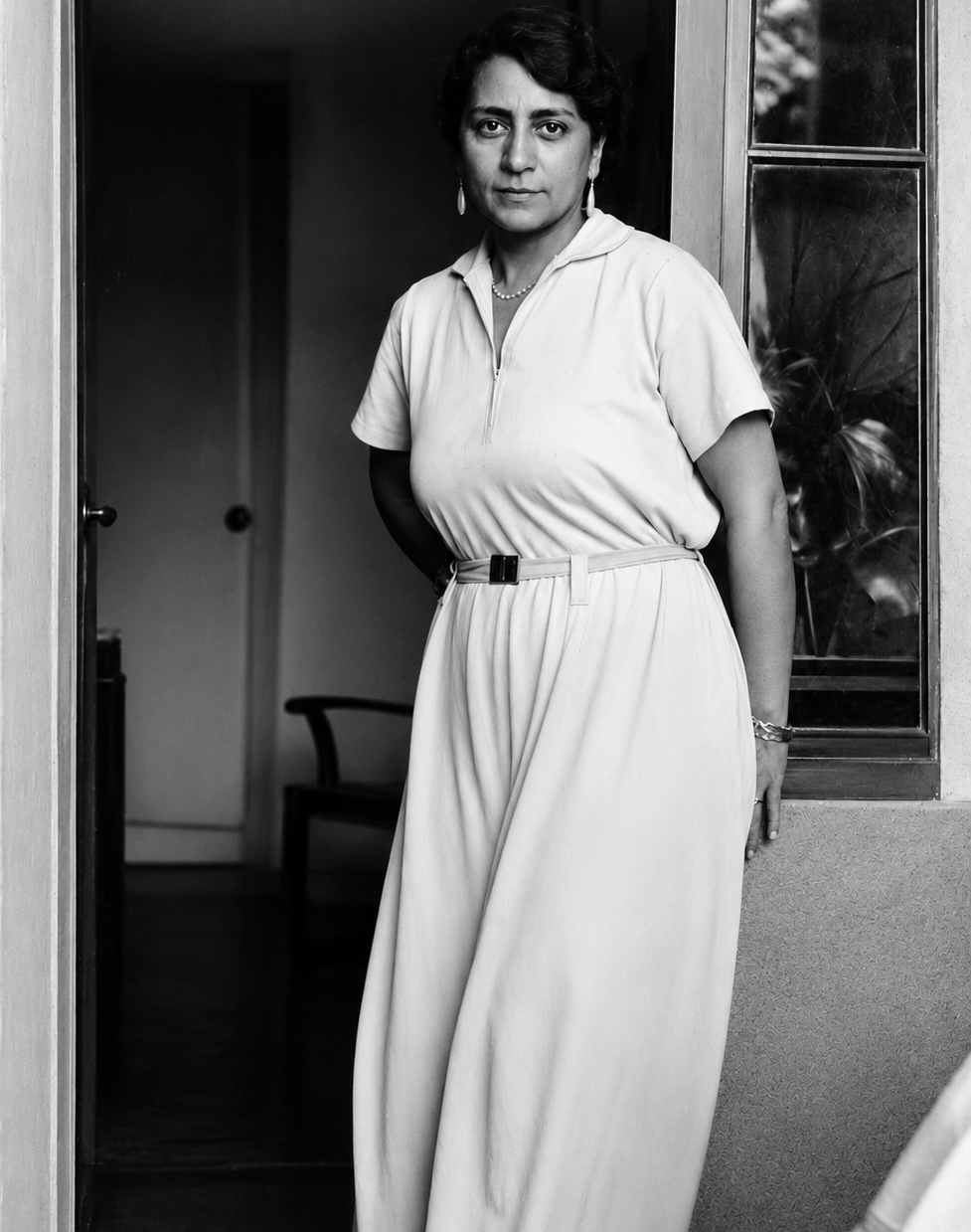
Safiye Ali was born in 1894 and educated at the American College for Girls. At a time when women were not admitted to medical education in the Ottoman capital, she studied medicine at the University of Würzburg with state support, qualified, and returned to İstanbul in the early 1920s.
A clinic and a public argument
Opening a practice did not settle the question of legitimacy. She worked in women’s and children’s health, taught, organised and confronted the assumption that a woman doctor should accept less authority—and less pay—than a man doing the same work.
The danger of the “first woman” label
“First” makes a clean headline and a lonely biography. Safiye Ali’s importance is not only that she crossed a threshold. It is that her career exposed the institution on the other side: who it admitted, who it trusted and what a woman was required to prove twice.
A pioneer is not evidence that the road was open. Often she is evidence of how firmly it was closed.