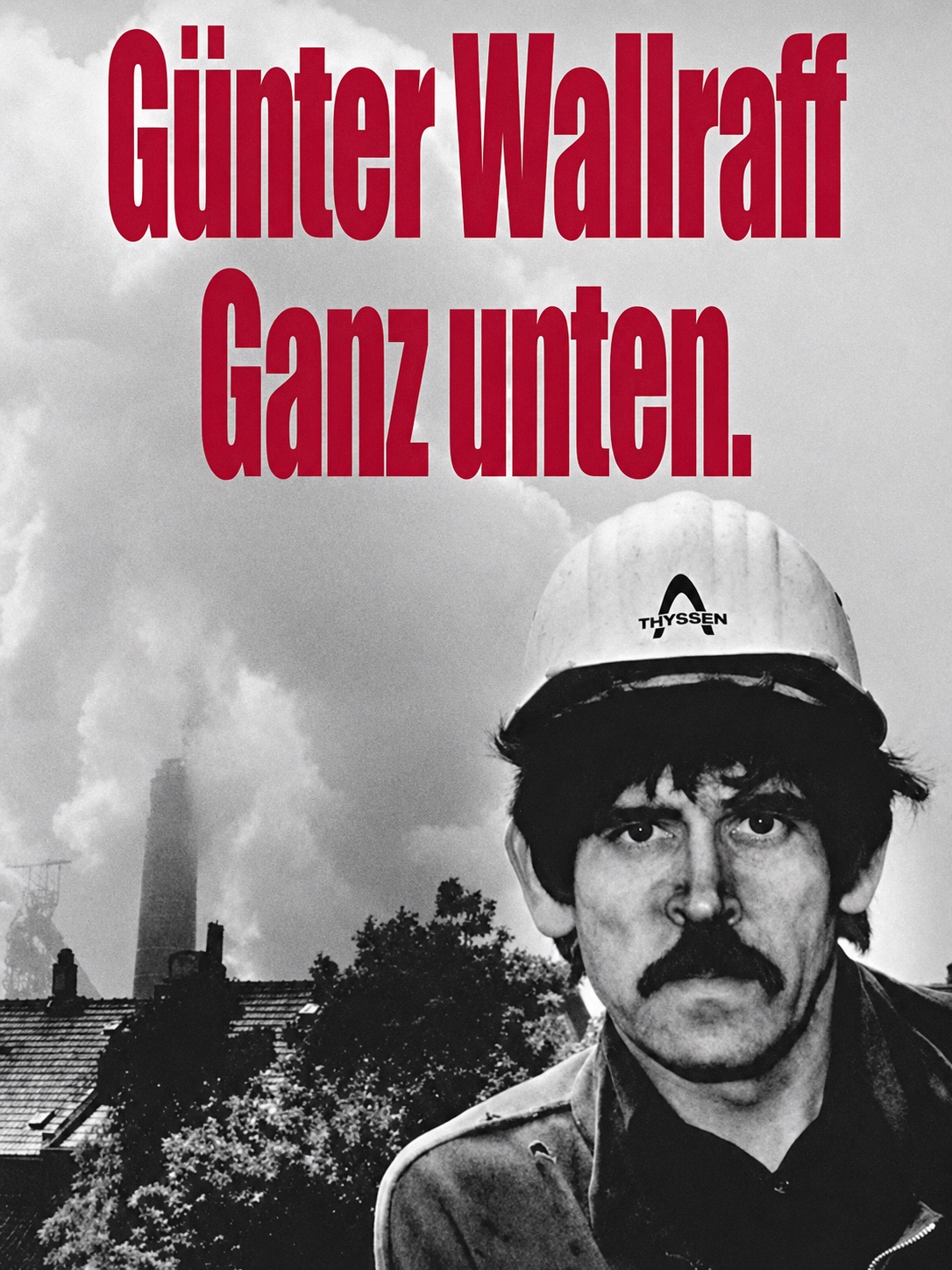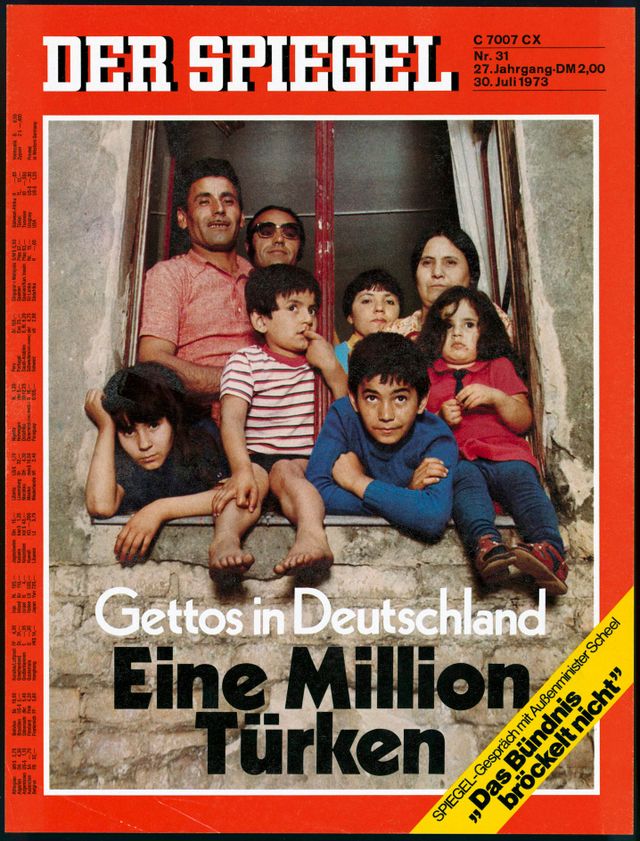
The word Gastarbeiter—guest worker—contained an entire mistake. It described labour as temporary and people as if they would remain visitors. West Germany’s recruitment agreement with Türkiye began in 1961; recruitment ended in 1973, but the lives formed around factories, train stations and workers’ hostels did not pack themselves away.
A room before a neighbourhood
The first geography was practical: a bed near the shift, a grocer who understood the ingredient, a café where news travelled faster than official letters. Permanence arrived without ceremony through school enrolments, family reunions, rented shopfronts and children who learned to move between languages without treating either as borrowed.
Migration history is often written as departure and arrival. Most lives happened in the long corridor between the two.
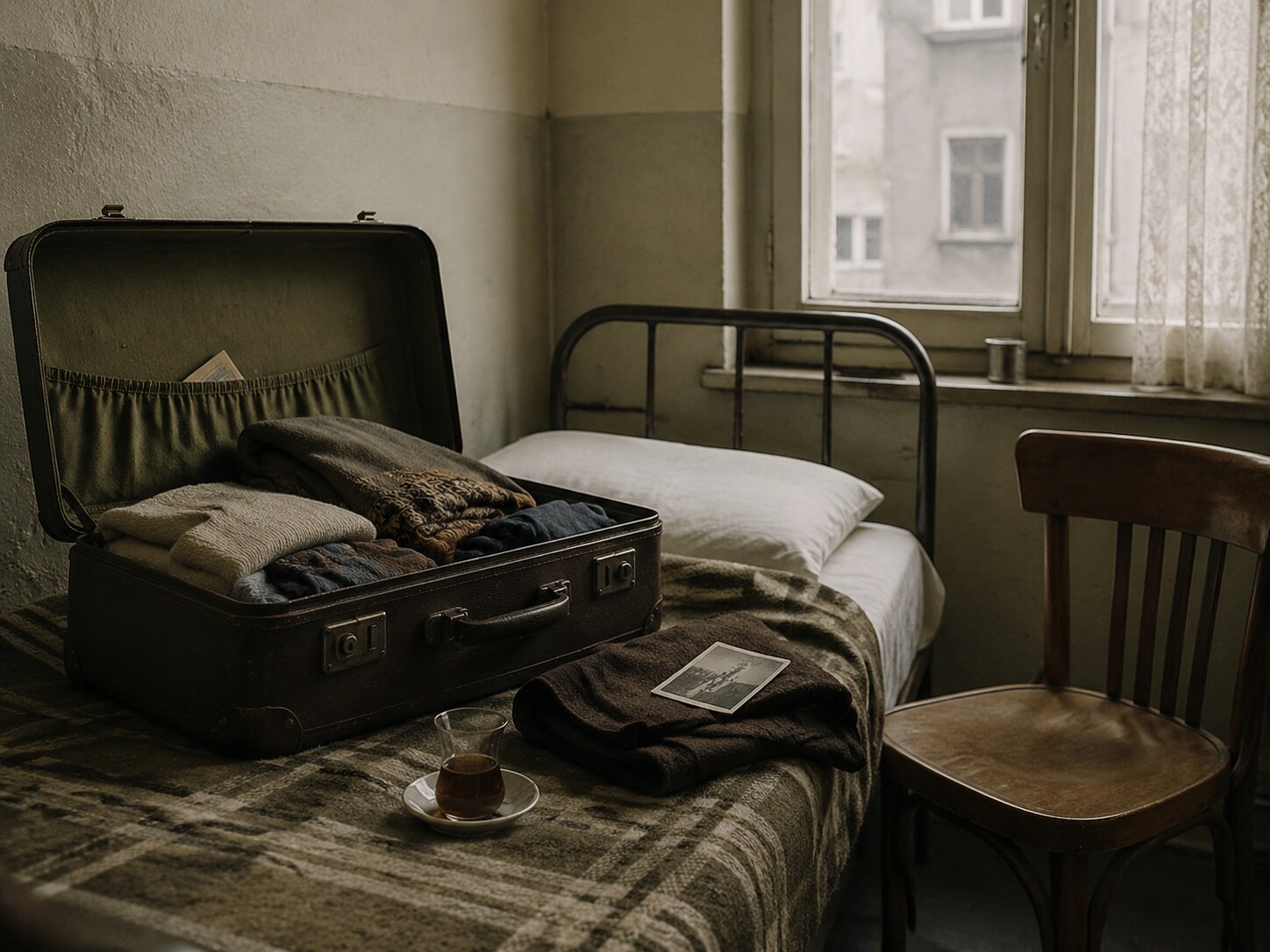
What the suitcase could not contain
Food, music and domestic objects became portable infrastructure. The tea glass, the pressure cooker, the cassette and the photograph did more than preserve a homeland. They helped produce a new cultural address—neither a replica of Türkiye nor a footnote to Germany.