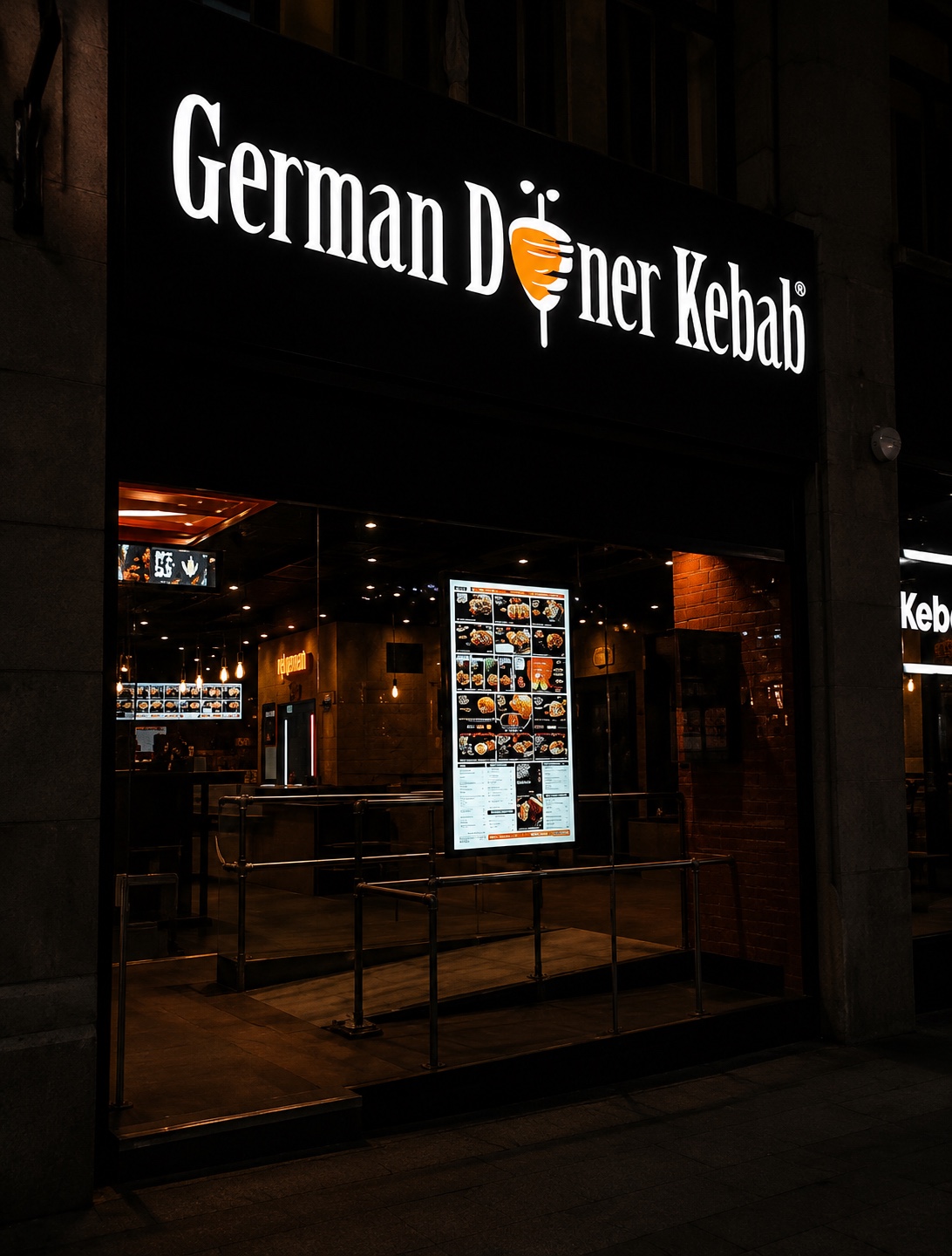
Döner entered European legal language when Türkiye’s application for EU recognition as a Traditional Speciality Guaranteed was published in April 2024. Germany objected. The dispute was reported as a culinary custody battle: if döner is Turkish, what becomes of the towering Berlin sandwich assembled through decades of migration, adaptation and local appetite?
The question looked simple because national menus train us to expect simple answers. Baklava is Turkish or Greek. Coffee is Turkish or Greek. Dolma belongs here or there. Yet the dishes themselves were formed in an Ottoman, Balkan, Caucasian, Levantine and Anatolian world whose routes are older than the borders now asked to certify them.
Origin is not a custody order. A dish can acquire a second homeland without losing the road from its first.
What protection actually protects
The EU’s Traditional Speciality Guaranteed scheme protects a traditional composition or method; unlike a geographical indication, it does not reserve production for one place. Türkiye’s specification addressed meat, slicing, marination and assembly. The legal question was therefore narrower than the headlines suggested: which preparations could carry the protected name “Döner”, and which modern variations would fall outside that definition?
The applicant withdrew the file on 23 September 2025, automatically ending the registration process. The EU did not rule that döner was German, nor did it reject the dish’s Turkish genealogy. There is simply no protection under that application. The unresolved cultural argument is more interesting than the aborted legal one.
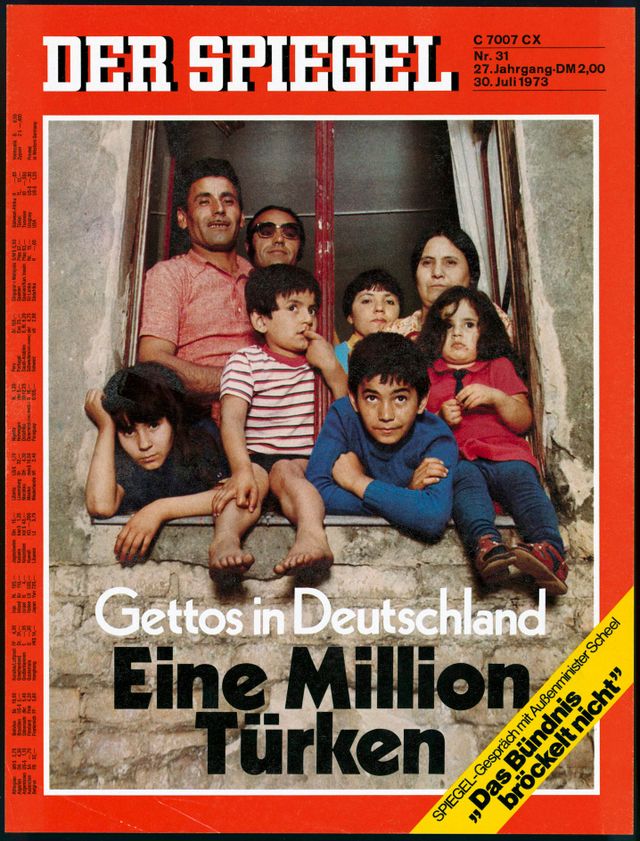
Germany’s opposition was not proof that the dish had ceased to be Turkish. It was an argument that Turkish migrants and their descendants had made döner integral to German food culture in forms a rigid specification might exclude. The Berlin döner is neither an ancient German invention nor a degraded Turkish original. It is a migrant work: an Anatolian technique translated for a different city, labour rhythm and street.
The false comfort of the national plate
Modern states often narrate food as if recipes developed inside sealed kitchens. They did not. Cooks moved through imperial households, ports, marriages, expulsions and markets. Ingredients followed trade and displacement. The same family of filled leaves, layered pastry, grilled meat or anise spirit acquired different names, ratios and rituals across several languages.
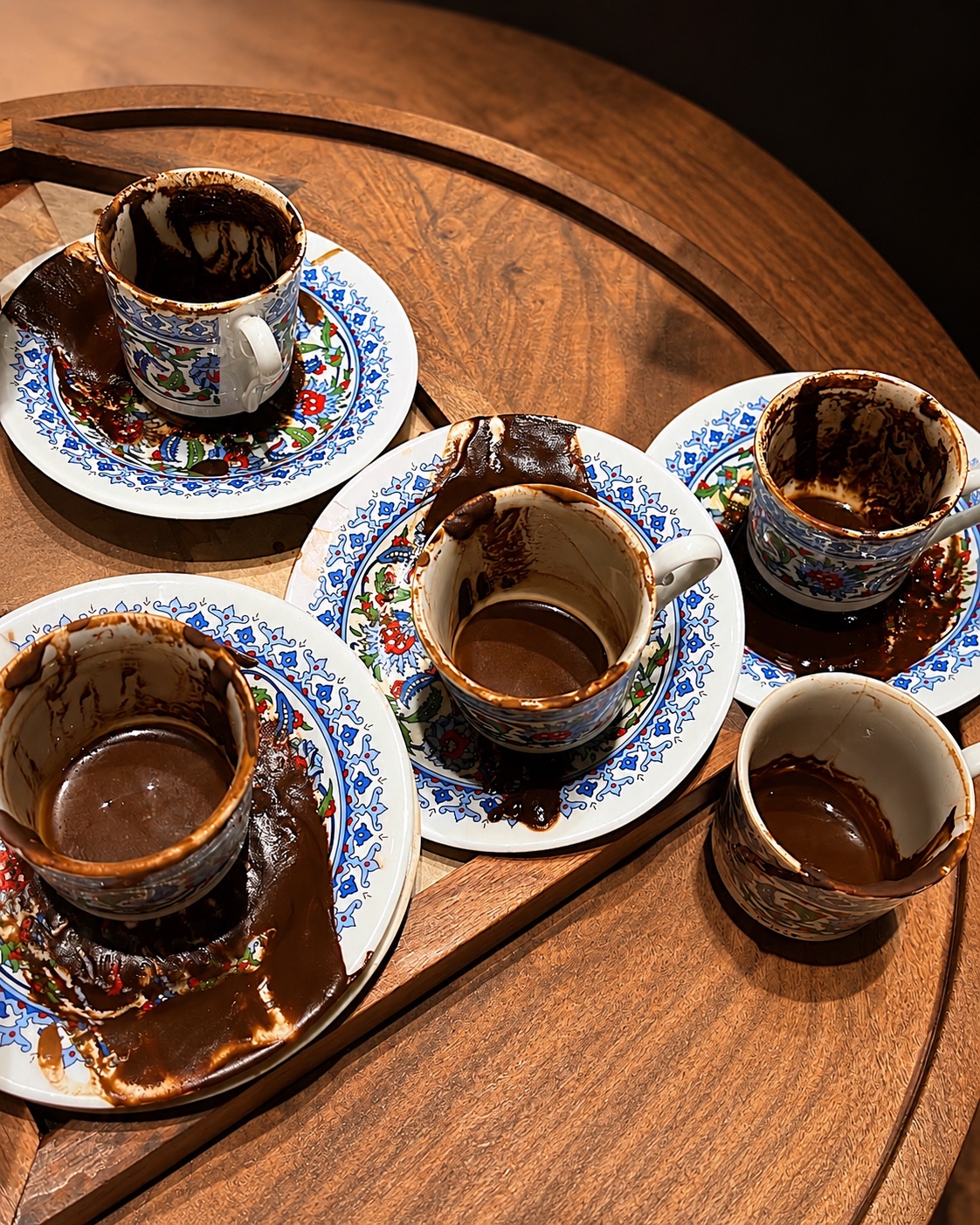
Acknowledging that shared geography does not make every claim equal. Coffee brewed in a cezve can be presented as a generic eastern Mediterranean curiosity even as Turkish, Greek, Bosnian, Armenian and Arab households maintain distinct traditions around it. The name has changed with politics and marketing; the method kept travelling.
UNESCO’s inscription of Turkish coffee is useful precisely because it recognises more than a liquid. It describes grinding, foam, cups, hospitality, conversation, engagements and the reading of grounds. Cultural identity resides in practice and transmission, not merely in the commodity.
Sharing is not erasure
The least interesting response is to place a flag in every tray of baklava. Culinary nationalism makes generous, mobile food anxious. It treats another community’s affection as theft and ignores the minorities, neighbours and migrants who shaped what the nation later called its own.
The opposite response—declaring all food borderless—is equally evasive. Power determines which name reaches supermarket shelves, whose migration becomes fashionable and whose labour is reduced to an anonymous “Mediterranean” aesthetic. When a menu removes Turkish or Anatolian history because the label feels commercially awkward, cosmopolitanism becomes a form of laundering.
The problem is not that others cook Anatolian food. It is that modern branding often erases the journey—and the people—who brought it there.
Name the route, not only the winner
A more adult vocabulary would allow several truths at once. Döner has Ottoman and Anatolian genealogies. The sandwich form associated with Berlin belongs to Germany’s Turkish migration history. Baklava has powerful Turkish traditions and a family tree extending across the former Ottoman world. Coffee names can mark real communal practices without turning a shared technique into evidence against a neighbour.
The task of criticism is not to announce the final owner. It is to restore specificity: who cooked, who migrated, who adapted, which city changed the form and which marketing campaign later made the route disappear.
Food can belong in more than one place. It cannot belong honestly without memory. The strongest Turkish claim is not “nobody else may touch this.” It is: “tell the whole story of how it reached your table.”