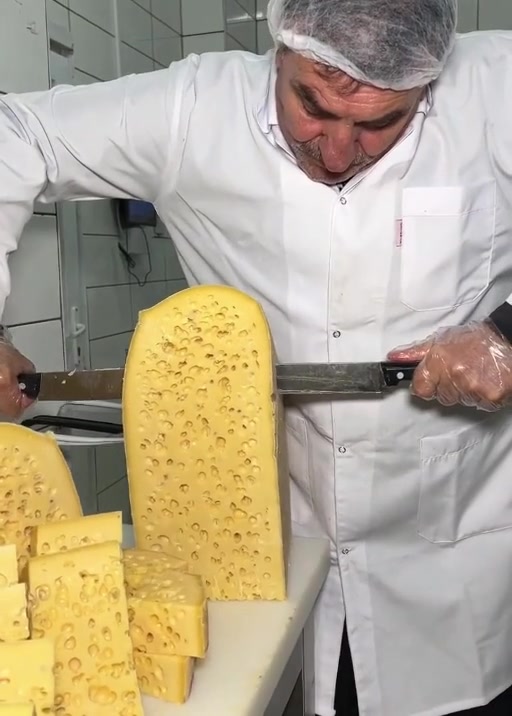
A single wheel of Kars gravyer takes about a tonne of milk. That is quite a commitment to a cheese. In Boğatepe, the village once known as Zavot, dairies were built among the highland pastures to bring all that milk together. The old name comes from the Russian word for factory; the cheesemaking tradition leads back to Switzerland. How did the two meet in an Anatolian village? The story begins in 1878.
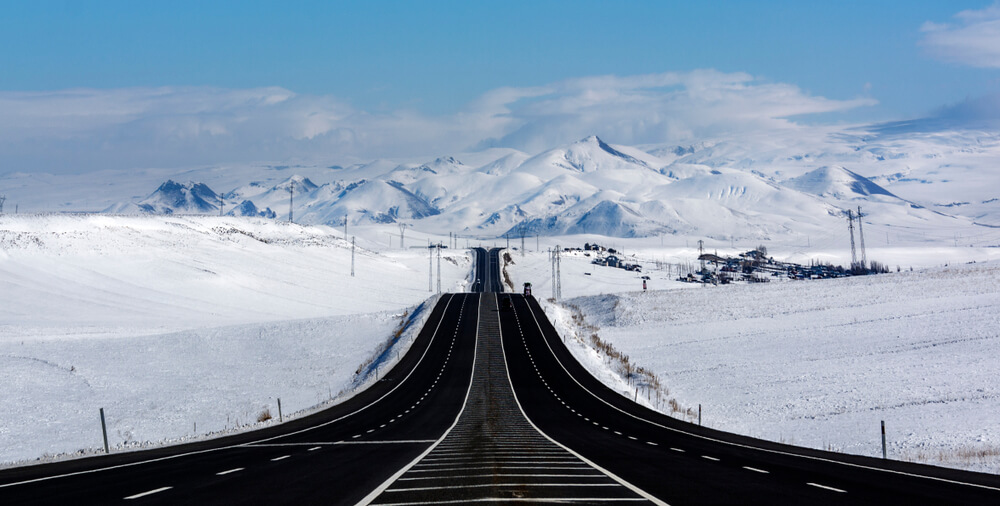
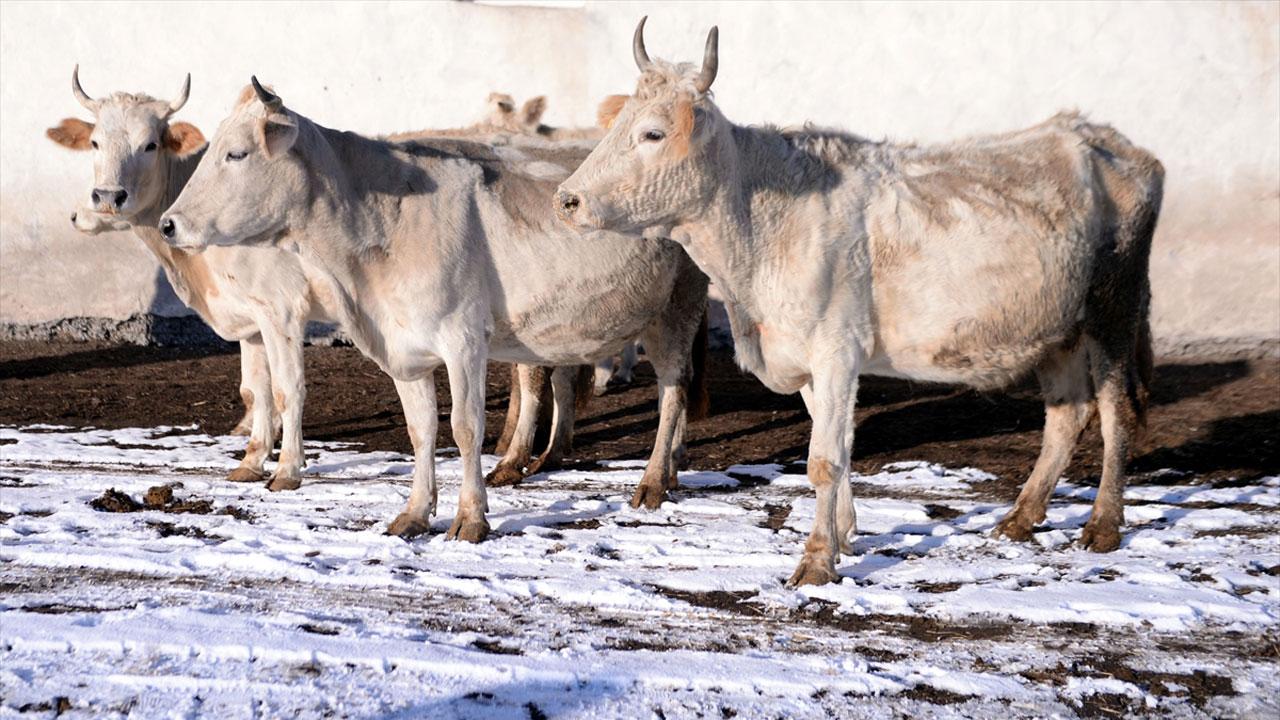
After the Russo-Turkish War, known in Türkiye as the War of ’93, Kars came under the rule of the Russian Empire. In those years, Swiss cheesemaking families were working in the South Caucasus. They had brought their cows, dairy equipment and knowledge of making cheese in large wheels from their own country. In the Kars highlands, the two things they were looking for came together. Herds grazed in flower-filled pastures, and plentiful milk from the surrounding villages could quickly be gathered in a single vat. Given that a single wheel of gravyer requires about a tonne of milk, it is easy to see why they built their dairies in the middle of the highlands.
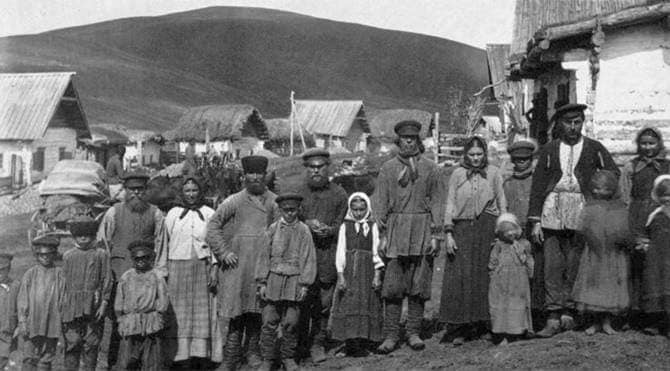
The Swiss cheesemaker David Moser is remembered as the craftsman who established Boğatepe’s first dairy. The official registration document for Kars gravyer dates the village’s first operation to 1890. The Molokans, a community of Russian origin who settled in the area, also played a part in livestock farming and cheese production. The work soon extended beyond a single village. By 1910, there were 32 dairies making Swiss-style cheese within the present-day boundaries of Kars and Ardahan. The cheeses made in the highlands travelled by rail to the cities of the Russian Empire.
The First World War, followed by the 1917 Revolution and the wars that continued in the region, broke this system apart. Most of the cheesemakers left, and the dairies stood empty. Then, in the 1920s and 1930s, Karapapak families, also known as Terekeme, who had migrated from the Caucasus to Kars reopened some of these dairies. Among them were people who had previously worked alongside Swiss cheesemakers, and had even formed partnerships with them. When they entered the empty dairies, they knew how to use the vats. By the 1930s, most of the gravyer they made in Kars was crossing the border again, this time to be sold to the Soviet Union.
Gravyer came close to disappearing once again. From the 1970s onwards, people began leaving the villages. As kaşar, which could be made with less milk, became more widespread, the gravyer dairies closed one by one. In 2002, the cheesemaker İlhan Koçulu returned to his village and led the revival of gravyer production in Boğatepe. The association they founded together with the women of the village also restored the old communal dairy through a collective effort, turning it into a cheese museum. Today, the village’s old name is written above its door: Ekomüze Zavot.
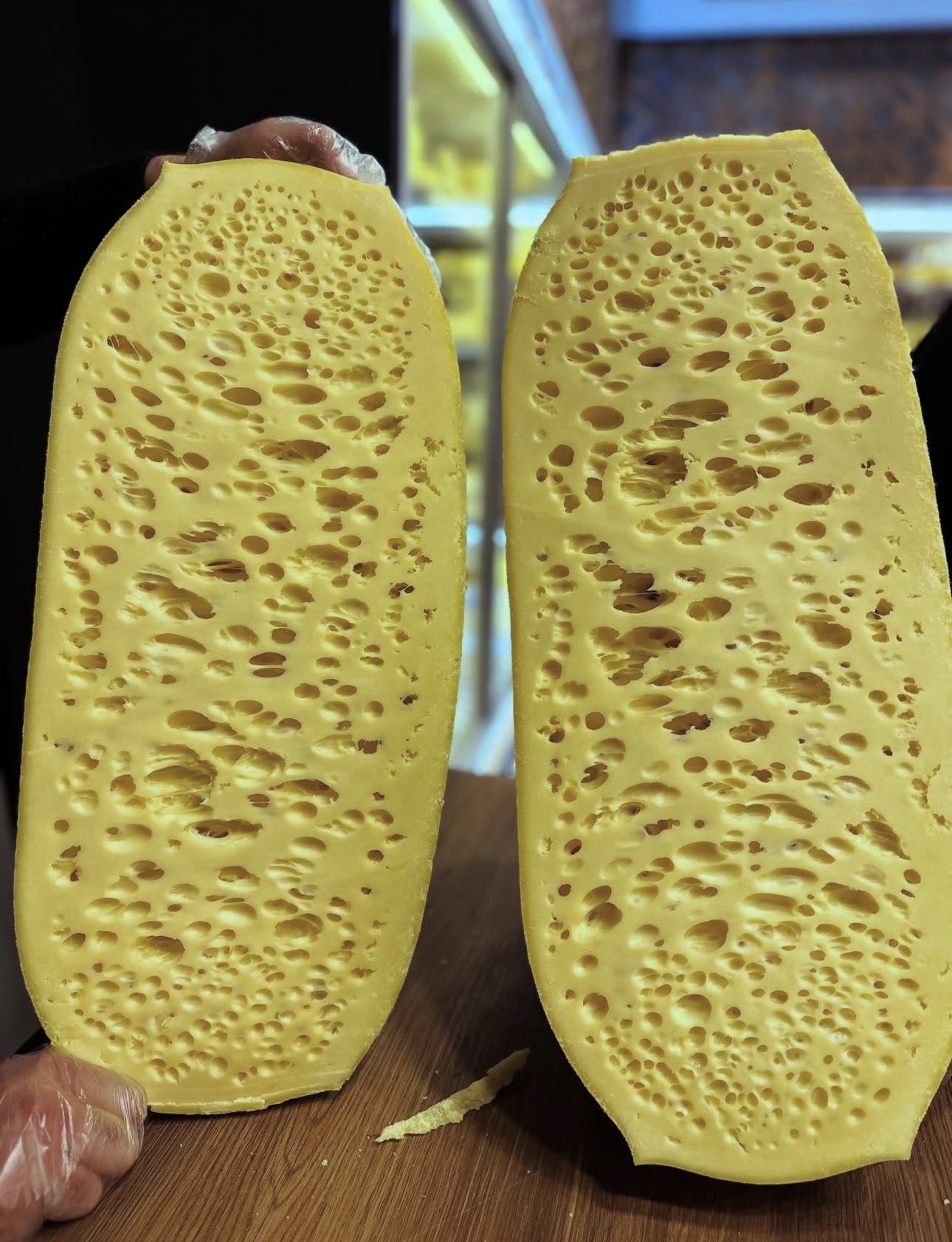
In Boğatepe today, milk from the highlands is still processed in copper vats. As the wheels mature for six months to a year, those small, round eyes form inside them, and the cheese develops its slightly sweet, hazelnut-like flavour. The name Kars Gravyer Peyniri was registered as a geographical indication in 2024. The “gravyer” in its name recalls the cheesemakers who came from the Alps. “Kars” carries the story of the people who took their places at the vats after those cheesemakers had gone.