Where you first enter Istanbul shapes the city you meet. Arrive by sea and the minarets and the skyline of the historic peninsula come first. Arrive by air and the sheer size of the place is clear before the wheels touch the runway. For several decades there was a third way in.
A train left Paris, crossed the capitals of central Europe, followed the Danube basin through the Balkans and pulled into Sirkeci. Waiting outside were the ports, mosques, hotels, arcades and crowded streets of an imperial capital.
The train was the Orient Express.
It became much more than a means of transport, and it made Istanbul one of the great destinations in the history of modern travel.
1883: it began in Paris
In the second half of the nineteenth century, railways were redrawing Europe. Journeys that had taken days, sometimes weeks, were shrinking, and with them the distances people carried in their heads.
The Belgian entrepreneur Georges Nagelmackers wanted to bring the comfort of the best hotels of the day on board: sleeping cars, carefully prepared meals and an international network on which passengers could cover long distances at ease.
The departure from the Gare de l’Est in Paris on 4 October 1883 was the decisive step.
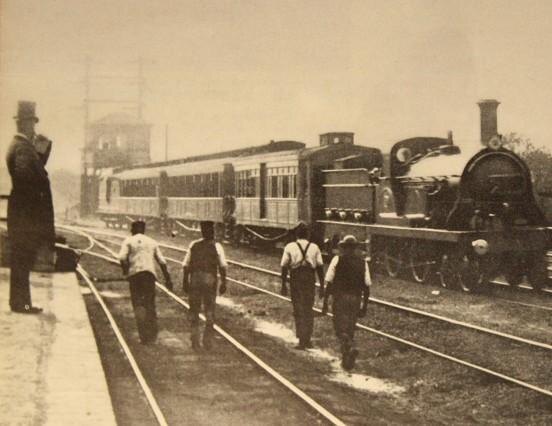
In the early years, reaching Istanbul was not simple. Passengers crossed the Danube from Romania, continued by train to the Bulgarian port of Varna and completed the last stretch by steamer across the Black Sea.
In 1889 a direct rail link opened, and the journey between Paris and Istanbul entered a new era.
Istanbul was no longer a remote possibility on Europe’s railway map. It was a place you could buy a ticket to.
Europe inside a train
The appeal of the Orient Express did not lie only in the cities it reached. The journey itself was the point.
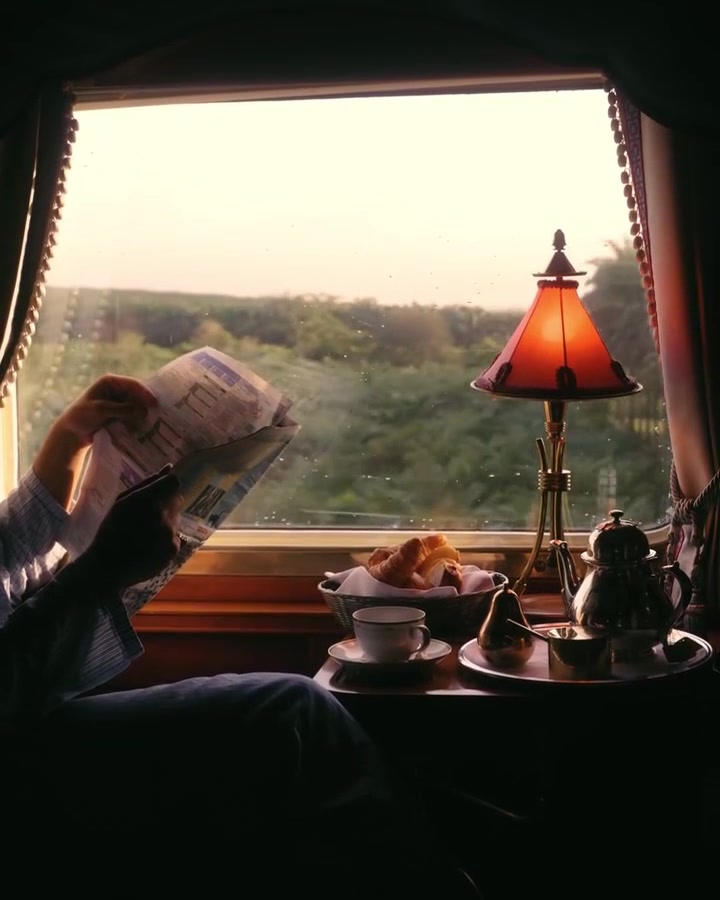
Carriages with inlaid wood, dining tables under white linen, silver service and private sleeping compartments gave rail travel a new aesthetic.
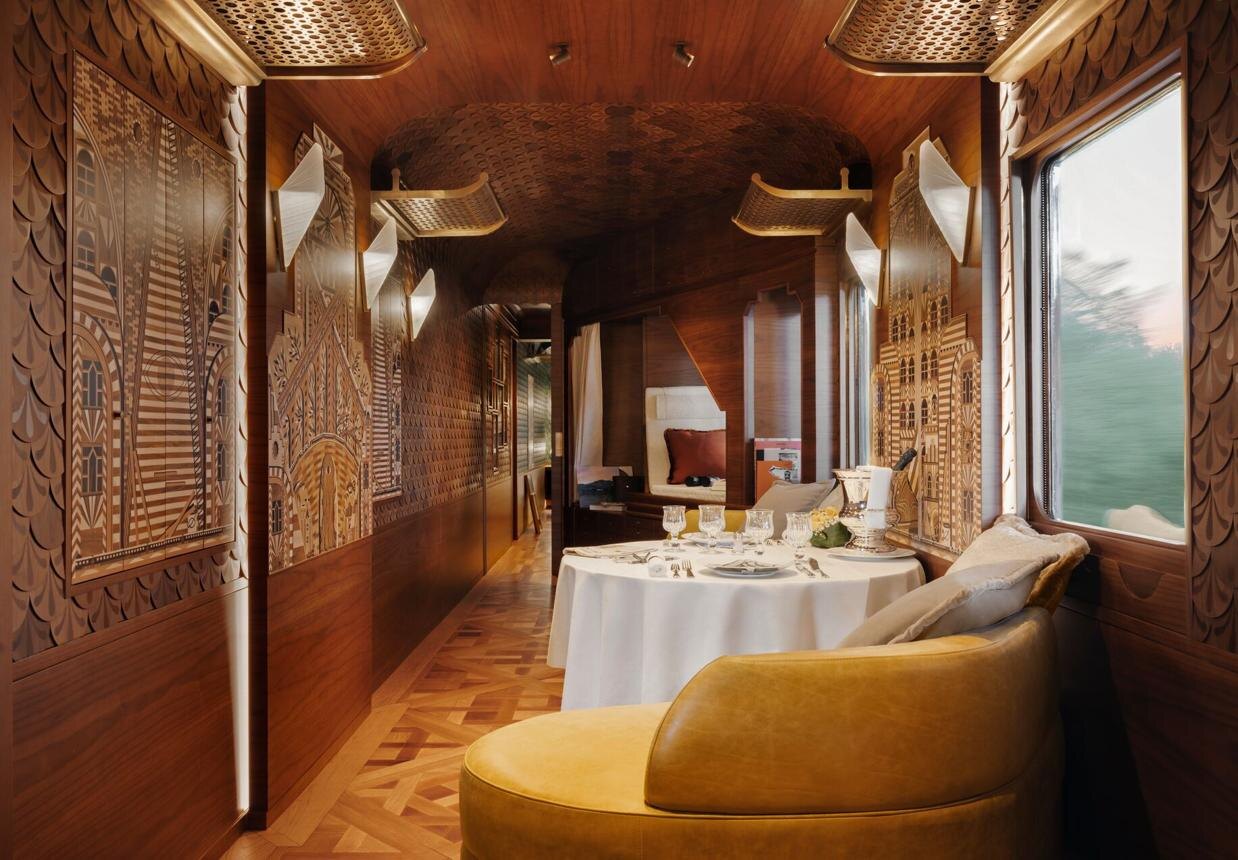
Its passengers included diplomats, businesspeople, aristocrats, artists and writers. Borders were crossed, languages changed at each frontier, and people from very different circles found themselves at the same table in the dining car.
The route was never entirely fixed. Wars, new borders and new lines kept changing the way the train went.
From 1919 the Simplon Orient Express offered another way to the Balkans, through Switzerland and Italy.
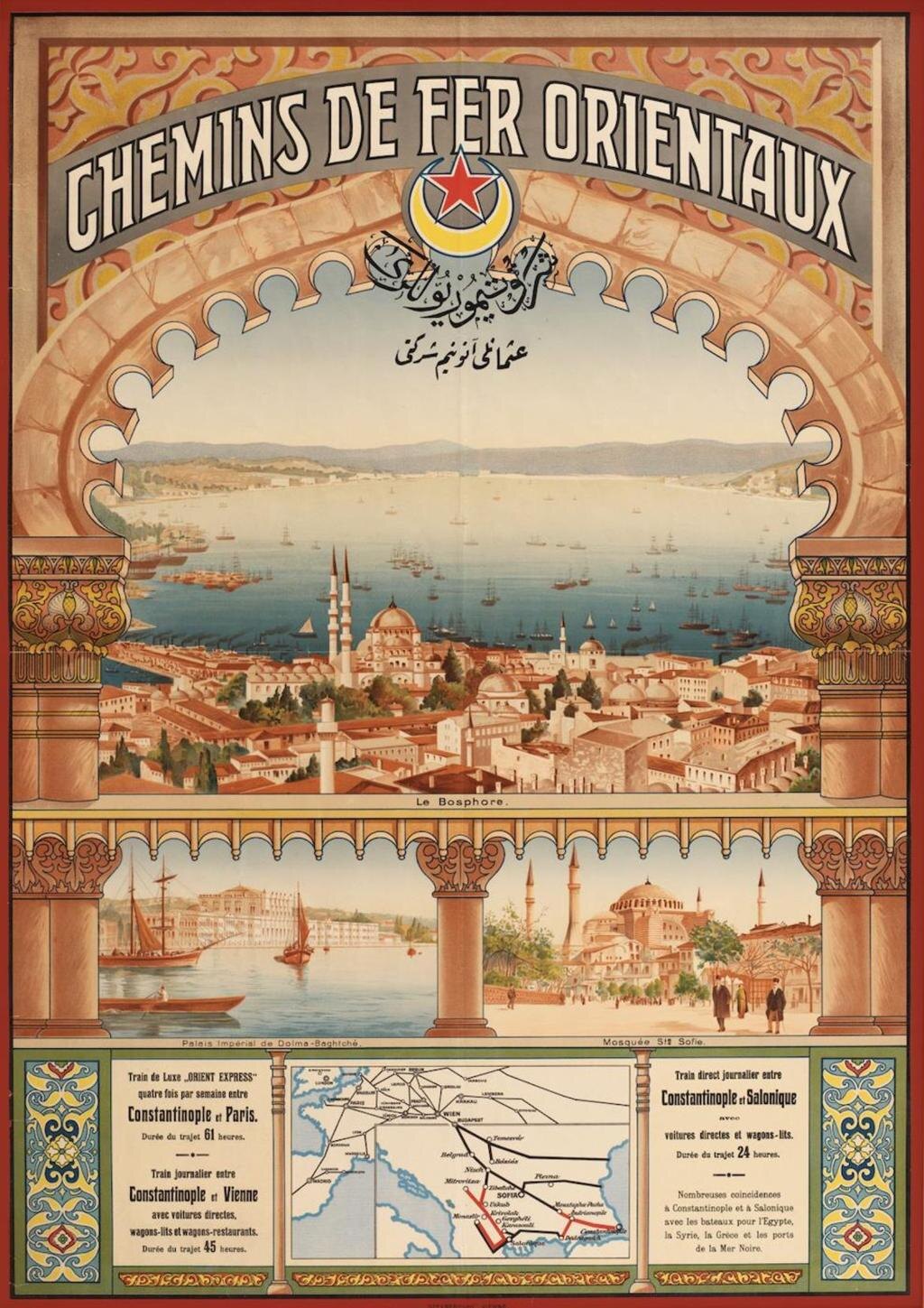
Follow the changes to its timetable and you are, in effect, reading a history of modern Europe.
Sirkeci: Istanbul’s door to Europe
Walking past Sirkeci station today, it is easy to forget that it was once the last stop of one of Europe’s most prestigious train journeys.
Opened in 1890 to a design by the German architect August Jasmund, the station is one of the most striking transport buildings of the late Ottoman period.
With its banded stonework, stained-glass windows and detailed façade, the building brings European railway architecture together with the Ottoman taste of its time.
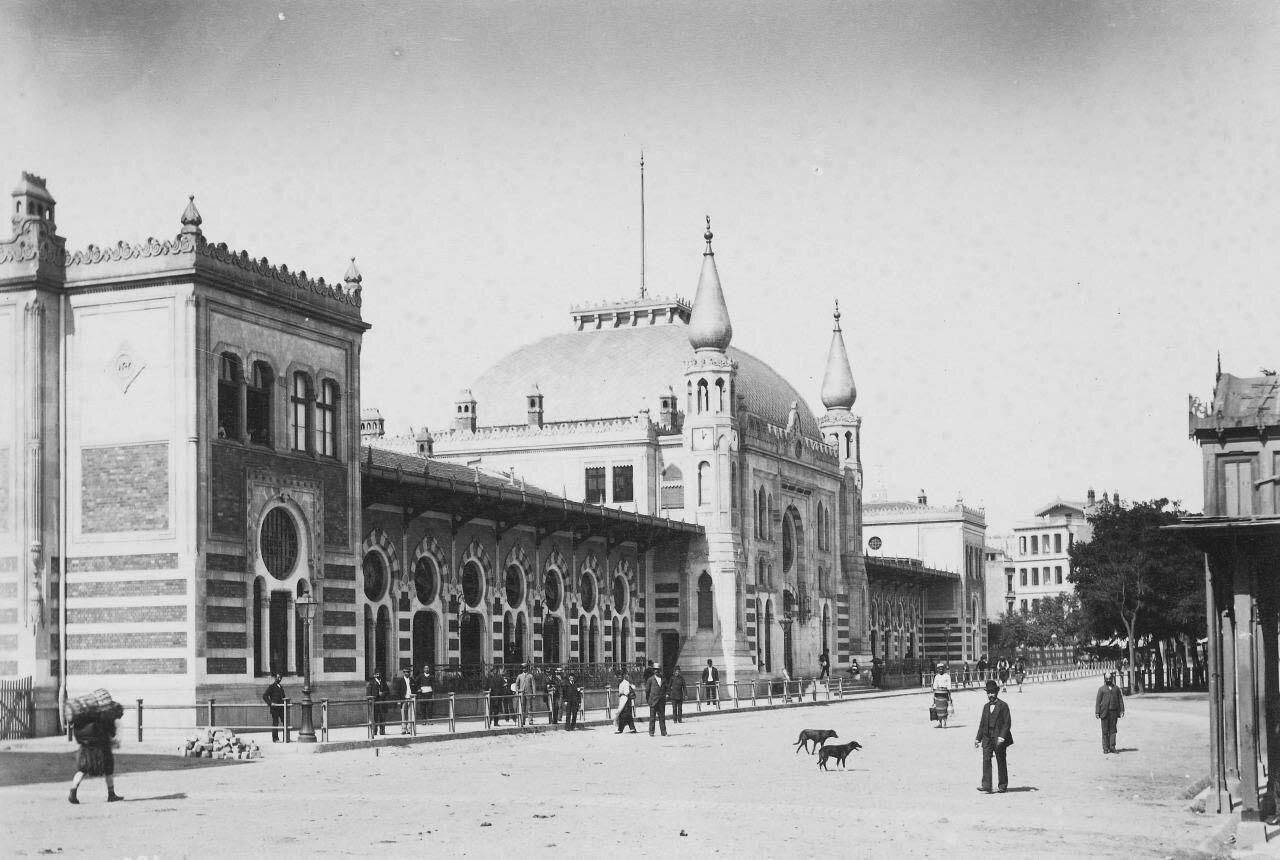
Sirkeci was a threshold, built to receive Istanbul’s foreign travellers.
Just outside lay the trade of Eminönü, the harbour and the ferries. Across the Golden Horn was the international Istanbul of the day: Galata and Pera, the embassies, the theatres and the grand hotels.
The train journey ended at Sirkeci. The journey into Istanbul started there.
Pera Palace: where the journey continued
The story of the Orient Express in Istanbul is incomplete without the Pera Palace in Beyoğlu.
Built to meet the expectations of the international travellers arriving in the city at the end of the nineteenth century, the hotel opened in 1895.
Its architect, Alexandre Vallaury, brought European ideas of what a hotel should be into conversation with the architecture of Istanbul.
The historic lift, the marble staircases, the high ceilings and the Kubbeli Salon, the domed hall, still carry the marks of the years when travel itself was changing.
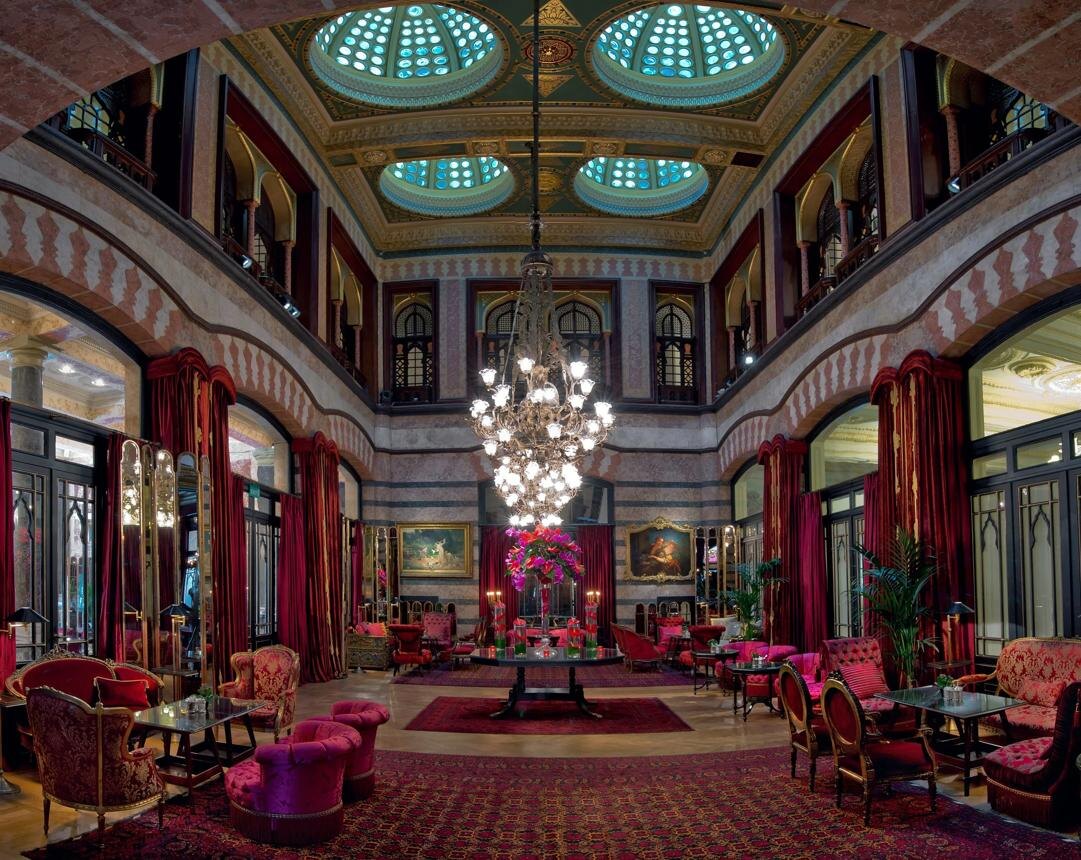
But the Pera Palace matters for more than its architecture. It witnessed the last years of the Ottoman Empire, the founding years of the Republic and the great social changes Istanbul went through.
Room 101, where Mustafa Kemal Atatürk stayed, is one of the most important parts of that memory.
Room 411 belongs to another story, and to one of the best-known crime writers in literary history.
Agatha Christie and room 411
Agatha Christie’s relationship with the Orient Express was not confined to her novels. She first took the train in 1928 and used it again on later journeys to the Middle East.
Murder on the Orient Express, published in 1934, fixed the train’s fame in literature.
Hercule Poirot arrives in Istanbul from Aleppo and boards the Simplon Orient Express heading west. Carriages stranded in snow, passengers who do not quite know one another and a murder in a closed space make up one of the most memorable set-ups in crime fiction.
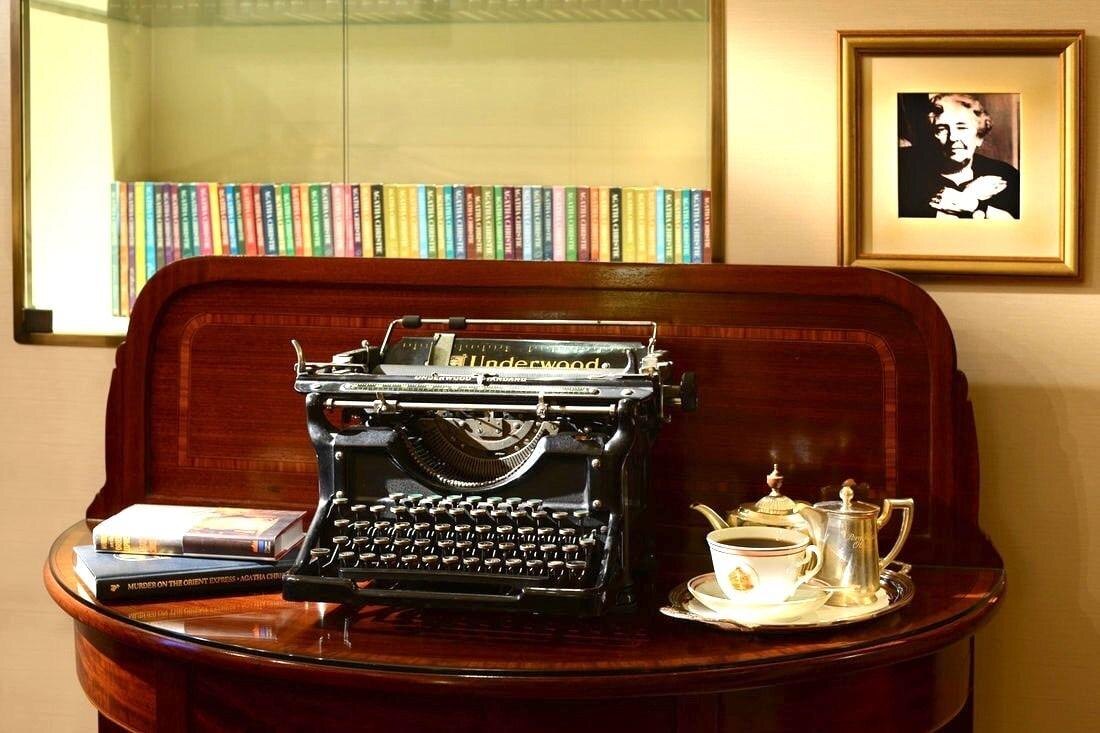
For many years it has been said that the novel was written in room 411 of the Pera Palace. This is not a documented fact; the Christie estate thinks it more likely that the story was drafted on an archaeological dig in Iraq. Still, her ties to Istanbul and to the train explain why the story has lasted.
Christie was not the only writer to put the train and the city into fiction. Graham Greene’s Stamboul Train of 1932 used the railway to capture the political and social mood of Europe between the wars.
The same train became a different Europe in each writer’s hands.
From Europe to Asia: the other shore
On Orient Express maps, Istanbul is usually the end of the line. For travellers going further east, it was a place to change.
A passenger leaving Sirkeci could cross the Bosphorus by ferry to Haydarpaşa station and continue from there into Anatolia and on to the railways further east.
Istanbul’s two historic stations are best understood as a pair.
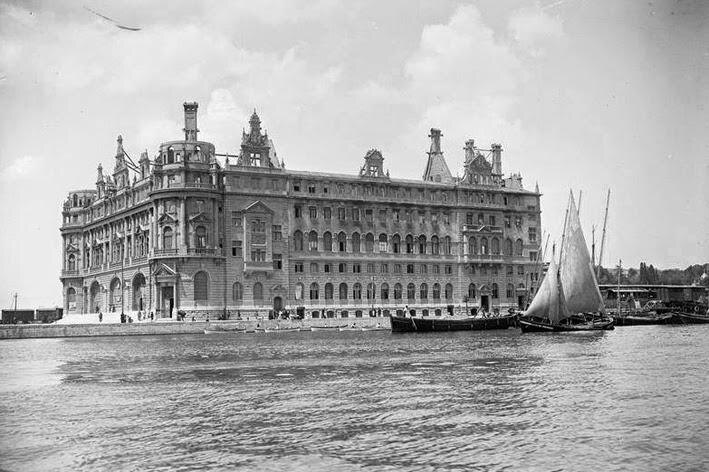
Sirkeci opened onto the railways of Europe; Haydarpaşa onto Anatolia and Asia. The stretch of water between them made Istanbul’s unusual place in the history of travel visible.
An ordinary ferry from Eminönü to Kadıköy is still enough to understand that geography.
Does the Orient Express still run?
It helps to separate the historic train from the luxury trains that keep its tradition alive today.
The classic direct service between Paris and Istanbul ended in 1977. A different European service carrying the Orient Express name survived until 2009.
The Venice Simplon-Orient-Express, revived in 1982, is operated today by Belmond.
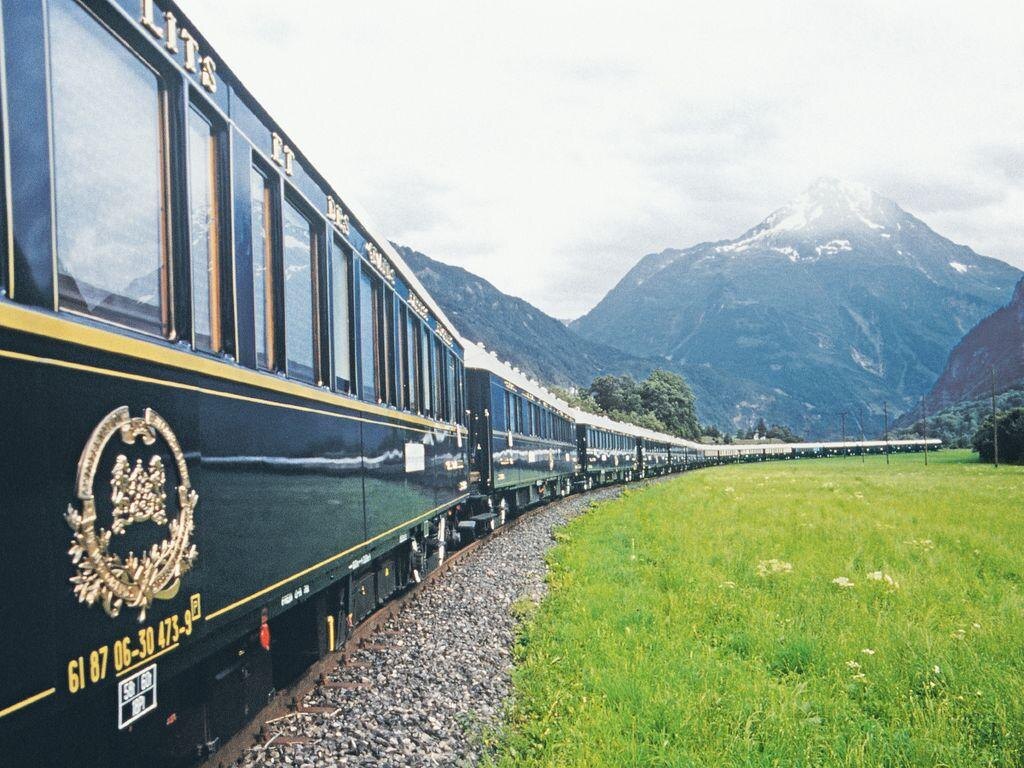
The train runs restored carriages from the 1920s, 1930s and 1940s between European cities, and one of its rarest routes still links Paris and Istanbul.
The five-night journey, with stops in Budapest and Bucharest, pairs the look of historic rail travel with contemporary luxury.
It comes at a very high price. You do not need a ticket, though, to find what the Orient Express left behind in Istanbul.
A day in Istanbul on the trail of the Orient Express
Start at Sirkeci.
Take time over the façade, the stained glass and the railway architecture. If it is open, see the railway museum inside the historic station.
Walk on to Eminönü and cross the Golden Horn on the Galata Bridge. Watch the city change from one end of the bridge to the other, in its trade and in its buildings.
From Karaköy, the historic Tünel funicular climbs to Beyoğlu. The old trading houses of Galata, the arcades of İstiklal Caddesi and the large apartment blocks of Pera are the parts of the Orient Express travellers’ Istanbul that survive.
The Pera Palace is the stop that ties the day together. A coffee or a tea in the Kubbeli Salon is the simplest way to spend time inside the historic building.
To end the day, go back down to Karaköy and take the ferry to Kadıköy. Look back at the historic peninsula from the water and find the outline of Haydarpaşa station.
You will have covered a short stretch of the route that intercontinental travellers once followed.
- Sirkeci StationThe façade, the stained glass and, when it is open, the railway museum.
- EminönüThe harbour and the market streets at the foot of the Galata Bridge.
- KaraköyAcross the Golden Horn on the Galata Bridge.
- Tünel, BeyoğluUp the hill on the historic Tünel funicular, open since 1875.
- Pera PalaceCoffee or tea in the Kubbeli Salon.
- Karaköy pierBack down the hill for the Kadıköy ferry.
- KadıköyHaydarpaşa station comes into view as the ferry turns in.
More than a destination
The carriages and cabins are not what keep the Orient Express in conversation.
What made it memorable was the way it joined very different places into a single journey: Paris, Vienna, Budapest, the Balkans and Istanbul, with their architecture, their kitchens, their languages and their landscapes changing along the line.
Today most of those distances are covered in a few hours of flying. The cities, rivers, borders and small stations in between mostly go unseen.
On the Orient Express they were the journey, and the train came into Sirkeci with all of them behind it.
Journeys is a BeingTurkish series that explores Türkiye’s geography, culture and history through the routes that cross it.